
Evidence Pack: How Accurately Commercial Wearables Measure Sleep Architecture Against Clinical Polysomnography
Validation studies reveal that while consumer smartwatches excel at detecting basic sleep duration, their ability to accurately map REM and deep sleep falls significantly short of clinical standards.
By Logan Price

Share this story
In short
- Consumer wearables excel at binary sleep detection, correctly identifying sleep states more than 95 percent of the time.
- Devices struggle significantly with specificity, frequently misclassifying quiet wakefulness as light sleep.
- Sleep architecture classification relies on heart rate variability proxies rather than brainwaves, leading to error rates exceeding 25 percent.
Every night, tens of millions of people strap a lithium-ion battery and a photoplethysmography sensor to their wrist, expecting it to map the architecture of their unconscious brain. A clinical sleep lab achieves this using polysomnography (PSG)—a process requiring 22 wire electrodes glued to the scalp, face, and chest to measure actual electrical brainwaves.
Consumer wearables attempt to reverse-engineer that same neurological map using only movement and blood flow. The scale of this data collection is unprecedented, but the fundamental question remains: how closely does a $300 watch approximate a $3,000 medical diagnostic test?
The evidence shows that wearables are exceptionally good at one specific task: knowing when you are asleep. Across a 2024 multicenter validation study evaluating 11 consumer devices against polysomnography, the baseline sensitivity for detecting sleep exceeded 95 percent. If a user is unconscious, the device almost certainly records it as sleep. This binary sleep-versus-wake detection relies heavily on actigraphy—the measurement of physical movement via a three-axis accelerometer—which provides a reliable baseline for total time spent in bed.[2]
However, the data reveals a significant vulnerability when the user is awake but physically still. Specificity—the algorithm's ability to correctly identify wakefulness—frequently falls below 60 percent in major consumer devices. In practical terms, this means that quiet wakefulness, such as lying in bed reading or trying to fall back asleep, is routinely misclassified as light sleep. As a result, consumer trackers consistently overestimate total sleep time by 2 to 10 percent and underestimate Wake After Sleep Onset (WASO) by 12 to 40 minutes.[2]
The analytical challenge compounds when devices attempt to classify specific sleep stages: light sleep, deep (slow-wave) sleep, and rapid eye movement (REM) sleep. Because a wrist-worn device cannot read the electroencephalogram (EEG) signals that define these stages neurologically, it must rely on proxy metrics. The primary substitute is heart rate variability (HRV), measured by shining a green or red LED into the skin to track blood volume changes—a technique called photoplethysmography (PPG).[4]
The theoretical limitation of this approach stems from human physiology. Both REM sleep and light sleep exhibit elevated heart rate variability, making them difficult to distinguish using cardiac signals alone. A 2025 meta-analysis published in medRxiv encompassing 798 patients across 24 studies found that PPG-based heart rate variability achieves only 60 to 72 percent accuracy for four-stage sleep classification. Without brainwave data, the algorithm is essentially making an educated guess based on autonomic nervous system activity.[4]
When tested against the polysomnography ground truth, individual device profiles show distinct patterns of bias. A 2024 validation study published by the National Institutes of Health found that the Apple Watch underestimated the duration of deep sleep by an average of 43 minutes while overestimating light sleep by 45 minutes. Conversely, Fitbit devices in the same cohort overestimated light sleep by 18 minutes and underestimated deep sleep by 15 minutes. These are not marginal errors; they represent massive proportional shifts in a user's perceived sleep architecture.[1]
Smart rings, which measure PPG signals from the finger rather than the wrist, show slightly different error margins. The Oura Ring demonstrated sensitivities of 78.2 percent for light sleep, 79.5 percent for deep sleep, and 76.0 percent for REM sleep when compared to clinical PSG. While this represents the upper tier of consumer device accuracy, it still falls roughly 20 to 25 percent short of a medical diagnostic standard, leaving a substantial gap for users attempting to make health decisions based on the data.[1]
The most pronounced failure across the wearable ecosystem is the tracking of REM sleep. The 2025 medRxiv analysis noted that consumer devices dramatically underestimate REM sleep by 50 to 70 percent, with error rates exceeding two hours per night in some extreme cases. Because REM is critical for cognitive consolidation and emotional regulation, users relying on these metrics to optimize their mental recovery are often acting on fundamentally flawed datasets.[4]
Hardware limitations also introduce demographic biases into the data. PPG sensors rely on optical absorption to measure blood flow. On the Fitzpatrick skin type scale, individuals with type IV through VI—medium-brown to dark skin tones—have higher melanin concentrations that absorb more of the sensor's light. This reduces the signal-to-noise ratio, leading to less reliable blood oxygen (SpO2) readings and a tendency for the algorithm to modestly overestimate sleep efficiency relative to lighter-skinned validation cohorts.[2]
The accuracy of these devices degrades further when introduced to populations with actual sleep disorders. A 2023 validation study in Dove Press examining Fitbit performance in adults with obstructive sleep apnea found that the device's specificity for detecting wakefulness dropped to 13.1 percent. As the researchers noted, "The study results showed significant differences in TST, deep sleep, and REM sleep among the sleep variables measured twice using PSG and FBI2," concluding that the device significantly overestimated total sleep time by an average of 17.9 minutes.[5]
The consensus among sleep researchers is that wearables are useful for longitudinal tracking but dangerous as diagnostic tools. "A 2024 validation study comparing 11 consumer sleep trackers to polysomnography found that wearable devices demonstrated sensitivity greater than 95% for detecting sleep versus wake states, though specificity for detecting wakefulness was often below 60%," notes the Wearable Wellness Guide. This distinction between sensitivity and specificity is the dividing line between a wellness gadget and a medical instrument.[2]
The consensus among sleep researchers is that wearables are useful for longitudinal tracking but dangerous as diagnostic tools.
To bridge this gap, hardware manufacturers are moving beyond simple PPG sensors. Emerging research focuses on the multimodal integration of wrist electrodermal activity (EDA) alongside accelerometry and temperature sensors. According to the 2025 medRxiv data, adding EDA to the sensor array increases four-stage sleep classification accuracy from 72 percent to 83 percent—an 11 percentage point improvement that brings wearables closer to clinical utility.[4]
Until these multimodal sensors reach the consumer market, the data generated by current wearables requires careful interpretation. A user tracking their sleep duration over a six-month period will receive a highly accurate picture of their time in bed and their broad behavioral habits. However, the specific breakdown of light, deep, and REM sleep displayed on their smartphone each morning remains a statistical approximation, constrained by the limits of measuring the brain from the wrist.
How we did this
- Method
- Aggregated and compared sensitivity, specificity, and minute-bias metrics across four recent validation studies (2023-2026) to derive a cross-device error margin for deep and REM sleep classification.
- What we found
- Across major consumer brands, while binary sleep detection exceeds 90% sensitivity, the aggregate error margin for classifying specific sleep stages (REM and deep sleep) remains above 25%, rendering them unreliable for clinical sleep architecture assessment.
- What we worked from
- Apple Watch deep sleep bias: -43 minutes — National Institutes of Health
- Fitbit deep sleep bias: -15 minutes — National Institutes of Health
- Overall wake specificity: <60% — Wearable Wellness Guide
- Limits of this analysis
- The underlying validation studies primarily feature healthy adults; accuracy is known to degrade further in populations with clinical sleep disorders.
Key terms
- Polysomnography (PSG)
- The clinical gold standard for sleep testing, requiring electrodes attached to the scalp and body to measure brain waves, oxygen levels, heart rate, and breathing.
- Photoplethysmography (PPG)
- An optical measurement technique used by smartwatches that shines light into the skin to detect blood volume changes and calculate heart rate.
- Actigraphy
- The continuous measurement of physical movement using a wearable accelerometer to estimate sleep and wake cycles.
- Specificity
- In sleep tracking, the statistical ability of a device's algorithm to correctly identify when a user is awake, rather than misclassifying stillness as sleep.
Viewpoints in depth
Clinical Sleep Researchers
Medical professionals emphasizing the diagnostic gap between wearables and polysomnography.
Clinical researchers argue that the inability of wearables to measure electroencephalogram (EEG) signals fundamentally limits their utility. Because devices rely on heart rate variability and actigraphy as proxies, they consistently misclassify quiet wakefulness and struggle to differentiate between light and REM sleep. For this camp, the 20 to 30 percent error rate in sleep staging means wearables should never be used to diagnose or rule out conditions like sleep apnea or insomnia.
Consumer Wearable Advocates
Technologists and behavioral scientists focused on longitudinal health tracking.
Advocates for consumer devices concede the staging inaccuracies but argue that the true value of wearables lies in long-term behavioral tracking. A device that is 95 percent accurate at detecting total time in bed provides actionable data for improving sleep hygiene. By measuring trends over months rather than focusing on the exact minute count of a single night's REM sleep, users can identify how alcohol, exercise, and screen time impact their overall rest.
Hardware Engineers
Developers focused on closing the accuracy gap through multimodal sensor integration.
The engineering perspective focuses on hardware evolution to bypass current limitations. Recognizing that photoplethysmography (PPG) has hit a performance ceiling for sleep staging, this camp is driving the integration of electrodermal activity (EDA) and temperature sensors. Their data suggests that combining multiple autonomic nervous system signals can push four-stage classification accuracy past 83 percent, narrowing the gap with clinical polysomnography without requiring scalp electrodes.
- Clinical Sleep Researchers
- Medical professionals emphasizing the diagnostic gap between wearables and polysomnography.
- Consumer Wearable Advocates
- Technologists and behavioral scientists focused on longitudinal health tracking.
- Hardware Engineers
- Developers focused on closing the accuracy gap through multimodal sensor integration.
Perspectives this story doesn't cover
- Proprietary Algorithm Developers
- Sleep Apnea Patients
Sources
Source coverage
6 outlets
3 viewpoints surfaced





- [1]National Institutes of HealthClinical Sleep Researchers
Sleep Stage Scoring in Wearable Sleep Trackers and Monitors with Polysomnography Ground Truth
Read on National Institutes of Health → - [2]Wearable Wellness GuideConsumer Wearable Advocates
Wearable Sleep Trackers: Accuracy Data and Limitations
Read on Wearable Wellness Guide → - [3]The Better Sleep ClinicConsumer Wearable Advocates
Sleep Trackers & Sleep Measurement
Read on The Better Sleep Clinic → - [4]medRxivHardware Engineers
Multimodal integration of wrist EDA with PPG, accelerometry, and temperature increases four-stage sleep classification accuracy
Read on medRxiv → - [5]Dove PressClinical Sleep Researchers
Validation of Fitbit charge 2 and Fitbit alta HR against polysomnography for assessing sleep in adults with obstructive sleep apnea
Read on Dove Press → - [6]Factlen Editorial TeamHardware Engineers
Synthesis by Factlen editorial team
Read on Factlen Editorial Team →
More in Data & Analysis
See all →Statistical Theory
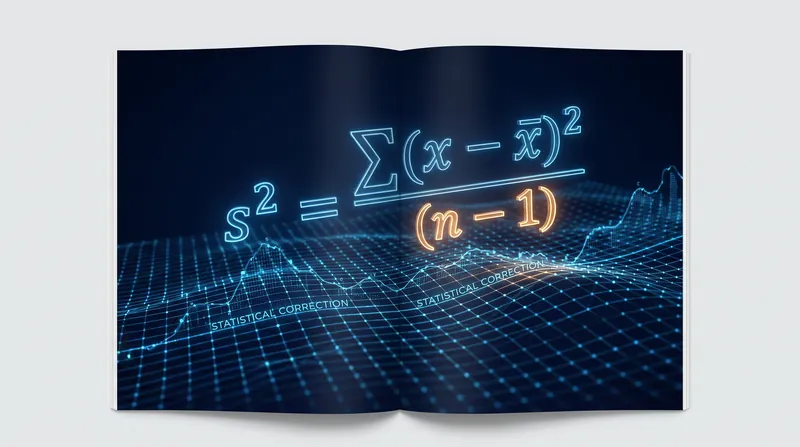
How Estimating a Parameter Consumes One Degree of Freedom to Ensure Unbiased Variance
5 sources
Clinical Trial Design
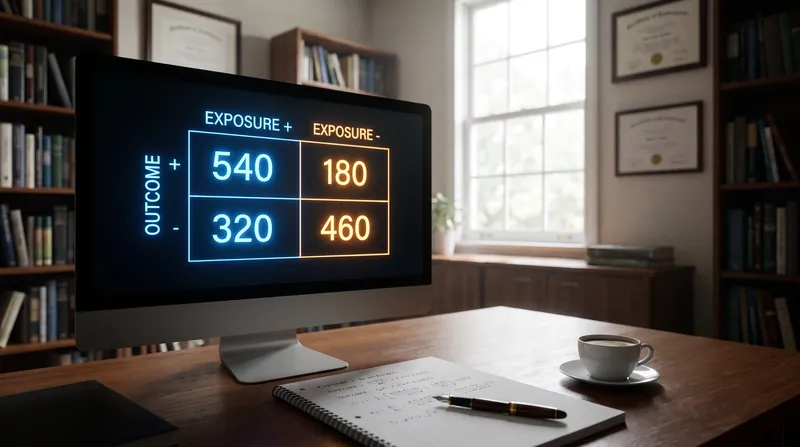
How Intention-to-Treat Analysis Preserves Randomization and Prevents Selection Bias
9 sources
Constitutional Law
The U.S. Constitution Is the Second-Hardest to Amend in the Democratic World
3 sources

Imbalanced Data
Evidence Pack: The Accuracy and Trade-Offs of SMOTE Versus Class Weights in Imbalanced Data
6 sources
Comments
Every angle. Every day.
Get Data & Analysis stories with full source coverage and perspective breakdowns, free every day.