
18 Suspects in Jovenel Moïse Assassination Extradited to US to Face Trial
Eighteen suspects, including 17 former Colombian soldiers, have been transferred from Haiti to Florida to face federal charges for the 2021 killing of the Haitian president. The extradition marks a major shift in the stalled investigation, bringing the total number of individuals indicted in US courts to 30.
- US Justice System Advocates
- Argue that federal courts are the only viable venue to secure convictions and dismantle the plot's financial networks.
- Haitian Sovereignty Advocates
- View the extradition as a painful admission of state failure that strips Haiti of jurisdiction over a national tragedy.
- Defendants' Representatives
- Claim the former soldiers were deceived about the operation and denied due process during their prolonged detention in Haiti.
Perspectives this story doesn't cover
- The current Haitian transitional government
- Haitian citizens residing in Port-au-Prince
For US federal prosecutors, the arrival of 18 suspects in Florida on Sunday represents the necessary culmination of a five-year effort to secure accountability for the assassination of Haitian President Jovenel Moïse. For Haitian civil society advocates, however, the sight of a US military aircraft transporting the defendants out of Port-au-Prince stands as a stark admission of state failure, permanently stripping the Caribbean nation of jurisdiction over its own national tragedy. The extradition transfers the remaining core of the conspiracy—including 17 former Colombian soldiers and a former Haitian anti-corruption official—into the American judicial system.[3][4]
The group will face federal charges in the Southern District of Florida, effectively ending a domestic judicial process that had been paralyzed by institutional collapse. Joseph Felix Badio, a former official at Haiti's Ministry of Justice whom defense attorneys have characterized as a central architect of the plot, is among those transferred. Badio had evaded capture for more than two years before his arrest in October 2023.[4][5]
US Attorney Jason Reding Quiñones announced the transfer, stating that the operation marks the "next major phase in our pursuit of accountability." Quiñones confirmed that 30 people have now been indicted in connection with the July 2021 killing, emphasizing that federal prosecutors "will follow the evidence wherever it leads, to those who financed it, facilitated it, supported it or committed crimes to make it possible."[4][5]
The Federal Bureau of Investigation coordinated the transfer alongside international partners. FBI Special Agent in Charge Brett Skiles noted that the operation involved multiple arrests both in the US and abroad on Sunday, demonstrating a commitment to ensuring that "all individuals who allegedly sought profit from the assassination of a head of state are held fully accountable."[1][4]
The extradition builds on a series of successful federal prosecutions in Florida, where authorities claim the plot was largely financed and organized. In May 2026, a federal jury in Miami convicted four men—Arcángel Pretel Ortiz, Antonio Intriago, Walter Veintemilla, and James Solages—of conspiring to kill or kidnap the Haitian leader and providing material support for the operation.[3][4]
The extradition builds on a series of successful federal prosecutions in Florida, where authorities claim the plot was largely financed and organized.
Those four defendants, who were linked to a Florida-based private security firm called CTU Security, face potential life sentences. According to federal prosecutors, the conspirators were lured into the plot by the prospect of securing lucrative infrastructure and security contracts following Moïse's removal from office. At least five other co-conspirators have already pleaded guilty and are currently serving life sentences in US federal prisons.[1][3]
The decision to move the remaining suspects to Florida highlights the near-total collapse of the Haitian judicial system's ability to handle the case. Since the 53-year-old president was shot 12 times in his private residence, the domestic investigation has faced repeated, severe disruptions.[2][5]
Multiple Haitian judges assigned to the inquiry have resigned after receiving death threats, and armed gangs have physically seized control of the downtown Port-au-Prince courthouse where interrogations were meant to take place. In October 2025, Haitian justice officials formally requested assistance from the US and Canada after a local court of appeals ordered a new investigation, acknowledging their inability to proceed safely.[4][5]
While US authorities view the extradition as a necessary step to bypass that institutional paralysis, Haitian civil rights groups have expressed deep frustration over the loss of jurisdiction. Pierre Espérance, executive director of the National Human Rights Defense Network, characterized the transfer of the 18 suspects as a "disgrace for the Haitian justice system," arguing that the country must implement comprehensive reforms to try its own complex cases rather than outsourcing justice.[3]
The Colombian government, which has monitored the detention of its citizens in Haiti since 2021, confirmed the transfer. Colombia's Ministry of Foreign Affairs released a statement indicating it did not intervene in the extradition decision, noting that the matter falls under the jurisdiction of the involved authorities. Relatives of the Colombian soldiers have previously stated that the men were deceived about the nature of the operation and subjected to abuse while detained in Port-au-Prince.[1][5]
The trial in the Southern District of Florida will now consolidate the majority of the remaining defendants. The proceedings are expected to detail the exact financial and logistical networks that moved weapons, personnel, and money between South Florida and Port-au-Prince in the months leading up to the July 2021 attack.[3][4]
Key points
- Eighteen suspects were flown from Port-au-Prince to Florida on a US military aircraft to face federal charges.
- The group includes 17 former Colombian soldiers and a former Haitian anti-corruption official.
- US authorities have now indicted 30 individuals in connection with the July 2021 assassination.
- Four men were convicted in Miami in May 2026, while five others are serving life sentences.
- Haitian human rights advocates criticized the extradition as a failure of the country's domestic justice system.
Viewpoints in depth
US Federal Prosecutors
US authorities argue that federal courts are the only viable venue to secure convictions.
Federal prosecutors maintain that because the plot was largely financed and organized in South Florida, the US holds clear jurisdiction. With the Haitian judiciary paralyzed by gang violence and intimidation, US officials view extradition as the only practical mechanism to hold the conspirators accountable and dismantle the financial networks that funded the operation.
Haitian Civil Society
Local advocates view the extradition as a painful admission of state failure.
Organizations like the National Human Rights Defense Network argue that outsourcing the trial strips Haiti of its sovereignty over a national tragedy. They contend that relying on US courts removes the pressure to reform and protect Haiti's own judicial institutions, leaving the country unable to prosecute high-level crimes domestically.
Colombian Defendants' Families
Relatives of the former soldiers claim the men were deceived and denied due process.
Families of the Colombian nationals have consistently argued that the men were hired for legitimate security work and were unaware of the assassination plot. They have spent years protesting the suspects' prolonged pretrial detention in Haiti, citing severe human rights abuses, forced confessions, and a lack of access to legal representation.
Why this matters
The transfer shifts the pursuit of justice for a head of state's murder entirely to US courts, bypassing a Haitian legal system paralyzed by gang violence and institutional collapse.
Sources
Source coverage
5 outlets
3 viewpoints surfaced





- [1]South China Morning PostUS Justice System Advocates
18 suspects in 2021 Haiti president's killing sent to US for trial
Read on South China Morning Post → - [2]N+ Univision MundoDefendants' Representatives
A cinco años del crimen: EEUU recibe la extradición de 18 sospechosos por el asesinato de Jovenel Moïse
Read on N+ Univision Mundo → - [3]Capital FMHaitian Sovereignty Advocates
18 Suspects in Jovenel Moise Killing Extradited to US to Face Trial
Read on Capital FM → - [4]CBS NewsUS Justice System Advocates
18 suspects in killing of Haiti's president being extradited to Florida for trial
Read on CBS News → - [5]Associated PressHaitian Sovereignty Advocates
18 suspects accused in the July 2021 killing of Haiti's president being extradited from Haiti to US
Read on Associated Press →
Comments

More in World
See all →South China Sea
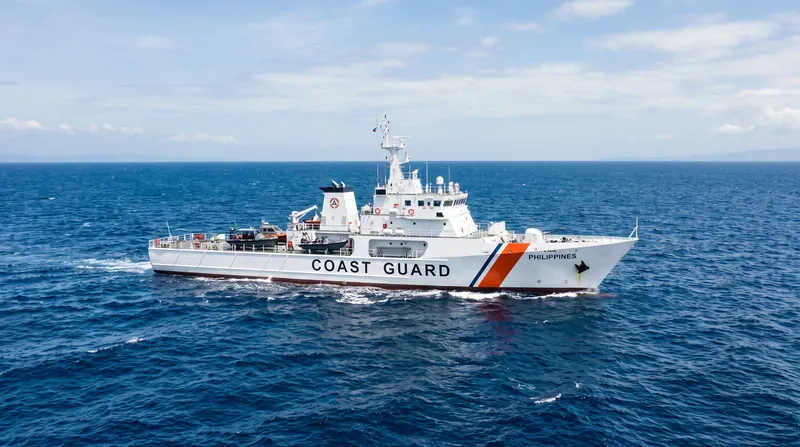
Chinese Coast Guard Rams Philippine Fisheries Vessel Near Sabina Shoal
7 sources
AI Policy
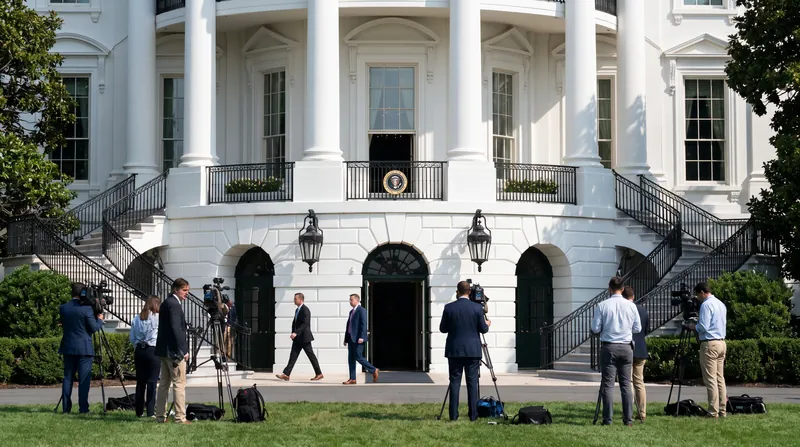
Trump Announces 'AI Force' and New AI Czar to Accelerate Development
5 sources
International Law
The Fourth Geneva Convention and the 'Market Regulation' Doctrine: How the Legal Status of West Bank Settlements is Defined
9 sources

Isaac Accords
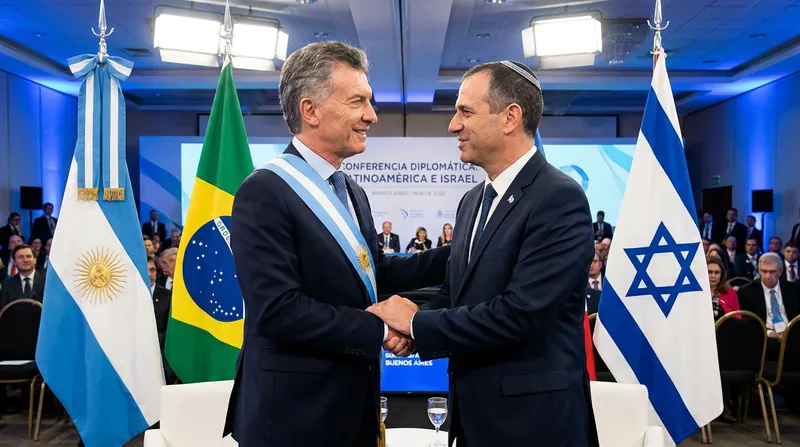
Latin American Legislators Back 'Isaac Accords' and Jerusalem Embassy Moves in Major Diplomatic Shift
5 sources
Every angle. Every day.
Get World stories with full source coverage and perspective breakdowns delivered to your inbox.