full timeline
Voter citizenship verification controversy
Follow Voter citizenship verification controversy in the Factlen app and get an alert when there is news. Get the app
Share this story
Latest
By 16:36 UTC on October 24, the U.S. Justice Department had directed county election officials across California to segregate mail-in ballots cast by individuals the federal government suspects are noncitizens. The directives, issued on October 23, gave local registrars a 48-hour deadline to sequester the questioned ballots and provide identifying information to federal authorities. Federal prosecutors warned that election workers who knowingly process ballots from noncitizens could face criminal liability.
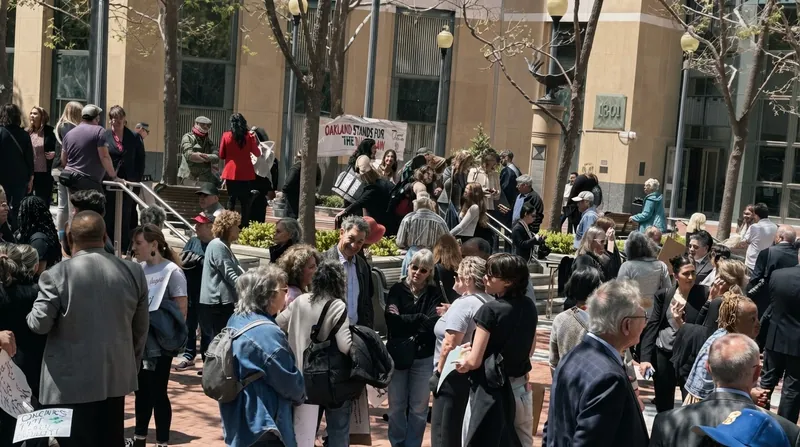
This action escalates an ongoing legal dispute between the Trump administration and California over a federal list of approximately 20,000 suspected ineligible voters, which state officials have criticized as unreliable. Earlier, by 01:36 UTC on October 20, federal agents had arrested 11 foreign nationals in California on charges of illegally registering and voting in federal elections. The Justice Department charged a total of 28 lawful permanent residents in the state with election offenses.
State officials condemned the arrests as voter intimidation, noting the charges represent a tiny fraction of California's 23 million registered voters. The sweep compounds the existing legal battle over the administration's attempt to block the 20,000 mail-in ballots ahead of the midterm elections.
How the story developed
The controversy began by 00:20 UTC on July 28 when President Trump claimed a Department of Homeland Security review found 278,000 non-citizens registered to vote in four states. Fact-checkers and state officials stated the number is a speculative ceiling based on flawed database matching, noting that the Systematic Alien Verification for Entitlements (SAVE) database frequently flags naturalized U.S. citizens because it tracks historical immigration status. While a software glitch in New Jersey accidentally registered 6,600 non-citizens, resulting in fewer than 400 casting ballots, experts maintain that non-citizen voting remains exceedingly rare. Proponents used the DHS figures to push the SAVE America Act, which requires proof of citizenship to vote, while voting rights advocates warned the proposed law could disenfranchise legal citizens who lack immediate access to passports or birth certificates.
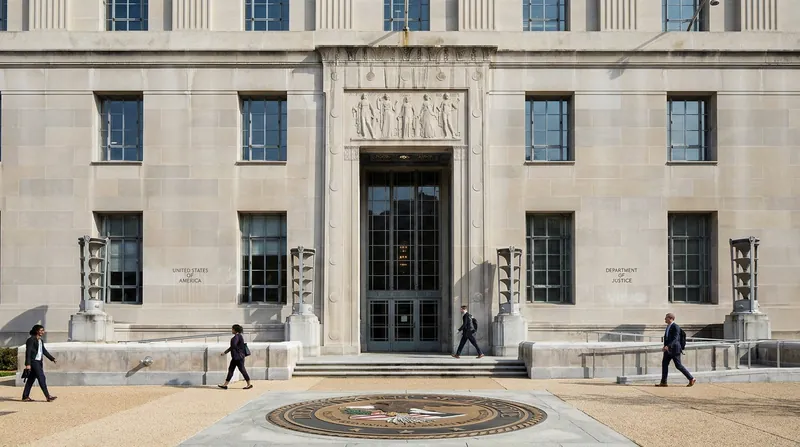
By 09:20 UTC on August 24, the Justice Department had sued 29 states and Washington, D.C., demanding unredacted voter registration lists containing sensitive personal information such as partial Social Security numbers and driver's license numbers. The Justice Department argued the data was necessary to enforce federal election laws and ensure accurate voter rolls. State officials from both parties refused to comply, citing state privacy laws and federal overreach, and federal courts repeatedly dismissed the lawsuits, ruling the federal government lacked the authority to demand the unredacted data.
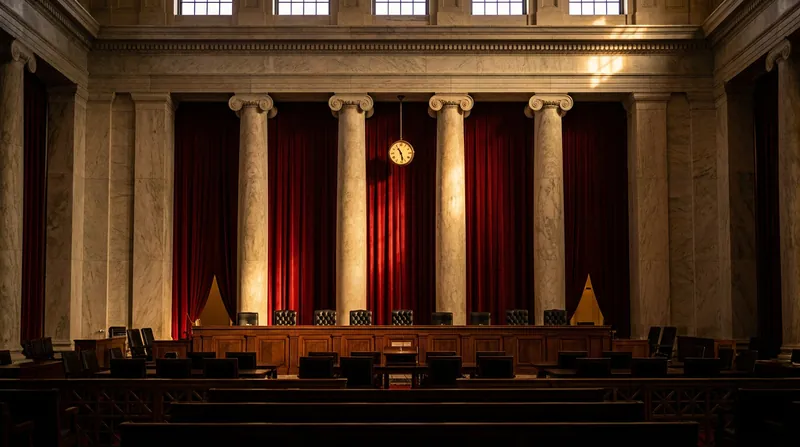
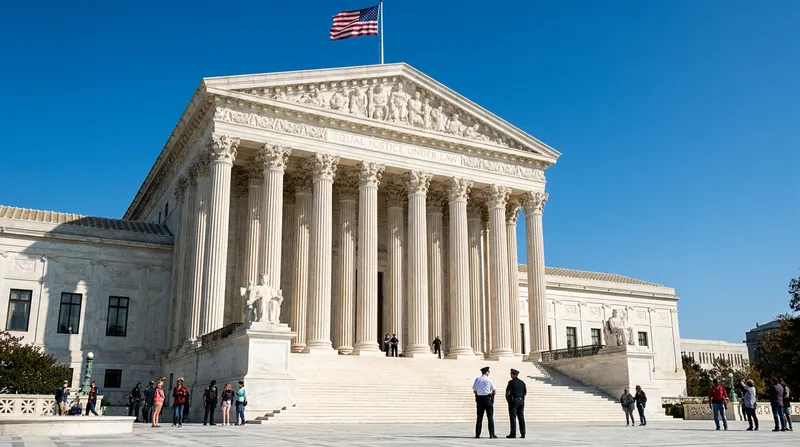
Following the lower court blocks over privacy and data-sharing violations, the Trump administration filed an emergency appeal to the Supreme Court by 17:21 UTC on September 8 to reinstate modifications to the SAVE database. The modified system pools Social Security and immigration records to permit bulk searches of state voter rolls. By 17:56 UTC on September 25, the Supreme Court ruled 6-3 to grant the emergency request, pausing the lower court order and allowing the administration to use the expanded database for voter citizenship checks ahead of the midterm elections. Justice Ketanji Brown Jackson dissented, arguing the system risks disenfranchising lawful voters.
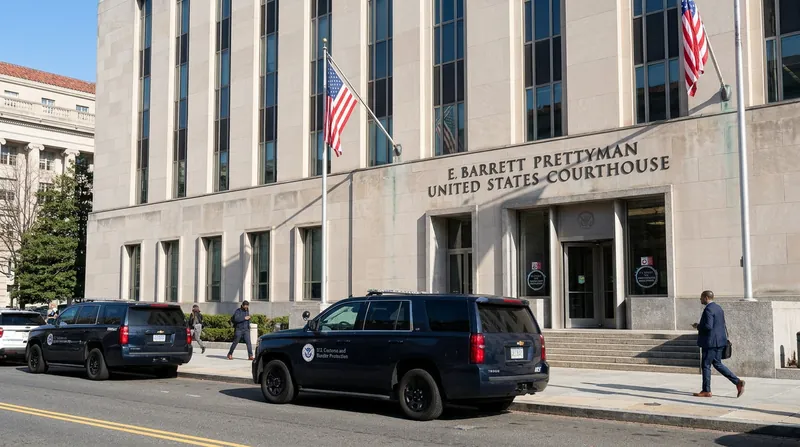
Despite the Supreme Court ruling, federal law prohibits systematic voter purges within 90 days of an election, limiting the decision's immediate impact on the midterms. Subsequently, by 22:04 UTC on October 10, a federal judge struck down the Justice Department policy collecting state voter rolls, ruling the effort exceeds congressional authorization. The decision halted the administration's plan to build a centralized database aimed at identifying noncitizen voters, following noncompliance from several states.
What to watch
- Local registrars in California face a 48-hour deadline to sequester questioned ballots and provide identifying information to federal authorities.
- The Justice Department is expected to appeal the October 10 federal court ruling that blocked its collection of state voter registration lists.
Where things stand
Justice Department Directs California Counties to Segregate Questioned Noncitizen Ballots
Key point: The Justice Department has ordered California counties to set aside ballots from suspected noncitizens within 48 hours, threatening criminal charges for election officials who process them.
The U.S. Justice Department has sent letters to county election officials across California, demanding they segregate mail-in ballots cast by individuals the federal government suspects are noncitizens. The directives, issued on Friday, give local registrars a 48-hour deadline to sequester the questioned ballots and provide identifying information to federal authorities.
Federal prosecutors warned that election workers who knowingly process ballots from noncitizens could face criminal liability. The demands mark an escalation in an ongoing legal dispute between the Trump administration and California over a federal list of approximately 20,000 suspected ineligible voters, which state officials have criticized as unreliable.
Key numbers
Charts, maps and images
Show 10 moreShow fewer
Timeline
October 2026
Justice Department Directs California Counties to Segregate Questioned Noncitizen Ballots
- Justice Department Directs California Counties to Segregate Questioned Noncitizen BallotsKey point: The Justice Department has ordered California counties to set aside ballots from suspected noncitizens within 48 hours, threatening criminal charges for election officials who process them.
Federal Agents Arrest 11 Across California in Non-Citizen Voting Probe
Federal Judge Strikes Down Justice Department Policy Collecting State Voter Rolls
September 2026
Supreme Court Allows Trump Administration to Use Expanded SAVE Database for Voter Citizenship Checks
Supreme Court Faces Emergency Appeal to Revive National Citizenship Database for Midterms
August 2026
DOJ Sues 29 States and D.C. for Refusal to Provide Unredacted Voter Registration Lists
July 2026
Fact-Check Finds No Evidence for Trump's Claim of 278,000 Non-Citizens on Voter Rolls, Despite Push for New Voting Law