
full timeline

US and EU Reject UN Pandemic Preparedness Declaration Over IP and Ideological Disputes

The UN General Assembly has passed a non-binding political declaration to strengthen global pandemic preparedness, despite formal opposition from the United States, Israel, and Argentina. The resolution highlights a $15 billion annual financing gap and calls for equitable access to vaccines, though disagreements over pathogen data sharing remain unresolved.

Factlen Newsroom· Updated

Follow US and EU Reject UN Pandemic Preparedness Declaration Over IP and Ideological Disputes in the Factlen app and get an alert when there is news. Get the app

The UN General Assembly adopted the pandemic preparedness declaration with 153 votes in favor.From: UN Adopts Global Pandemic Prevention Declaration as US, Israel, and Argentina Vote Against

Share this story

Charts, maps and images

The declaration identifies a $15 billion annual shortfall in pandemic preparedness financing.From: UN Adopts Global Pandemic Prevention Declaration as US, Israel, and Argentina Vote Against ·
Illustration: Disputes over intellectual property and technology transfers remain a primary hurdle for the binding Pandemic Agreement.From: UN Adopts Global Pandemic Prevention Declaration as US, Israel, and Argentina Vote Against ·
The World Health Assembly is scheduled to reconvene next May to finalize the contentious pathogen sharing annex.From: UN Adopts Global Pandemic Prevention Declaration as US, Israel, and Argentina Vote Against ·
Disagreements over intellectual property and mandatory technology transfers for vaccines were central to the European Union's rejection of the text.From: US and EU Reject UN Pandemic Preparedness Declaration Over IP and Ideological Disputes ·
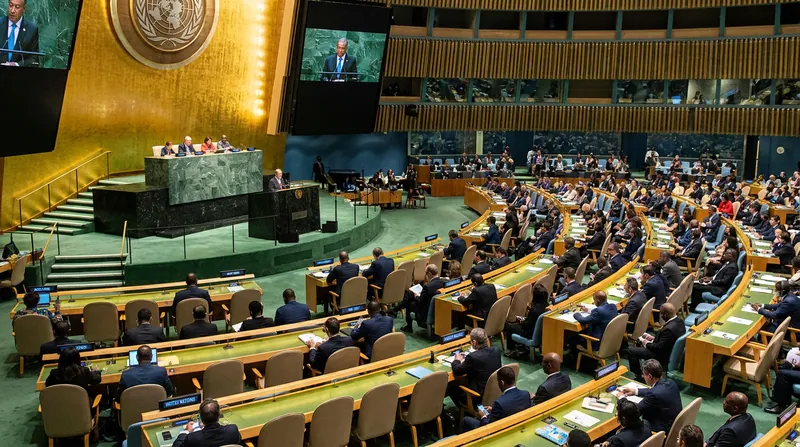
The non-binding declaration will advance to the broader General Assembly despite opposition from wealthy nations.From: US and EU Reject UN Pandemic Preparedness Declaration Over IP and Ideological Disputes ·