full timeline
UK budget and economic policy
Follow UK budget and economic policy in the Factlen app and get an alert when there is news. Get the app
Share this story
Latest
By 20:03 UTC on October 28, the Office for Budget Responsibility warned that United Kingdom living standards will flatline through the end of the decade. The fiscal watchdog projected that average household real disposable income will experience no meaningful growth before 2030, attributing the stagnation to high inflation and rising living costs.
As part of the same October 28 developments, Chancellor John Healey announced a two-percentage-point increase in the tax rate on income from property and savings to navigate tight fiscal headroom. The Chancellor also offered a £100 payment to assist households in weathering immediate energy costs.
The Office for Budget Responsibility further noted on October 28 that higher borrowing costs and energy prices will continue to weigh heavily on economic growth and consumer purchasing power.
How the story developed
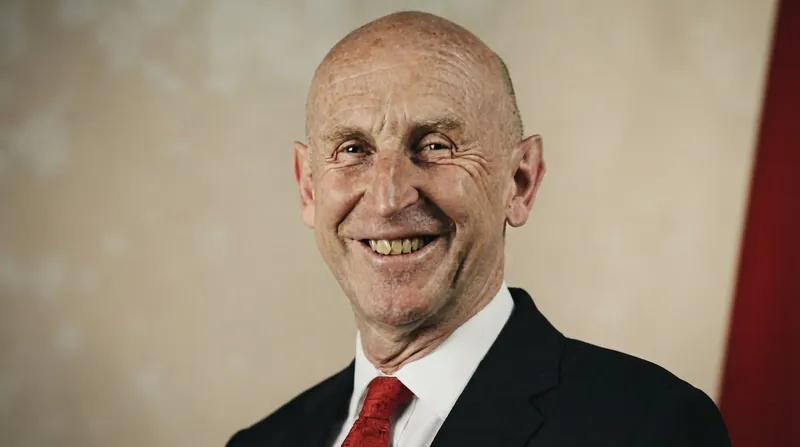
On October 28, Chancellor John Healey introduced the 2026 Autumn Budget as the British government faced fiscal challenges and slowing economic forecasts.
During the October 28 budget presentation, the Office for Budget Responsibility downgraded the United Kingdom's economic growth outlook for 2027, slashing its forecast to 1 percent.
To generate immediate revenue, Healey introduced a temporary three-percentage-point hike in the bank corporation tax surcharge on October 28. The Treasury stated the banking levy is aimed at providing "breathing space" for households facing global economic pressures.
The increase raises the bank surcharge to 6 percent for a period of 15 months, beginning in January.
Following the announcement of the banking levy, financial executives warned that the increased tax burden could harm the international competitiveness of the City of London.
What to watch
- A temporary three-percentage-point hike in the bank surcharge will begin in January and last for 15 months.
- A two-percentage-point increase in the tax rate on income from property and savings will take effect in April 2027.
- The Office for Budget Responsibility projects that average household real disposable income will see no meaningful growth before 2030.
Where things stand
OBR Warns UK Real Incomes Will Stagnate as Healey Hikes Property and Bank Levies
Key point: The OBR projects that UK household real incomes will stagnate until 2030 as Chancellor John Healey introduces new tax hikes on property income and bank profits.
The Office for Budget Responsibility (OBR) has warned that UK living standards will flatline through the end of the decade, as Chancellor John Healey introduced new property and bank levies in his first Budget. The fiscal watchdog projected that average household real disposable income will see no meaningful growth before 2030 due to high inflation and rising living costs.
To navigate tight fiscal headroom, Healey announced a two-percentage-point increase in the tax rate on income from property and savings starting in April 2027. He also introduced a temporary three-percentage-point hike in the bank surcharge, raising it to 6% for 15 months beginning in January.
While the Chancellor offered a £100 payment to help households weather immediate energy costs, the OBR's projections underscore the long-term challenges facing the UK economy. The watchdog noted that higher borrowing costs and energy prices will continue to weigh heavily on growth and consumer purchasing power.
Charts, maps and images
Timeline
October 2026
The British government faces fiscal challenges as economic forecasts slow and tax policies on banks and property are revised.
- OBR Warns UK Real Incomes Will Stagnate as Healey Hikes Property and Bank LeviesKey point: The OBR projects that UK household real incomes will stagnate until 2030 as Chancellor John Healey introduces new tax hikes on property income and bank profits.