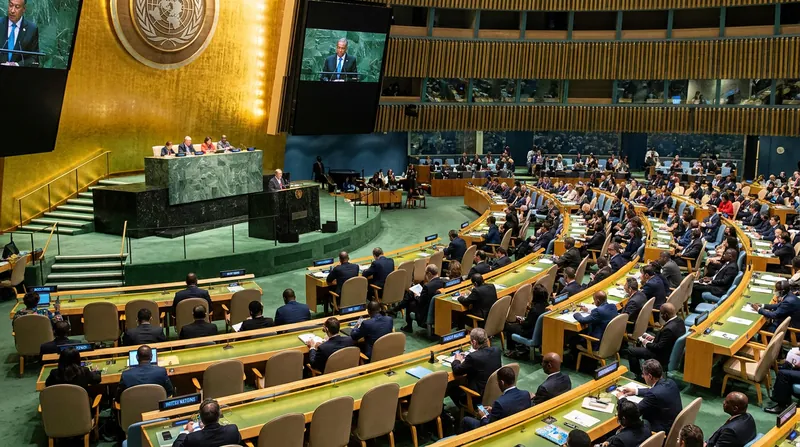
full timeline
The End of Arms Control Consensus: How the UN's Push for a LAWS Treaty Rewrites the Future of Warfare
During a closed-door session in Geneva, US and Russian diplomats successfully stripped provisions mandating human verification of AI-selected military targets from a draft United Nations agreement.
Factlen Newsroom· Updated
Follow The End of Arms Control Consensus: How the UN's Push for a LAWS Treaty Rewrites the Future of Warfare in the Factlen app and get an alert when there is news. Get the app
AI-generated
Share this story
Key numbers
156
UNGA votes in favor of LAWS resolution
2026
Target year for binding treaty
3
States opposing the initial resolution
Charts, maps and images
AI-generated
AI-generated
AI-generated
AI-generated
AI-generated
Timeline
September 2026
US and Russia Remove Human Oversight Requirement From Draft UN AI Weapons Treaty
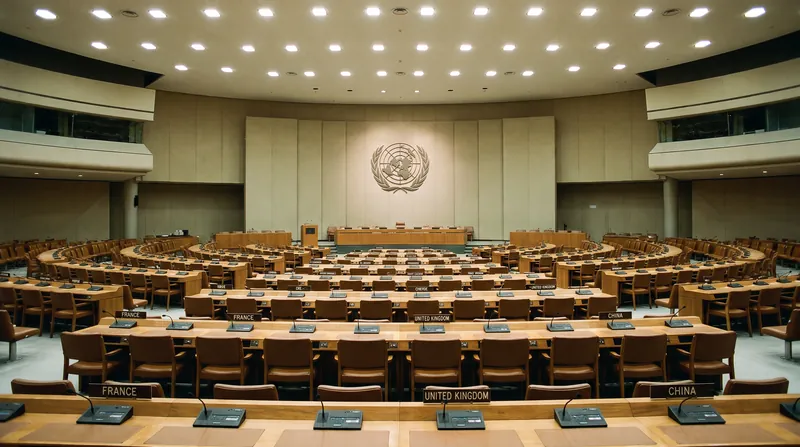
July 2026
The End of Arms Control Consensus: How the UN's Push for a LAWS Treaty Rewrites the Future of Warfare
AI-generatedAI-generatedAI-generatedAI-generated