full timeline
Renewed Ethiopian civil war
Follow Renewed Ethiopian civil war in the Factlen app and get an alert when there is news. Get the app
Share this story
Latest
On October 17, Ethiopian Prime Minister Abiy Ahmed appointed a federally supervised caretaker government for the Tigray region. The interim administration was given a six-month mandate to organize regional elections. The political restructuring occurs amid a humanitarian crisis for 750,000 internally displaced residents, prompting the United States to issue calls for de-escalation.
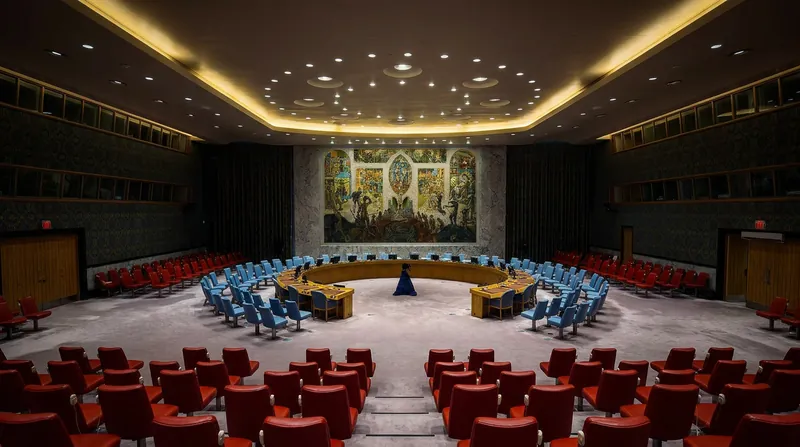
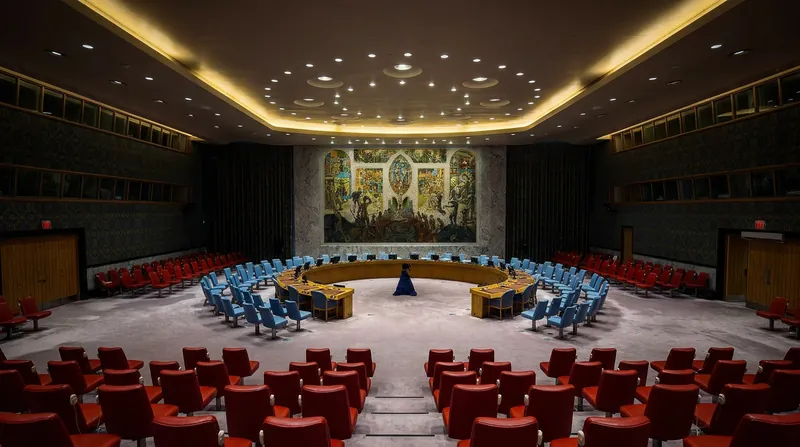
The appointment follows a severe diplomatic escalation at the United Nations on October 10. Ethiopia formally invoked Article 51 of the UN Charter, asserting a legal right to self-defense against alleged Eritrean military incursions into Tigray. Later that day, at 17:30 UTC, Eritrea formally petitioned the UN Security Council to impose deterrent measures against Ethiopia, characterizing Addis Ababa's military posture as a direct declaration of war. Eritrean officials categorically denied the border incursion accusations, describing the diplomatic filing as a fabricated pretext for an impending Ethiopian offensive.
The UN Security Council and the African Union are attempting to broker an emergency de-escalation framework to prevent a conventional war between the two heavily militarized nations. The Security Council must decide whether to formally deliberate on the crisis, a process complicated by geopolitical divisions.
How the story developed
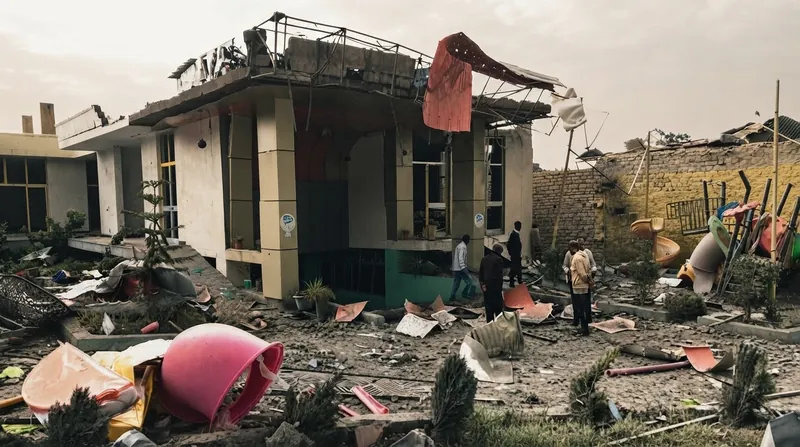
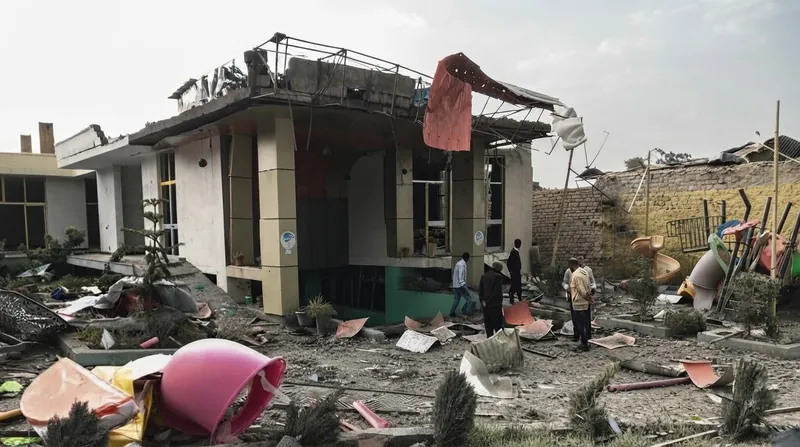
The renewed conflict began after federal drone strikes in Alamata on September 22 reportedly killed at least 14 civilians, prompting the Tigray People's Liberation Front to declare a defensive war. On September 25, a coalition of seven Ethiopian rebel factions announced the formation of the Ethiopian Peoples' Forces Alliance for Survival. The joint military front, which included former bitter enemies such as the Amhara Fano militias and the TPLF, aimed to overthrow Prime Minister Abiy Ahmed by coordinating offensives across half of Ethiopia's 12 regional states to stretch the 500,000-strong federal military. The federal government dismissed the coalition as a fractured proxy force funded by Eritrea, while analysts warned the alliance remained fragile due to unresolved territorial disputes between Fano and the TPLF over Western Tigray.
On September 26, Tigrayan forces launched a multi-front offensive, expanding attacks into the neighboring Afar and Amhara regions. The forces seized federal airports in Mekelle, Axum, and Shire, prompting the suspension of commercial flights. Telecommunications in Tigray were disrupted, and residents reported panic-buying amid fears of renewed siege conditions. The escalation effectively shattered the November 2022 Pretoria Peace Agreement, which had ended a two-year civil war that killed an estimated 600,000 people.
Ethiopian federal forces and allied militias launched counter-offensives, recapturing the strategic town of Alamata from Tigrayan forces on September 28 following days of heavy fighting. Ethiopian military leaders accused neighboring Sudan and Egypt of backing the rebel alliance, allegations that both countries denied.
The conflict triggered a severe diplomatic crisis between Ethiopia and Eritrea. Following drone strikes near Ethiopia's military headquarters in Addis Ababa, which a source linked to the TPLF claimed, Ethiopia ordered ten Eritrean diplomats to leave and closed its embassy in Asmara on October 3, citing threats to national security. Eritrea immediately severed all diplomatic ties, accusing Ethiopia of maintaining a de facto declaration of war.
On October 4, Ethiopian government troops and the allied Tigray Peace Force militia regained control of Mekelle after the TPLF retreated from the regional capital. The rebel group stated it had temporarily relocated its administration to spare the capital's 500,000 residents from heavy urban combat.
What to watch
- The organization of regional elections in Tigray, mandated to take place within six months under the new interim administration.
- The UN Security Council's decision on whether to formally deliberate on Eritrea's petition for deterrent measures against Ethiopia.
- The African Union and UN Security Council's attempts to broker an emergency de-escalation framework.
Charts, maps and images
Show 11 moreShow fewer
Timeline
October 2026
Ethiopian Prime Minister Appoints Interim Administration for Tigray Ahead of Elections
Ethiopia Invokes UN Article 51, Citing Eritrean Military Incursion Into Tigray Region
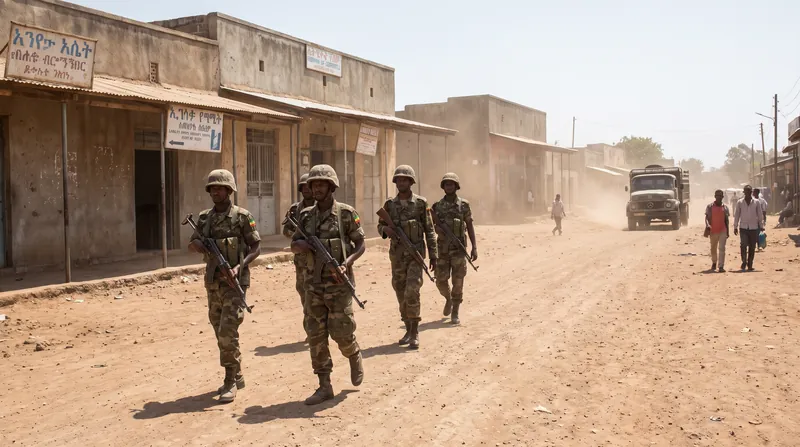
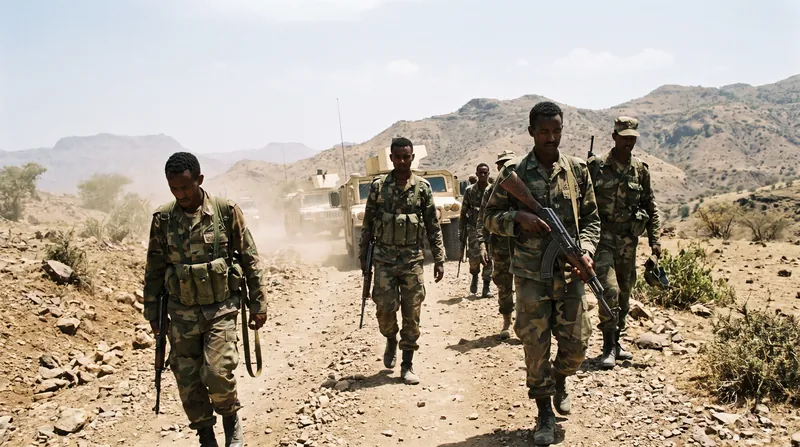
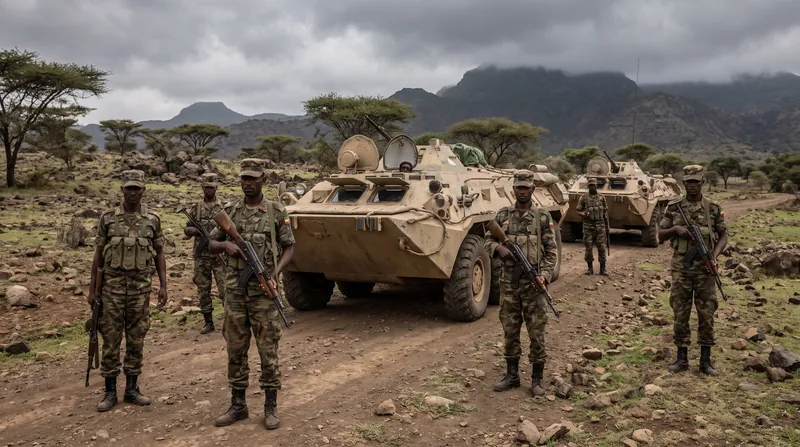
AI-generatedAI-generatedAI-generatedAI-generated- Ethiopia Invokes UN Article 51, Citing Eritrean Military Incursion Into Tigray RegionThe Ethiopian government has formally notified the United Nations Security Council of its intent to exercise self-defense following alleged troop movements by Eritrea across their shared border.
- Eritrea Urges UN Security Council to Impose Deterrent Measures on Ethiopia Over War DeclarationEritrea has formally petitioned the United Nations Security Council to intervene against Ethiopia, characterizing Addis Ababa's recent military posture as a direct declaration of war.
Ethiopian Federal Forces Retake Tigray Capital Mekelle Following TPLF Withdrawal
Ethiopia and Eritrea Sever Diplomatic Ties as Tigray Conflict Reignites
September 2026
Ethiopian Federal Forces Recapture Alamata as Northern Conflict Resumes
Tigrayan Forces Launch Major Offensive, Shattering 2022 Peace Deal and Reigniting Ethiopian Civil War
Seven Ethiopian Armed Groups Form Alliance to Overthrow Government