full timeline
OPEC+ response to Iran conflict
Follow OPEC+ response to Iran conflict in the Factlen app and get an alert when there is news. Get the app
Share this story
Latest
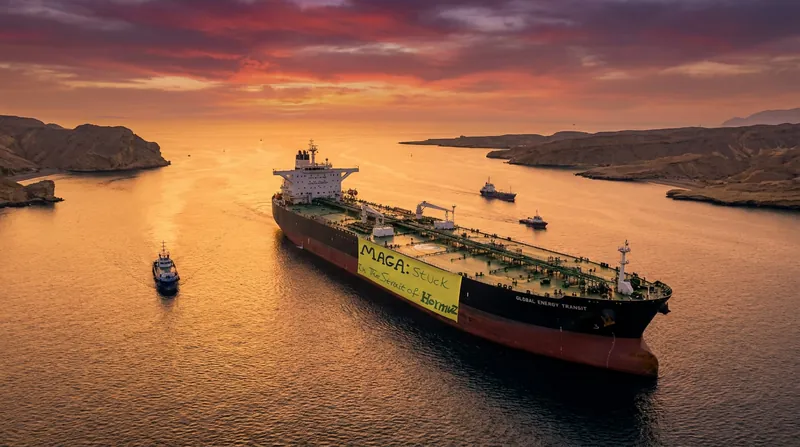
By 07:26 UTC on November 2, seven core OPEC+ producers agreed to maintain their collective December production target at approximately 31 million barrels per day. The decision occurred as the US-Iran conflict effectively closed the Strait of Hormuz to commercial shipping, trapping significant Gulf exports.
The severe supply constraints pushed Brent crude futures to a six-month high of $117.64 a barrel. This price surge followed 35 recorded vessel attacks in the region during October.
How the story developed
The cartel's response to the regional conflict began taking shape on September 7, when seven core OPEC+ members froze their October oil production quotas at September levels. This pause followed a 188,000 barrel-per-day increase in September that had unwound production cuts dating back to 2023.
At the time of the September freeze, ongoing conflict and disruptions in the Strait of Hormuz were already preventing actual exports from reaching their nominal targets. Energy analysts noted that the cartel's paper quotas held limited influence over physical market supply due to the restricted shipping lanes, prompting the group to shift focus toward a broader capacity review to establish new output baselines for 2027.
On October 4, OPEC+ delegates agreed to keep November oil output targets unchanged, extending the production pause for a second consecutive month. The decision left an estimated 5.8 million barrels per day of spare capacity offline while global markets navigated severe supply chain bottlenecks.
Maritime disruptions near the Strait of Hormuz remained the primary catalyst for the cartel's cautious approach to market intervention throughout the fall. Energy analysts warned that the lack of additional crude could accelerate price spikes if regional conflicts escalated further, setting the stage for the subsequent price highs.
What to watch
- The wider OPEC+ alliance will meet on November 29 to negotiate highly contentious production baselines for 2027.
Where things stand
Crude Drops Below $110 Amid Qatar-Iran Diplomatic Talks
Key point: Oil prices fell more than 3% as Iranian and Qatari officials held a third day of talks aimed at ending the US-Israeli war on Iran.
Global crude oil prices fell more than 3% on Monday, with Brent crude sliding below the $110 per barrel threshold. The decline follows a third consecutive day of negotiations between Iranian and Qatari officials aimed at securing a diplomatic resolution to the US-Israeli war on Iran.
Brent crude futures dropped to $109.75 a barrel, while US West Texas Intermediate fell to $100.69, as the absence of weekend military escalation and hopes for a diplomatic breakthrough prompted a technical pullback. Iranian Foreign Minister Abbas Araqchi confirmed that consultations with Qatari mediators are progressing, though he noted Tehran remains prepared for both defense and diplomacy.
The price drop provides some relief to a market that had seen Brent reach a six-month high in October due to attacks on oil tankers in the Strait of Hormuz. Analysts caution that the geopolitical risk premium could return if the US midterm elections pass without a deal or if rhetoric against Iran intensifies.
Charts, maps and images
Timeline
November 2026
OPEC+ Holds December Oil Output Targets Steady as Iran War Disrupts Global Supply
- Crude Drops Below $110 Amid Qatar-Iran Diplomatic TalksKey point: Oil prices fell more than 3% as Iranian and Qatari officials held a third day of talks aimed at ending the US-Israeli war on Iran.
October 2026
OPEC+ Maintains Oil Production Targets for November Amid Middle East Supply Squeeze
September 2026
OPEC+ Pauses October Oil Production Increase Amid Strait of Hormuz Disruptions