full timeline
India voter roll deletion controversy
Follow India voter roll deletion controversy in the Factlen app and get an alert when there is news. Get the app
Share this story
Latest
On October 18, Delhi Police released Cockroach Janta Party founder Abhijeet Dipke and AISA president Neha Bora following their preventive detention ahead of the 'Lehra Do Tiranga' march. Authorities required Dipke to sign a 50,000-rupee peace bond, undertaking not to disturb public tranquility for one year. Additionally, police registered at least three FIRs against demonstrators for defying prohibitory orders during the protests.
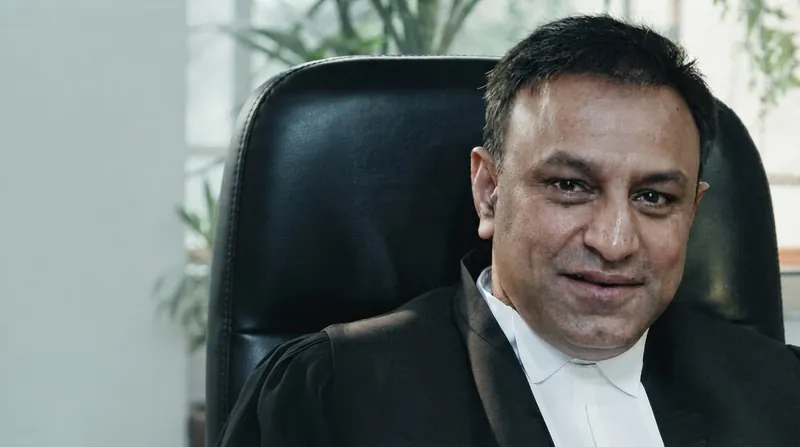
Prior to these releases, the Supreme Court of India issued formal notices to the Election Commission and Chief Election Commissioner Gyanesh Kumar on October 15. The notices followed a petition from opposition leaders demanding an independent audit of the Special Intensive Revision exercise that flagged 130 million voters for removal. The Election Commission has continued to defend the exercise as a routine cleanup targeting deceased, relocated, and untraceable citizens.
How the story developed
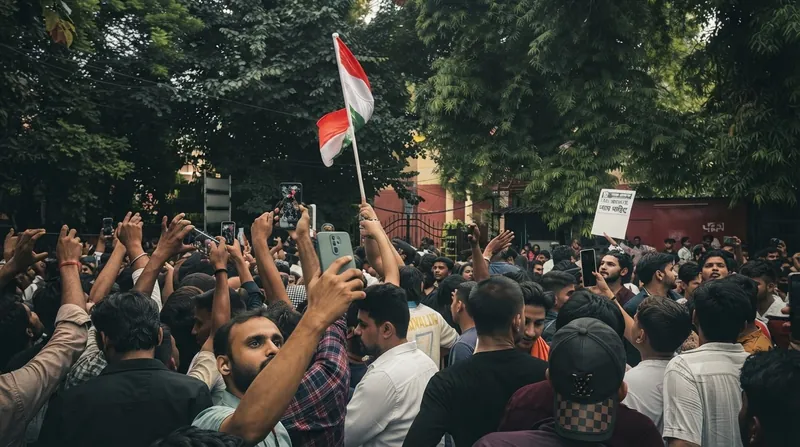
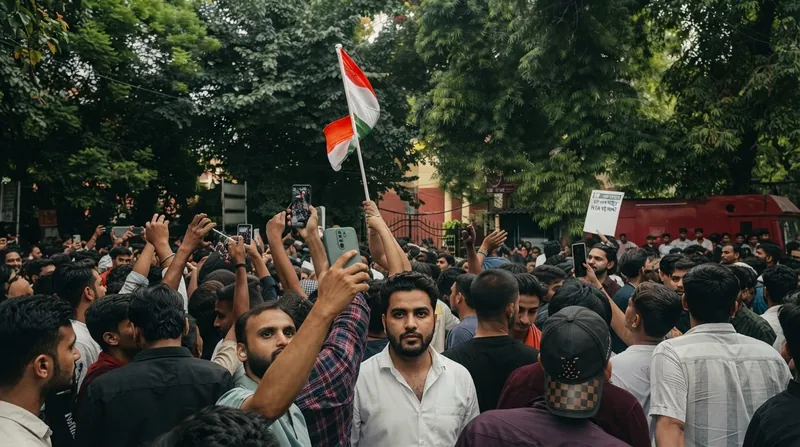
The controversy began over a nationwide voter verification drive, known as the Special Intensive Revision, which removed approximately 130 million names from draft electoral rolls. On October 4, protests erupted in New Delhi and Mumbai, with demonstrators demanding the resignation of Chief Election Commissioner Gyanesh Kumar. The youth-led Cockroach Janta Party and opposition leaders alleged the mass removals were a systematic, targeted suppression effort designed to disenfranchise legitimate voters and favor the ruling BJP. During these initial demonstrations, police detained more than 700 people.
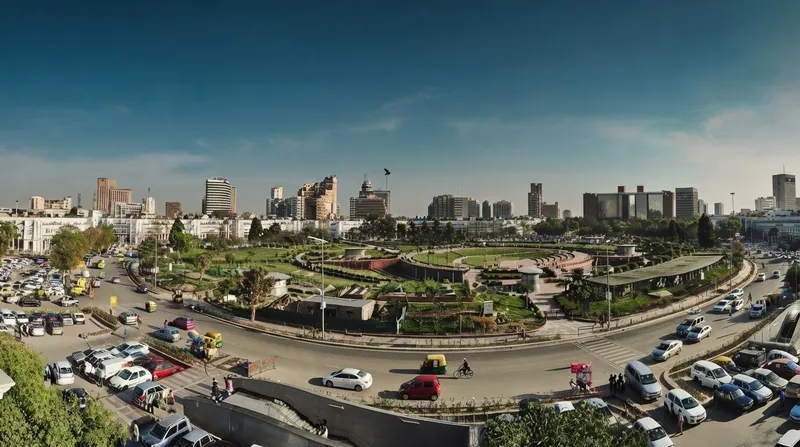
The Election Commission defended the mass removals as a routine administrative cleanup to eliminate duplicate and ineligible entries. However, protests continued to escalate, leading to a sweeping security crackdown across central New Delhi by October 11. To block a planned demonstration at the Jantar Mantar protest site, Indian police locked down the area, suspended mobile internet services, and closed metro stations.
During the October 11 lockdown, authorities detained over 2,000 people, including youth movement leaders and opposition politicians, before they could reach the protest site. The ruling Bharatiya Janata Party defended the revision process as a routine cleanup of ineligible voters and dismissed the protesting groups as anarchic elements.
The standoff shifted to the judiciary on October 13, when Leader of the Opposition Rahul Gandhi and ten other figures from the INDIA bloc filed a joint petition in the Supreme Court. The legal challenge sought to freeze the nationwide voter roll purge and demanded an independent audit of the Election Commission's removal of the 130 million voters.
In their petition, the opposition leaders demanded the disclosure of internal poll panel records, alleging that Chief Election Commissioner Kumar had acted unilaterally. The Election Commission countered these claims, defending the purge as a unanimous, statutory cleanup targeting deceased, duplicate, and migrated voters.
What to watch
- The Election Commission's formal response to the Supreme Court notices regarding the mass removal of names from electoral rolls.
- The Supreme Court's pending decision on the opposition's petition to suspend the ongoing Special Intensive Revision and mandate an independent audit.
- Whether the Supreme Court will force the disclosure of internal poll panel records as demanded by the INDIA bloc leaders.
Charts, maps and images
Show 7 moreShow fewer
Timeline
October 2026
Indian Police Release Cockroach Movement Leader Dipke and File FIRs Over Protests
India's Supreme Court Issues Notice to Election Commission Over 130 Million Voter Deletions
Indian Opposition Petitions Supreme Court to Freeze Nationwide Voter Roll Purge
India Locks Down New Delhi, Detains 2,000 Protesters Demanding Election Chief's Resignation
Indian Police Detain Hundreds as Protests Erupt Over Deletion of 130 Million Voters