full timeline
Global El Niño climate impacts
Follow Global El Niño climate impacts in the Factlen app and get an alert when there is news. Get the app
Share this story
Latest
On October 18 by 19:02 UTC, stalled atmospheric systems over Australia were identified as suppressing the cooling trade winds that protect the Great Barrier Reef. These prolonged doldrums cause rapid spikes in sea-surface temperatures by allowing intense solar radiation to heat the calm ocean. The exceptionally strong El Niño is amplifying the threat by raising the baseline heat stress on the marine ecosystem. United Nations biodiversity experts warn that the compounding heat could push nearly half of all reef-building coral species closer to extinction.
On October 17 by 10:04 UTC, the Indian government directed state-run oil marketing companies to exclude sugarcane juice and syrup from their 2026-2027 ethanol procurement tender. The zero-diversion mandate prioritizes domestic food security as severe El Niño weather patterns threaten sugarcane yields and push retail prices to record highs. To sustain its 20% ethanol blending target, the government will rely entirely on alternative grain feedstocks like corn and surplus rice. The policy shift eliminates a reliable revenue stream for sugar mills, forcing them to pivot back to maximizing pure sugar recovery.
Earlier on October 17, by 05:31 UTC, NASA satellite observations confirmed the El Niño is strengthening rapidly, with equatorial Pacific sea surface temperatures reaching historic highs. The National Oceanic and Atmospheric Administration's Winter Outlook predicts the event will shift the jet stream, bringing wetter conditions to the southern United States and warmer temperatures to the north. The sudden influx of moisture in drought-stricken southern regions significantly increases the risk of flash floods and mudslides this winter.
How the story developed
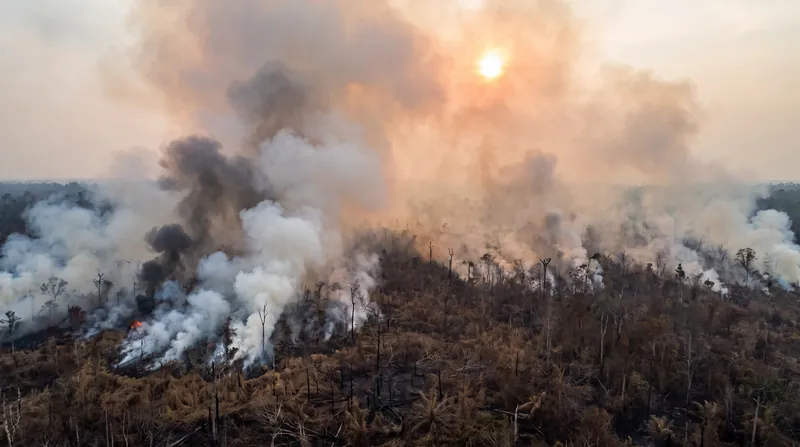
The current climate pattern began intensifying in September. On September 12, the National Oceanic and Atmospheric Administration forecast a 75% chance of a historically strong El Niño peaking between October and December, projecting sea surface temperatures in the central Pacific could exceed a 2.5 degrees Celsius anomaly. Only three previous events in modern history—1982, 1997, and 2015—had reached this thermal threshold. By September 14, severe drought driven by the phenomenon had severely dried out highly flammable peatlands in Indonesia. The burning of these drained, carbon-rich peatlands released 19.7 million metric tons of carbon dioxide in the first week of September, surpassing Russia to become the highest globally for that period. Air quality in parts of West Kalimantan reached hazardous levels above 390. On September 15, data confirmed sea surface temperature anomalies in the equatorial Pacific breached the 2 degrees Celsius threshold, officially elevating the pattern to a super El Niño event and suppressing Atlantic hurricanes.
The ocean heat continued to escalate rapidly. On September 24, the sea surface temperature anomaly reached 3.05 degrees Celsius, breaking the previous 2015 record of 3.02 degrees Celsius months before the typical winter peak. The following day, the Climate Impact Lab forecast that extreme heat driven by the event will claim 451,000 additional lives worldwide between June and February 2027, with excess heat already causing an estimated 200,000 deaths since June. The fatalities are heavily concentrated in the Global South, with the African Sahel and Southeast Asia facing the steepest tolls, and Nigeria forecast to suffer over 31,000 casualties. Researchers released the data early to help governments deploy targeted interventions like cooling centers and heat warnings.
Economic and infrastructure impacts also came into focus. On September 26, the United Nations Economic Commission for Latin America and the Caribbean projected that a high-intensity El Niño could reduce Latin America's gross domestic product by at least 2% over three years and push an additional 4.8 million people into poverty by 2030. The National Oceanic and Atmospheric Administration projected a greater than 90% probability of a very high-intensity El Niño in late 2026. Aging hydroelectric grids in the region face severe strain from projected rainfall deficits of up to 60%, prompting calls for governments to adopt anticipatory climate risk management and diversify energy sources.
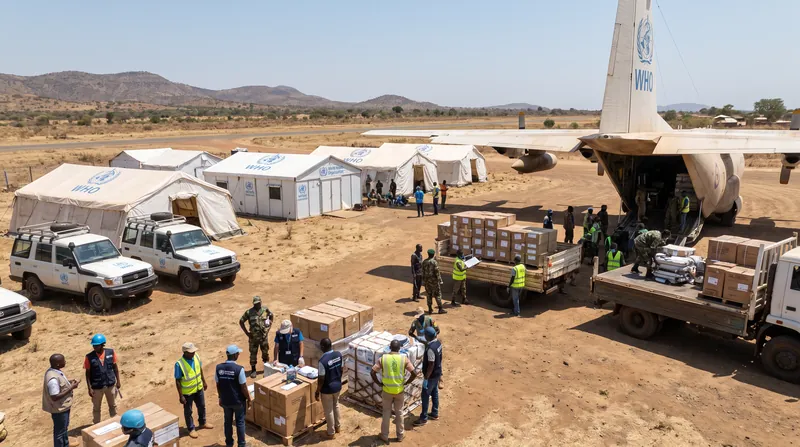
The humanitarian crisis expanded on September 27 when the World Health Organization declared the anticipated health impacts of El Niño in Africa a Grade 3 emergency, its highest crisis classification. The agency warned that 18 African countries face high risks of severe flooding, drought, and disease outbreaks through 2027. Eastern and central Africa face increased threats of cholera, malaria, and dengue, while southern Africa is projected to experience severe drought, worsening existing food insecurity and malnutrition. By October 10, the World Meteorological Organization forecast the El Niño will reach a record 3.7 degrees Celsius anomaly in the central Pacific by December, significantly exceeding the previous modern record of 2.6 degrees Celsius set during the 2015–2016 event. The extreme ocean heat is expected to drive severe droughts in India and Central America while causing heavy flooding in parts of Africa and the United States.
What to watch
- The El Niño sea surface temperature anomaly is forecast to peak in November or December, potentially approaching an unprecedented 4.0 degrees Celsius.
- The World Health Organization is urgently seeking $2.2 million to fund immediate surveillance, emergency supplies, and rapid-response deployments in Africa.
- The compounding effect of El Niño and global heating is expected to make 2027 the hottest year on record.
- The climate event is expected to persist through February 2027.
Charts, maps and images
Show 16 moreShow fewer
Timeline
October 2026
Overlapping Pacific Atmospheric Systems Threaten Great Barrier Reef With Severe El Niño Bleaching
NASA Satellite Data Confirms Historic Intensity of Developing 2026 El Niño
AI-generatedAI-generatedAI-generatedAI-generated- NASA Satellite Data Confirms Historic Intensity of Developing 2026 El NiñoRecent satellite observations reveal that the current El Niño is strengthening rapidly, with sea surface temperatures in the central and eastern Pacific reaching record highs.
- India Halts Sugar-Based Ethanol Procurement to Protect Domestic Supply Amid El Niño DroughtThe Indian government has directed state-run oil marketing companies to exclude sugarcane juice and syrup from their 2026-27 ethanol procurement tender.
WMO Forecasts Record-Breaking El Niño With +3.7°C Pacific Anomaly
AI-generatedAI-generatedAI-generated



September 2026
WHO Declares El Niño Health Impacts in Africa a Grade 3 Emergency
ECLAC Warns Extreme El Niño Could Cost Latin America 2% of GDP and Push 4.8 Million Into Poverty
El Niño Projected to Cause 451,000 Additional Heat-Related Deaths Worldwide
AI-generatedAI-generatedAI-generatedEl Niño Surpasses All-Time Temperature Anomaly Record Months Before Expected Peak
NOAA Data Confirms El Niño Breaches 2°C Threshold, Reaching 'Super' Status
AI-generatedAI-generatedAI-generatedIndonesian Wildfire Emissions Reach Global High Amid Severe El Niño Drought
NOAA Forecasts 75% Chance of Historic El Niño Exceeding 2.5°C Anomaly