
full timeline

Explainer: The Mechanics of the Indus Waters Treaty and the Stakes of Its Suspension

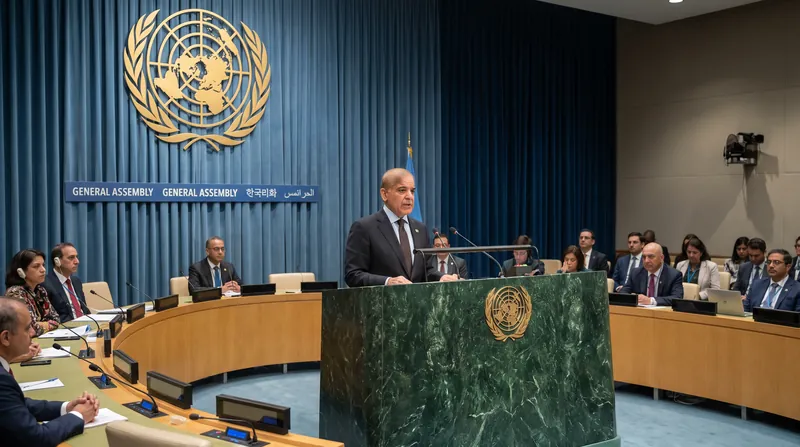
Prime Minister Shehbaz Sharif used his UN address to warn that any unilateral move by New Delhi to restrict river flows would trigger a military response, a claim India rejected as a deflection from cross-border terrorism.

Factlen Newsroom· Updated

Follow Explainer: The Mechanics of the Indus Waters Treaty and the Stakes of Its Suspension in the Factlen app and get an alert when there is news. Get the app

Pakistan Prime Minister Shehbaz Sharif addresses the 81st United Nations General Assembly in New York on Friday.From: Pakistan Declares Indian Diversion of Indus Waters an 'Act of War' at UN General Assembly
Share this story

Charts, maps and images

The 1960 Indus Waters Treaty divides control of six major rivers between India and Pakistan.From: Pakistan Declares Indian Diversion of Indus Waters an 'Act of War' at UN General Assembly ·
The 1960 treaty allocated the eastern rivers to India and the western rivers to Pakistan.From: Explainer: The Mechanics of the Indus Waters Treaty and the Stakes of Its Suspension ·
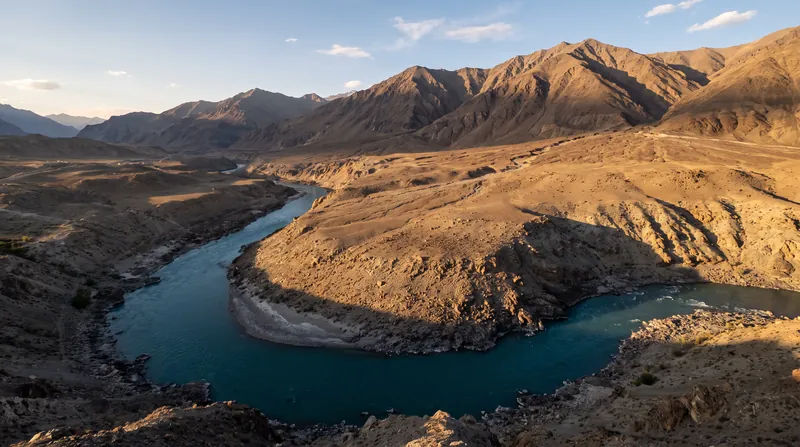
India's construction of hydroelectric projects on the western rivers has triggered repeated diplomatic disputes.From: Pakistan Declares Indian Diversion of Indus Waters an 'Act of War' at UN General Assembly ·
Run-of-the-river hydroelectric projects have been a persistent source of technical friction.From: Explainer: The Mechanics of the Indus Waters Treaty and the Stakes of Its Suspension ·
Pakistan relies on the western rivers to feed the world's largest contiguous irrigation system.From: Explainer: The Mechanics of the Indus Waters Treaty and the Stakes of Its Suspension ·