
The Race for the Podium: Yannick Flohé and Taisei Homma Disrupt the Men's Lead Standings Ahead of Briançon
A string of consistent finals appearances has propelled veteran climbers Yannick Flohé and Taisei Homma into the top three of the IFSC Men's Lead standings. With the Briançon World Cup looming, the duo is challenging the dominance of the sport's younger generation.

Share this story
As the 2026 IFSC World Cup circuit descends on the French Alps for the iconic Briançon stage, the Men's Lead standings have undergone a dramatic midseason reshuffle. While the early months of the year were dominated by the sport's teenage phenoms, a string of grueling, endurance-heavy routes in June and July has allowed a pair of seasoned veterans to surge up the leaderboard.
Germany's Yannick Flohé and Japan's Taisei Homma have quietly dismantled the narrative that modern competition climbing belongs exclusively to the youth, climbing into second and third place, respectively, in the overall season standings.[1]
Flohé's ascent up the rankings has been a masterclass in consistency and calculated risk. After a frustrating boulder season that saw him narrowly miss several finals, the 26-year-old German pivoted his training entirely toward lead endurance. The results have been undeniable. Over the last three World Cup stops, Flohé has not finished outside the top five, utilizing his immense physical power to muscle through the steep, dynamic lower sections of the walls while retaining enough stamina to navigate the delicate headwalls.
Currently sitting at 3,420 points, Flohé is now within striking distance of the overall leader, Japan's Sorato Anraku. Analysts note that Flohé's climbing style has evolved; he is climbing faster through the lower sections, minimizing the time spent under tension. This tactical shift has allowed him to arrive at the crucial, sequence-heavy upper panels with significantly more gas in the tank than his younger competitors, who often burn excess energy on flashy, dynamic moves early in the route.
Hot on Flohé's heels is Taisei Homma, the 27-year-old Japanese technician who currently holds third place with 3,150 points. Homma's approach stands in stark contrast to Flohé's power-centric style. Known for his flawless route reading and static precision, Homma has capitalized on the increasingly complex, volume-heavy routes set by IFSC officials this season. Where others lunge and dyno, Homma finds subtle heel hooks and microscopic crimps, moving with a quiet efficiency that conserves vital energy for the final clips.[1][2]
Homma's performance in Chamonix earlier this month was a testament to this methodical approach. On a route that spat off half the final field due to a notoriously cryptic sequence near the top, Homma spent nearly a full minute resting and analyzing the holds before executing a perfect, static sequence that secured him a spot on the podium. That single tactical decision netted him 690 ranking points, vaulting him past several younger rivals in the season standings.[2]
The resurgence of Flohé and Homma sets up a thrilling narrative for the final stretch of the 2026 season. With only two Lead World Cups remaining—Briançon this weekend and Koper, Slovenia, in September—the mathematical window to secure the overall season title is closing. The Briançon wall, famous for its massive overhang and relentless pump factor, traditionally favors climbers with deep endurance reserves, potentially giving Flohé and Homma a distinct advantage over the explosive boulderers crossing over into lead.
Securing a podium finish in the overall Lead standings is more than just a matter of prestige; it carries significant strategic weight. The top-ranked athletes at the end of the World Cup season earn highly favorable seeding for the upcoming IFSC World Championships, ensuring they climb later in the qualification rounds when the friction is better and the sequences have been somewhat demystified by earlier competitors. For veterans like Flohé and Homma, this advantage is crucial for extending their competitive longevity.[1]
As the lights go up on the Parc des Sports in Briançon, all eyes will be on the battle between the generations. The teenage stars will undoubtedly bring their trademark fireworks, attempting to break the routes with raw power and dynamic flair. But Flohé and Homma have proven that experience, pacing, and tactical brilliance are still potent weapons on the world stage. If they can maintain their current form, the 2026 Men's Lead season may well belong to the veterans.[2]
Key points
- Yannick Flohé and Taisei Homma have surged into the top three of the Men's Lead standings.
- Flohé has utilized a faster climbing pace to conserve energy for upper wall sequences.
- Homma has relied on static precision and route reading to navigate complex, volume-heavy climbs.
- Only two events remain in the 2026 season to finalize the overall podium.
- High season rankings secure favorable seeding for the upcoming IFSC World Championships.
How we got here
May 2026
The Lead World Cup season opens with teenage climbers dominating the early podiums.
June 2026
Yannick Flohé shifts his training focus entirely to endurance, resulting in consecutive top-five finishes.
Early July 2026
Taisei Homma secures a podium spot in Chamonix, vaulting into third place overall.
Mid-July 2026
The circuit arrives in Briançon for the penultimate Lead event of the season.
- Veteran Tacticians
- Argue that experience, pacing, and route-reading are the ultimate deciders in long lead routes.
- New Generation Power
- Believe that raw finger strength and dynamic, explosive movement are the future of the sport.
- Neutral Analysts
- Focus on the mathematical race for the podium and the impact of route setting on the standings.
Perspectives this story doesn't cover
- The perspective of the current overall leader, Sorato Anraku, on the pressure from veteran competitors.
- Insights from national team coaches on adjusting training blocks for the final two events.
Sources
Source coverage
2 outlets
3 viewpoints surfaced


- [1]IFSC OfficialNeutral Analysts
Current Men's Lead Standings: July 2026
Read on IFSC Official → - [2]8a.nuVeteran Tacticians
Homma's Tactical Masterclass in the 2026 Season
Read on 8a.nu →
More in Sports
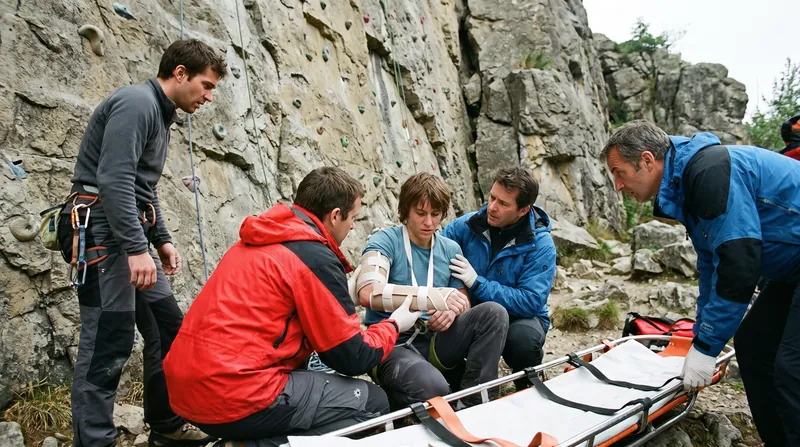
See all →Injury
2026 Sport Climbing Injury Report: Sarah Tetzlaff and Manuel Cornu Headline Triumphant Returns
6 sources
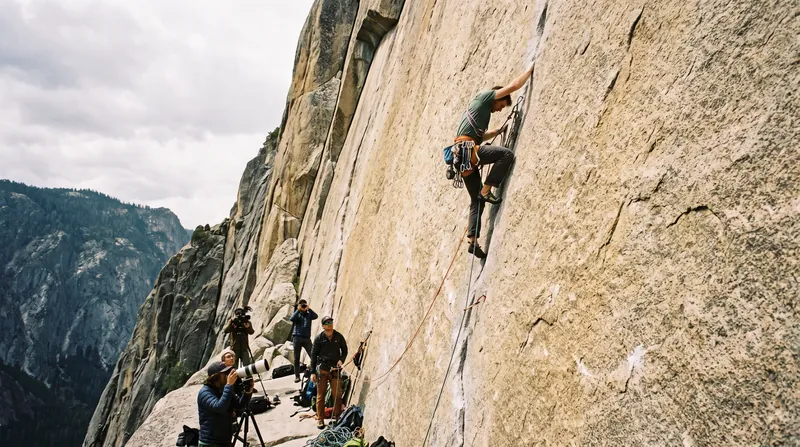
Standings
Matteo Zurloni and Ludovico Fossali Propel Italy Into the Top Tier of the 2026 Men's Speed Standings
3 sources
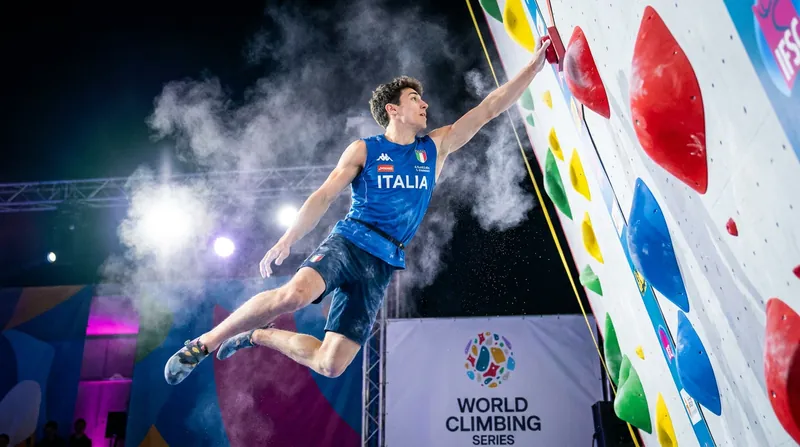
Injury
Hannes Van Duysen Completes Gritty Return from Off-Season Elbow Surgery to Reach World Cup Finals
6 sources
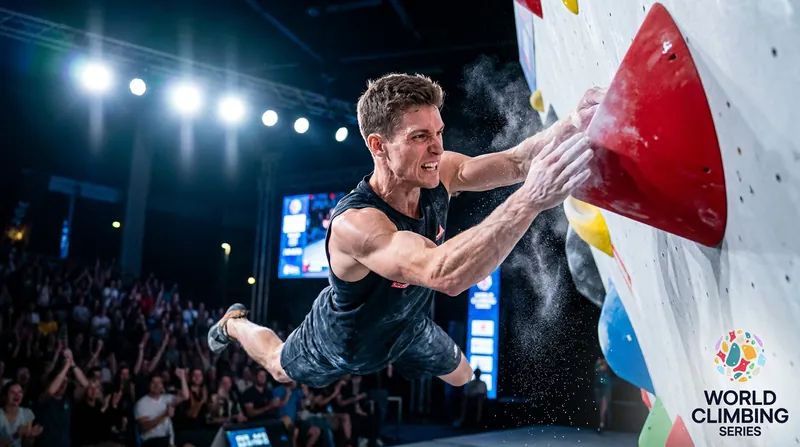
Injury
2026 Sport Climbing Injury Report: Leonardo Strikes Gold in Chamonix as Köhler and Raboutou Prove the Power of Rehab
3 sources

Comments
Every angle. Every day.
Get Sports stories with full source coverage and perspective breakdowns, free every day.