
The Race for Representation: Emerging Federations Surge in the ISU World Standings
Skaters from non-traditional figure skating nations are making historic climbs in the post-Olympic ISU World Standings, securing crucial international assignments and reshaping the sport's global footprint.
Share this story
The release of the 2026–2027 International Skating Union (ISU) World Standings has revealed a quiet but profound shift in the landscape of global figure skating. While the very top of the podium remains dominated by traditional powerhouse nations, the race for the crucial Top 50 spots is increasingly being won by athletes from emerging federations.
Following the retirements and hiatuses that typically follow a Winter Olympic cycle, skaters from Latin America, Southeast Asia, and smaller European nations have surged up the rankings, capitalizing on an open field to secure their places on the international stage.
In figure skating, world standings are far more than a vanity metric; they are the currency that buys opportunity. Breaking into the Top 50 guarantees skaters entry into the ISU Challenger Series, a vital circuit of B-level events that offer world ranking points and prize money.
More importantly, climbing into the Top 24 places a skater on the coveted alternate list for the prestigious Grand Prix circuit, where the sport's highest visibility and most lucrative sponsorships reside. For athletes without the backing of a massive national federation, these points are a lifeline.[1]
Mexico's Donovan Carrillo exemplifies this successful climb. After making history in Beijing and continuing his momentum through the Milano-Cortina Olympic cycle, Carrillo has firmly cemented his position within the Top 24 of the Men's World Standings. His sustained ranking has not only guaranteed him two Grand Prix assignments for the upcoming fall season but has also triggered increased funding from Mexican sports authorities, creating a blueprint for how sustained ranking success can build infrastructure back home.[2]
Similarly, the Baltic nations are experiencing a renaissance in the standings. Estonia's Aleksandr and Mihhail Selevko have pushed their federation into a formidable position. Following Aleksandr's historic European Championship medal in 2024 and consistent top-ten finishes throughout the 2025–2026 season, he now hovers near the top 10 globally. This high standing ensures that Estonia receives favorable seeding at the World Championships, protecting their athletes from the grueling early qualification rounds.[4]
The surge is also visible in the Pairs and Ice Dance disciplines, which have historically been the hardest for emerging federations to break into due to the high costs of specialized coaching. The Philippines' Isabella Gamez and Alexander Korovin have steadily climbed the pairs standings over the last two seasons. By strategically competing in numerous Challenger and Senior B events across Europe and Asia, they have amassed enough points to challenge for a Top 30 spot, aiming to become the highest-ranked Southeast Asian pair in ISU history.[1][3]
This strategy of "point-chasing" is a grueling but necessary reality for skaters outside the sport's "Big Six" (Japan, USA, Canada, Italy, France, and South Korea). While top-tier athletes from major federations often receive automatic Grand Prix byes and can limit their early-season travel, skaters from emerging nations must crisscross the globe, competing in events from Bratislava to Almaty, to accumulate the 250 to 300 points typically required to break the Top 50 barrier.[1]
The ISU has actively encouraged this global spread through its Development Program, which provides financial assistance to smaller federations to help cover the exorbitant costs of travel and coaching. Officials note that having a diverse representation in the Top 50 is essential for the sport's long-term Olympic viability, ensuring that figure skating maintains a truly global television audience rather than a regionalized one.
As the summer training camps wrap up and the Challenger Series kicks off in September, the race for ranking points will only intensify. For these emerging stars, every cleanly landed jump and synchronized spin is not just about a medal on a given weekend; it is about securing the points necessary to keep their federations on the map, proving that world-class figure skating can flourish far beyond its traditional borders.[1]
Key points
- Skaters from emerging federations are successfully climbing the ISU World Standings following the post-Olympic reset.
- Reaching the Top 50 is critical for securing spots in the Challenger Series and earning World Championship minimums.
- Athletes like Mexico's Donovan Carrillo and Estonia's Aleksandr Selevko have cemented spots in the Top 24, guaranteeing Grand Prix assignments.
- The ISU views this global diversification as essential for the sport's long-term health and Olympic broadcast viability.
- Skaters from smaller nations often have to compete more frequently to accumulate points compared to athletes from major federations.
How we got here
Feb 2022
Donovan Carrillo becomes the first Mexican skater to reach the Olympic free skate, boosting his world standing points.
Jan 2024
Aleksandr Selevko wins Estonia's first-ever European Championship medal, securing a massive points haul.
Feb 2026
The Milano-Cortina Winter Olympics feature a record number of participating federations in the individual events.
July 2026
The ISU releases the updated 2026-2027 World Standings, confirming the rise of skaters from emerging nations into the Top 50.
- Emerging Federation Athletes
- View the standings climb as a grueling but necessary grind to secure funding and prove that talent exists outside traditional strongholds.
- Figure Skating Analysts
- Focus on the strategic use of B-level Challenger events to manipulate the math of the ISU standings and secure Grand Prix alternate spots.
- ISU Officials
- See the diversification of the Top 50 as a successful outcome of development programs and crucial for the sport's Olympic future.
Perspectives this story doesn't cover
- National Olympic Committees from emerging nations regarding funding adjustments based on these standings.
- Coaches from major federations reacting to the increased competition for alternate spots.
Sources
Source coverage
4 outlets
3 viewpoints surfaced




- [1]Anything GOEsFigure Skating Analysts
The Race for the Top 50: Challenger Series Implications for Emerging Federations
Read on Anything GOEs → - [2]ESPN DeportesEmerging Federation Athletes
Donovan Carrillo se consolida en el Top 24 del ranking mundial de patinaje
Read on ESPN Deportes → - [3]ABS-CBN NewsEmerging Federation Athletes
Philippine Figure Skaters Reach Historic Highs in Latest ISU World Rankings
Read on ABS-CBN News → - [4]ERREmerging Federation Athletes
Selevko brothers push Estonia up the global figure skating ranks ahead of new season
Read on ERR →
More in Sports
See all →Standings
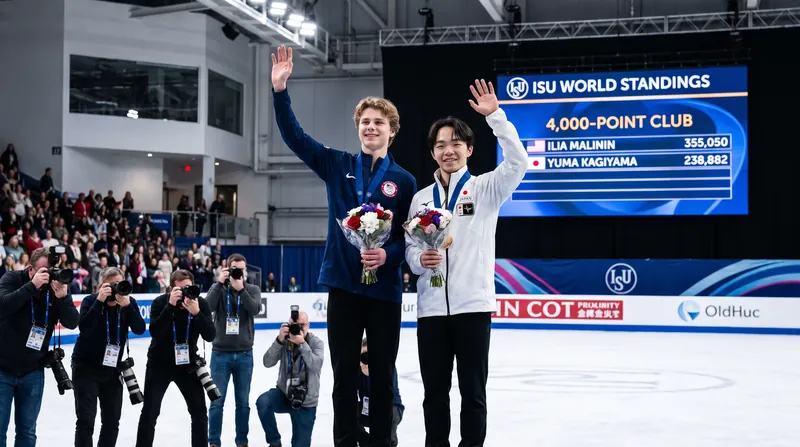
The 4,000-Point Club: Ilia Malinin and Yuma Kagiyama Separate Themselves Atop the ISU Men's World Standings
3 sources
Standings
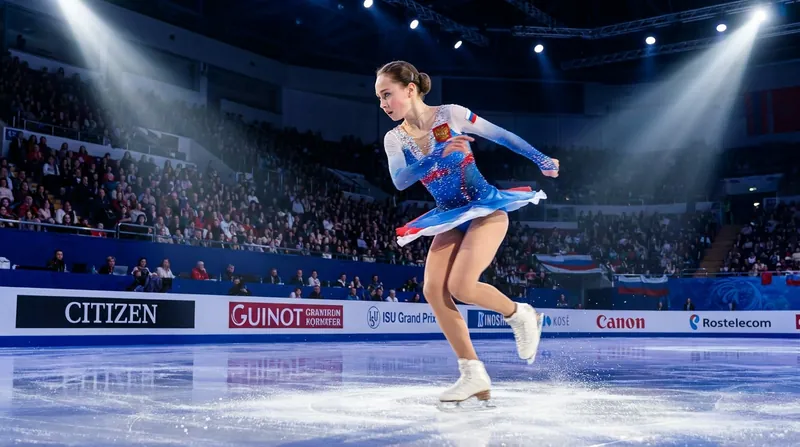
The Race for Supremacy: USA and Japan Command the Top 10 in the ISU Women's World Standings
5 sources
Injury
Gabrielle Daleman Returns to the Grand Prix Circuit After Three-Year Injury Battle
6 sources

Standings
The Race for Number One: Miura and Kihara Hold Off Hase and Volodin Atop the ISU Pairs World Standings
5 sources

Comments
Every angle. Every day.
Get Sports stories with full source coverage and perspective breakdowns, free every day.