
The Mechanics of the Worldwide Caution: How Escalating Middle East Tensions Reshape Global Travel Security
The U.S. State Department's rare 'Worldwide Caution' alert remains in effect following heightened Middle East tensions, prompting travelers and universities to reassess global security protocols.

Share this story
The short version stated plainly: The U.S. State Department's rare "Worldwide Caution" remains in full effect, urging Americans abroad to heighten their vigilance as tensions in the Middle East ripple outward. Issued in late July 2026 following U.S. combat operations in Iran, the sweeping directive is not a mandate to cancel summer plans, but a formal signal that the global security environment has fundamentally shifted.
Unlike country-specific advisories that target localized unrest, this broad alert applies to citizens everywhere, reflecting the reality that modern geopolitical conflicts rarely stay confined to their borders. It serves as a stark reminder that international travel currently requires a more proactive approach to personal security.[1][7]
For the millions of Americans navigating international terminals this August, the caution translates into concrete, sensory changes to their travel routines. It means double-checking that your phone is fully charged for sudden itinerary alerts, keeping a physical copy of your passport in your day bag, and mentally mapping the exits when moving through crowded overseas transit hubs.
The core message from officials is awareness, not alarm. They are asking travelers to maintain a low profile, avoid clothing or loud conversations that mark them as obvious targets, and steer clear of places heavily associated with the United States when local tensions run high. It is about replacing travel anxiety with practical, usable preparation.[4]
The immediate catalyst for the alert was the escalation of military activity in the Middle East, which has created a complex and rapidly evolving security landscape. The State Department explicitly warned that U.S. diplomatic facilities and other American interests overseas could be targeted by groups supportive of Iran.
This elevated risk profile prompted the government to issue one of its broadest security alerts, a measure typically reserved for significant moments of global instability, such as the aftermath of major terrorist attacks or sudden regional wars. The alert underscores that the threat is not just theoretical, but tied to specific, ongoing geopolitical maneuvers.[3][7]
For those currently in or traveling through the Middle East, the guidance is stark and immediate: exercise heightened vigilance and prepare for sudden flight cancellations, periodic airspace closures, and severe travel disruptions. Several airlines operating in the region have already postponed the resumption of earlier flight schedules or canceled routes entirely, leaving travelers scrambling to find alternative connections.
Officials are urging anyone outside the Middle East to reconsider travel to and through the region until the security environment stabilizes, noting that the airspace above conflict zones can close with little to no warning.[1][7]
But the caution extends far beyond the immediate conflict zone, acknowledging that global security environments are deeply interconnected. Heightened tensions in one region can easily spark demonstrations in other countries, trigger increased security measures at airports worldwide, and elevate risks in locations frequently visited by international travelers.
Because major international airports serve as global transit points, disruptions or security concerns in the Middle East can quickly affect flight routes, airspace access, and airline operations across Europe and Asia. A delayed flight in Dubai can easily cascade into missed connections in London or Singapore.[6]
Corporate immigration and tax advisors are actively urging expatriates and business travelers to confirm their logistics are in order. While a Worldwide Caution does not alter a traveler's visa or legal residency status anywhere, it serves as a critical prompt to review emergency plans, especially for those living far from a U.S. embassy.
Advisors stress the importance of building extra flexibility into travel routes, anticipating that airspace closures tied to Middle East tensions have already rippled out to routes well beyond the region. They recommend keeping emergency funds accessible and ensuring all travel documents are valid well beyond the intended return date.[2][4]
Universities with robust study-abroad programs are also adapting to the prolonged alert, ensuring their students remain safe without halting educational travel. Institutions like the University of Illinois and Ohio University have integrated the Worldwide Caution into their safety briefings, reminding students and faculty that while university-sponsored travel is not broadly suspended, participants must maintain strict situational awareness.
These institutions require travelers to secure international insurance and treat the global alert as a necessary lesson in navigating complex geopolitical environments, regardless of their destination's specific advisory level. The goal is to build capable, informed travelers rather than fearful ones.[5][6]
The primary actionable advice across all channels—from government officials to corporate advisors—is immediate enrollment in the Smart Traveler Enrollment Program (STEP). This free service allows U.S. embassies to push real-time security updates directly to travelers' phones and provides officials with the necessary information to locate citizens during an emergency.
In an era where conditions can change overnight, having a direct line to consular services is considered the most effective tool for mitigating travel risk. It transforms a traveler from an isolated individual into a connected citizen with access to federal resources.[1][2][7]
Looking ahead, the travel industry expects these heightened security postures to persist through the fall. Travelers are advised to build extra flexibility into their itineraries, anticipate potential delays, and monitor the State Department's official channels for rapid alerts as the geopolitical situation continues to unfold.
By shifting from passive vacationers to active participants in their own security, Americans can continue to explore the globe safely, armed with the knowledge and preparation needed to navigate an unpredictable world. The Worldwide Caution is ultimately a tool for empowerment, ensuring that those who travel do so with their eyes wide open.[2][4]
Key points
- The U.S. State Department's Worldwide Caution remains in effect, urging Americans abroad to exercise increased vigilance.
- The alert stems from heightened tensions in the Middle East and the potential for targeted actions against U.S. interests globally.
- Travelers are advised to anticipate flight cancellations and airspace closures, particularly when routing through the Middle East.
- Enrollment in the Smart Traveler Enrollment Program (STEP) is heavily recommended for receiving real-time consular updates.
How we got here
July 18, 2026
The U.S. State Department issues a rare Worldwide Caution travel advisory amid escalating conflict in the Middle East.
July 20, 2026
The advisory is formally updated, explicitly warning that U.S. diplomatic facilities and interests overseas could be targeted.
August 2026
The caution remains in standing effect, prompting universities and corporate travel advisors to integrate the alert into their fall travel protocols.
- Diplomatic & Security Officials
- Prioritizes broad threat mitigation and rapid communication for citizens abroad.
- Institutional Travel Planners
- Focuses on compliance and preparedness without halting educational travel.
- Corporate & Expatriate Advisors
- Emphasizes logistical resilience and documentation security for business travelers.
- General Travelers
- Seeks practical guidance on navigating disruptions and staying safe while abroad.
Perspectives this story doesn't cover
- Airlines managing sudden route cancellations
- Travel insurance providers adjusting coverage policies
Sources
Source coverage
7 outlets
4 viewpoints surfaced






- [1]Fast CompanyGeneral Travelers
State Department issues 'worldwide caution' travel advisory amid Middle East tensions
Read on Fast Company → - [2]Envoy GlobalCorporate & Expatriate Advisors
State Department Issues Worldwide Caution for U.S. Citizens
Read on Envoy Global → - [3]U.S. Embassy in the UKDiplomatic & Security Officials
Security Alert: Worldwide Caution for U.S. Citizens – July 20, 2026
Read on U.S. Embassy in the UK → - [4]Greenback Tax ServicesCorporate & Expatriate Advisors
The State Department Issued a Worldwide Caution for U.S. Citizens Abroad
Read on Greenback Tax Services → - [5]University of IllinoisInstitutional Travel Planners
Standing Worldwide Caution Updated on July 20, 2026
Read on University of Illinois → - [6]Ohio UniversityInstitutional Travel Planners
Worldwide Travel Caution Issued by the U.S. State Department
Read on Ohio University → - [7]U.S. Department of StateDiplomatic & Security Officials
Worldwide Caution for U.S. Citizens
Read on U.S. Department of State →
More in Travel
See all →EES Rollout
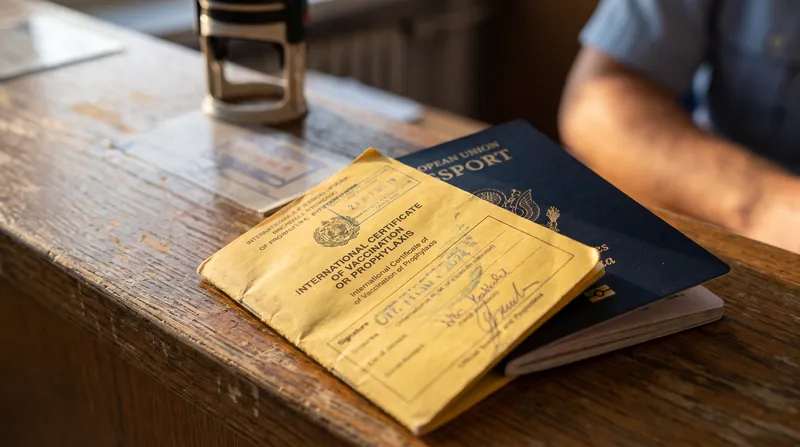
Nine EU Countries Delay Full Implementation of Biometric Entry/Exit System Due to Technical Failures
3 sources
Travel Advisories
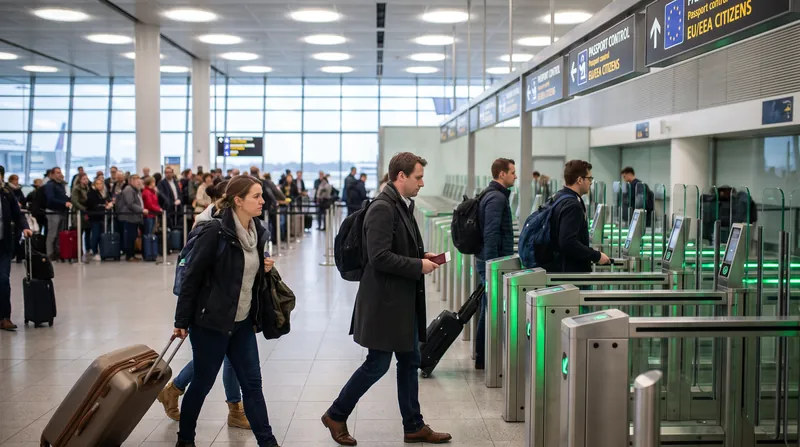
US State Department Expands China Travel Warning Over Exit Bans and Digital Surveillance
6 sources
Cabin Air Quality
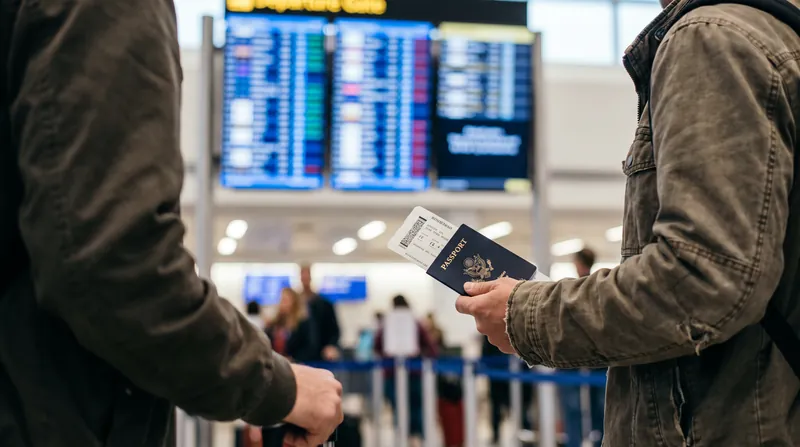
The 3-Minute Turnover: How Commercial Aircraft Actually Filter and Replace Cabin Air During Flight
3 sources

Himalayan Travel
Nepal Completes Mass Airlift of 4,040 Trekkers and Workers Following Himalayan Floods
6 sources
Comments
Every angle. Every day.
Get Travel stories with full source coverage and perspective breakdowns, free every day.