
The Cellular Fix: How Regenerative Aesthetics and Salmon DNA Are Replacing Traditional Fillers
Aesthetic medicine is shifting away from artificial volume toward regenerative treatments like polynucleotides, which use purified salmon DNA to stimulate the skin's natural cellular repair.

Share this story
In short
- Polynucleotides are purified DNA fragments derived from salmon that stimulate the skin's natural repair processes.
- Unlike traditional fillers, they do not add artificial volume, but instead instruct cells to produce new collagen and elastin.
- The treatment addresses 'filler fatigue,' offering a gradual, natural alternative to the overfilled aesthetic.
For over a decade, the aesthetic medicine industry was defined by volume. Hyaluronic acid fillers offered instant gratification, plumping cheeks, lips, and jawlines in a matter of minutes. But as we move through 2026, a phenomenon known as "filler fatigue" has reached a tipping point. Patients are increasingly dissolving their old fillers, exhausted by the "overfilled" or distorted look that can accumulate over years of repeated injections.[1]
In its place, a new paradigm has taken hold: regenerative aesthetics. Rather than mechanically stretching the skin or temporarily paralyzing muscles, this approach focuses on cellular repair. The goal is no longer to alter facial architecture, but to optimize the biological function of the tissue itself.
At the forefront of this shift is a treatment that has captured viral attention under a rather unglamorous nickname: the "salmon sperm facial." Clinically known as polynucleotide (PN) or polydeoxyribonucleotide (PDRN) therapy, these injectables are rapidly replacing traditional fillers as the gold standard for anti-aging and skin rejuvenation.
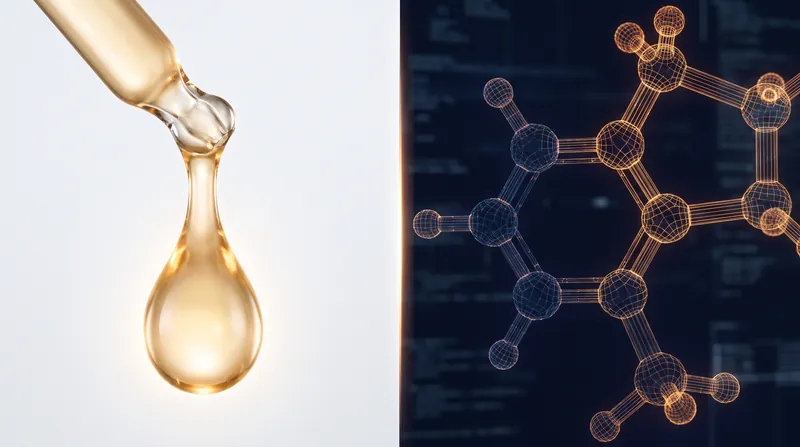
Despite the sensationalized moniker, polynucleotides are highly refined, pharmaceutical-grade molecules. They are long-chain DNA fragments extracted primarily from the reproductive tissues of salmon or trout. The science behind this choice is rooted in evolutionary biology: salmon DNA shares approximately 95% structural homology with human DNA.
This remarkable similarity means that when these purified DNA fragments are introduced into human tissue, the body recognizes them as endogenous—or naturally occurring—material. The extraction process is rigorous, stripping away all cellular matter, proteins, and potential contaminants. What remains is a pure nucleotide chain that carries no risk of genetic mutation, but serves as a powerful biological messenger.
The mechanism of action is where polynucleotides fundamentally diverge from traditional injectables. When injected into the dermis, these DNA fragments bind to specific cell surface receptors, primarily the adenosine A2A receptors. This binding triggers a cascade of anti-inflammatory signaling and growth factor release.[2]
Most importantly, this receptor activation acts as a direct signal to the skin's fibroblasts. Fibroblasts are the specialized repair cells responsible for producing collagen and elastin—the structural proteins that give young skin its firmness and elasticity. As we age, fibroblast activity naturally slows down. Polynucleotides effectively wake these cells up, instructing them to resume high-level production.
This cellular signaling contrasts sharply with the mechanics of traditional dermal fillers. A hyaluronic acid filler acts as an inert implant; it physically occupies space beneath the skin to push wrinkles outward. While effective for immediate contouring, it does nothing to improve the underlying health of the skin. Polynucleotides, on the other hand, do not add artificial volume. They rebuild the skin's structural integrity from the inside out.
Patients often confuse polynucleotides with other popular skin boosters, such as Profhilo. While both are injectable treatments aimed at skin quality, their biological roles are distinct. Profhilo uses uncrosslinked hyaluronic acid to flood the extracellular matrix with deep hydration, creating an optimal environment for cells to thrive. Polynucleotides go a step further by reaching into the cell itself and changing its operational instructions.
Because polynucleotides rely on the body's own biological processes, the results are not instantaneous. The treatment requires patience. A standard protocol typically involves three to four sessions spaced several weeks apart. Patients usually begin to notice improved hydration within the first two weeks, but the true regenerative effects—firmer, thicker, and more elastic skin—take three to four weeks to materialize as new collagen is synthesized.
The longevity of these results is a significant draw. While traditional fillers are metabolized and disappear within six to twelve months, the structural improvements generated by polynucleotides can last 12 to 24 months. The skin is genuinely healthier, meaning the baseline quality remains elevated even as the natural aging process continues.[1]
While the aesthetic application of polynucleotides feels novel in 2026, the underlying science is heavily validated. PDRN received pharmaceutical approval in Italy as early as 1994 for the treatment of severe wounds, skin ulcers, and connective tissue disorders. It has spent three decades in hospital burn units and diabetic care centers, building a robust clinical evidence base for tissue repair before ever entering a cosmetic clinic.[2]
Despite this strong safety profile, there are areas of clinical caution. Because the raw material is derived from fish, most practitioners exercise extreme care with patients who have severe fish or seafood allergies. Although the purification process removes the proteins that typically trigger allergic reactions, the theoretical risk means it is often contraindicated for highly allergic individuals, as well as pregnant or breastfeeding women.
Furthermore, the regulatory landscape remains fragmented. While polynucleotides are fully approved and widely used across Europe, the UK, and South Korea, the U.S. Food and Drug Administration (FDA) has been slower to classify and approve certain regenerative injectables, leaving some products in an investigational gray area in American clinics.[2]
Ultimately, the rise of polynucleotides represents a maturation of the aesthetic industry. Providers are increasingly using them as a "primer" for the skin—optimizing tissue health before considering any structural enhancements. By prioritizing regeneration over correction, the new standard of anti-aging is not about looking like someone else, but about helping your own skin function exactly as it did years ago.[1]
Key terms
- Polynucleotides (PN)
- Long-chain DNA fragments, typically derived from salmon, used in aesthetic medicine to stimulate cellular repair.
- Fibroblasts
- Specialized cells in the dermis responsible for producing collagen and elastin.
- Extracellular Matrix (ECM)
- The three-dimensional network of macromolecules, such as collagen and enzymes, that provide structural and biochemical support to surrounding cells.
- Biostimulator
- A substance injected into the skin that encourages the body to produce its own natural tissue, such as collagen.
- Adenosine A2A Receptors
- Specific proteins on the surface of cells that, when activated by polynucleotides, trigger anti-inflammatory and tissue-repair responses.
Reader questions
What exactly is a polynucleotide treatment?
It is an injectable regenerative therapy that uses purified DNA fragments, typically from salmon, to stimulate the skin's cells to repair tissue and produce collagen.
Does it add volume to the face like a filler?
No. Polynucleotides do not act as mechanical implants to add volume. They improve the thickness, elasticity, and overall quality of the skin itself.
Is the treatment safe for people with fish allergies?
While the purification process removes the proteins that cause allergic reactions, most clinics still advise against the treatment for individuals with severe fish or seafood allergies as a precaution.
How long does it take to see results?
Because the treatment relies on the body's natural collagen production, visible improvements in skin firmness and texture typically take three to four weeks to appear.
Where opinion splits
Regenerative Practitioners
Clinicians focused on cellular repair and long-term tissue health.
This camp argues that the era of mechanical volume is over. They view traditional fillers as outdated 'band-aids' that stretch the skin and eventually lead to facial distortion. Instead, they advocate for treatments that stimulate the body's own fibroblasts, arguing that true anti-aging comes from restoring the extracellular matrix and improving the biological function of the skin itself.
Traditional Aesthetic Providers
Practitioners who maintain that traditional fillers still have a crucial role in structural contouring.
While acknowledging the benefits of regenerative medicine, these providers caution against abandoning hyaluronic acid entirely. They argue that polynucleotides cannot replace lost bone density or deep fat pads. In their view, regenerative treatments are excellent for skin quality, but traditional fillers remain necessary for patients requiring actual structural support and immediate volume restoration.
Patient Advocates for Natural Aging
Consumers pushing back against the 'overfilled' aesthetic of the past decade.
This demographic is driving the surge in filler-dissolving procedures. They value authenticity and are willing to wait weeks for gradual, subtle improvements rather than accepting the instant but often artificial look of traditional injectables. For them, the appeal of salmon DNA lies in its biocompatibility and the promise of simply looking like a healthier version of themselves.
- Regenerative Practitioners
- Clinicians focused on cellular repair and long-term tissue health.
- Patient Advocates for Natural Aging
- Consumers pushing back against the 'overfilled' aesthetic of the past decade.
- Traditional Aesthetic Providers
- Practitioners who maintain that traditional fillers still have a crucial role in structural contouring.
Perspectives this story doesn't cover
- Vegan and cruelty-free consumers who object to animal-derived aesthetic products
Sources
Source coverage
2 outlets
3 viewpoints surfaced


- [1]La Belle Vie ClinicTraditional Aesthetic Providers
2026 Aesthetic Trends: Regenerative Medicine
Read on La Belle Vie Clinic → - [2]Factlen Editorial TeamRegenerative Practitioners
Synthesis by Factlen editorial team
Read on Factlen Editorial Team →
More in Lifestyle
See all →Cosmetic Safety
FDA Moves to Ban Formaldehyde From All Hair Straightening and Smoothing Products
2 sources

Cosmetic Safety
The Mandatory Recall: How the FDA's New Cosmetic Safety Authority Ends 80 Years of Industry Self-Regulation
3 sources

Sunscreen Tech
FDA Approves Bemotrizinol, the First New Sunscreen Active Ingredient in Nearly 30 Years
3 sources
Scalp Science
Why the Skinification of Haircare Treats Scalp Biology Rather Than Dead Strands
4 sources

Comments
Every angle. Every day.
Get Lifestyle stories with full source coverage and perspective breakdowns, free every day.