
Scotland's Darcey Carter Becomes Leading Run-Scorer at T20 World Cup with Unbeaten 72 Against New Zealand
The 21-year-old Scottish opener carried her bat to anchor a highly competitive 131 for 7 against the defending champions, highlighting the rapidly closing gap in global women's cricket.

Share this story
When 21-year-old Darcey Carter walked off the pitch at the Bristol County Ground, she had not just anchored an innings; she had rewritten the expectations for Associate Nation batters on the global stage. Carrying her bat through the entire twenty overs, the Scottish opener compiled a masterful, unbeaten 72 against defending champions New Zealand.[1][2]
The innings propelled Scotland to a highly competitive 131 for 7 in a must-win group stage encounter at the 2026 ICC Women's T20 World Cup. More significantly, it vaulted Carter to the top of the tournament's run-scoring charts—an unprecedented milestone for a player outside the traditional, fully-funded Test-playing nations.[1][3]
To understand the magnitude of Carter's achievement, one must look at the mechanics of her innings against a bowling attack feared across the women's game. Asked to bat first, Scotland needed a statement of intent. Carter provided it immediately, taking the attack to the New Zealand bowlers from the very first over.[2]
She raced to 35 off just 18 deliveries, exploiting the fielding restrictions of the powerplay with a blend of elegant, traditional strokeplay and aggressive, modern T20 power. When New Zealand's fielders faltered, dropping early chances, Carter made them pay ruthlessly, punishing loose deliveries and rotating the strike to keep the scoreboard moving.[2][3]
Observers noted that the right-hander combined elegant strokeplay with smart running between the wickets, highlighting a maturity that belied her 21 years. This was not a reckless slog; it was a calculated dismantling of a championship-winning bowling unit.[2]
The defending champions, staring down the barrel of a potential group-stage exit, were forced to dig deep. New Zealand skipper Amelia Kerr and veteran pacer Lea Tahuhu spearheaded a desperate fightback in the closing overs to keep the target within reach.[2]
Tahuhu provided the crucial initial breakthrough by dismissing Katherine Fraser, who had helped Carter build a steady 45-run opening partnership. Kerr then struck a vital blow by removing Scotland's captain, Kathryn Bryce, triggering a late collapse that prevented the Scots from fully capitalizing on Carter's explosive start.[2]
Despite the flurry of wickets falling at the other end, Carter remained an immovable object. Her ability to bat through the innings—facing elite spinners like Kerr and seasoned quicks like Sophie Devine—demonstrates a technical solidity that is becoming the hallmark of the new Scottish setup.[2]
Carter’s journey to the top of the World Cup run charts is a testament to both her individual talent and the structural evolution of Associate cricket. Born in Greater London and coming through the Kent talent pathway, she qualifies for Scotland through her mother's heritage.
Since making her senior international debut in July 2023, her rise has been meteoric. She quickly established herself as a versatile spin-bowling all-rounder, eventually signing a permanent contract with Lancashire ahead of the 2025 season.
A pivotal tactical shift occurred when Scottish management moved Carter to the top of the batting order. Initially utilized in various middle-order roles, her promotion to opener unlocked a fearless brand of cricket. This was previewed during the ICC Emerging Women's Trophy in late 2025, where she dominated attacks and secured multiple Player of the Match awards.
The broader significance of Carter's Bristol masterclass lies in what it represents for the global women's game. Historically, the gulf in resources, funding, and exposure between Full Members like Australia, England, and New Zealand, and Associate Nations like Scotland, resulted in heavily one-sided World Cup encounters.[1]
Initiatives designed to bridge this gap—such as expanded qualifying tournaments and the Emerging Women's Trophy—are now bearing fruit. Players like Carter are arriving at World Cups not just to participate, but to dictate terms to the establishment.
For New Zealand, the scare in Bristol underscores the intense pressure of defending a world title in an increasingly competitive landscape. With semi-final spots on the line and heavyweights like Australia looming, the margin for error has vanished for traditional powerhouses.
Regardless of how the final group standings shake out, Darcey Carter's unbeaten 72 will be remembered as a watershed moment. It serves as a definitive blueprint for Associate batters: play without fear, punish mistakes, and prove that talent, when given the platform, respects no historical hierarchy.[1][2]
Key points
- 21-year-old Scottish opener Darcey Carter scored an unbeaten 72 against defending champions New Zealand.
- The innings made Carter the leading run-scorer of the 2026 ICC Women's T20 World Cup to date.
- Scotland posted a highly competitive 131 for 7, anchored by Carter's aggressive powerplay batting.
- New Zealand fought back late in the innings, with Amelia Kerr and Lea Tahuhu triggering a collapse.
- The performance highlights the rapidly closing gap between Associate Nations and traditional cricket powerhouses.
How we got here
July 2023
Darcey Carter makes her senior T20 International debut for Scotland against Thailand.
May 2024
Scotland makes history by qualifying for their first senior ICC Women's World Cup.
November 2025
Carter dominates the ICC Emerging Women's Trophy, winning three consecutive Player of the Match awards.
June 23, 2026
Carter scores an unbeaten 72 against New Zealand, becoming the T20 World Cup's leading run-scorer.
- Associate Nation Advocates
- Highlighting the success of development pathways and the closing of the global talent gap.
- Traditional Powerhouses
- Focusing on the mounting pressure faced by established teams in a rapidly evolving landscape.
- Tactical Analysts
- Analyzing the strategic shift toward aggressive top-order batting in the modern women's game.
Perspectives this story doesn't cover
- New Zealand coaching staff on their early fielding lapses
- Grassroots cricket organizers in Scotland
Sources
Source coverage
3 outlets
3 viewpoints surfaced



- [1]BBC SportAssociate Nation Advocates
Carter becomes leading run-scorer at T20 World Cup after NZ performance
Read on BBC Sport → - [2]Cric-MateTactical Analysts
Darcey Carter Unbeaten 72 Guides Scotland to 131 Against New Zealand in Womens T20 World Cup
Read on Cric-Mate → - [3]Social News XYZTactical Analysts
Women's T20 WC: Darcey Carter's unbeaten 72 helps Scotland post 131 against NZ
Read on Social News XYZ →
More in Sports
See all →Recap
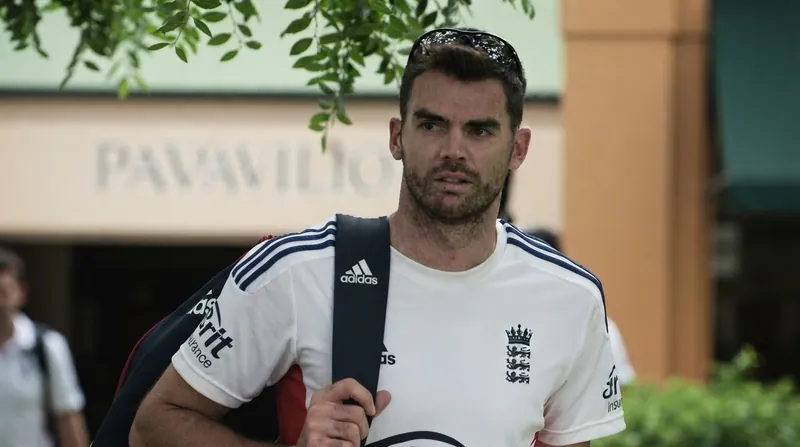
Six Centuries in a Single Day: Global ODI Run-Fest Rewrites Cricket Record Books
7 sources
Power ranking
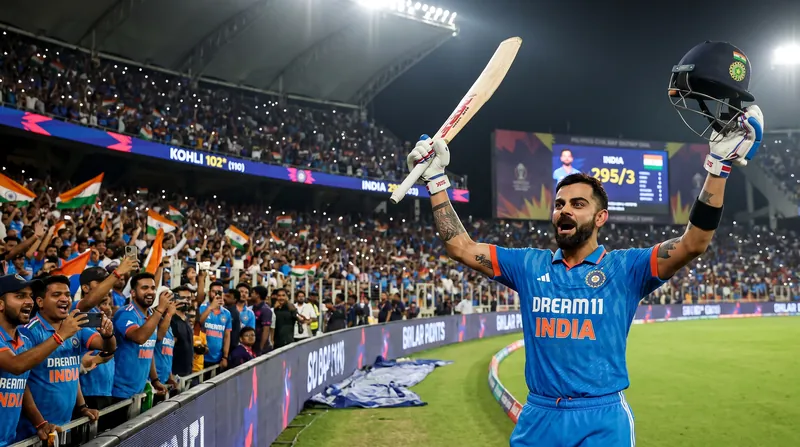
Global Cricket Power Rankings: The Hottest ODI Teams in the World Right Now
5 sources
Standings
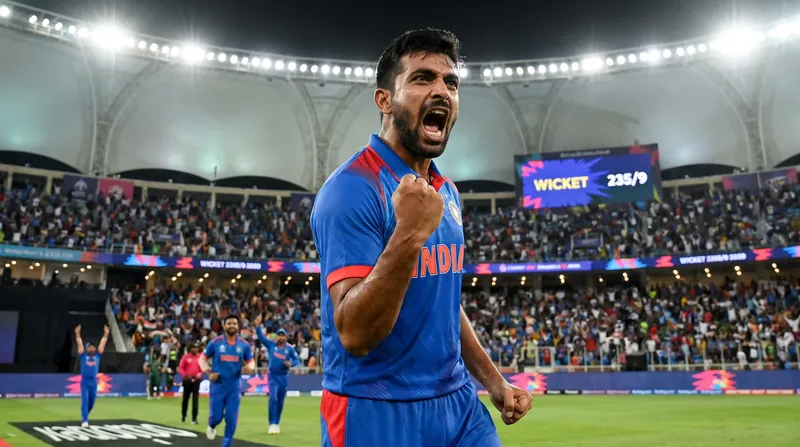
Four-Way Tie at the Summit: Net Run Rate Decides Historic ETPL Playoff Bracket
6 sources
Sports Analytics
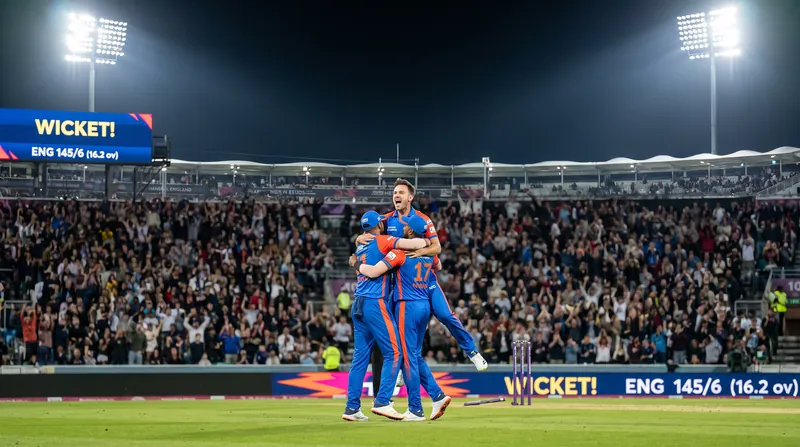
The Resource Percentage Tables and the Target Calculation That Define the Duckworth-Lewis-Stern Method
6 sources
Comments
Every angle. Every day.
Get Sports stories with full source coverage and perspective breakdowns, free every day.