
Mid-Summer Injury Report: Lin Shidong's Shoulder Rehab and WTT's Schedule Reforms Reshape the 2026 Tour
As top players like Lin Shidong and Truls Möregårdh manage significant mid-season injuries, World Table Tennis has introduced new schedule limits to protect athlete health. The reforms follow a grueling stretch that saw multiple world number ones sidelined, signaling a new era of workload management in the sport.
By Omar Haddad

Share this story
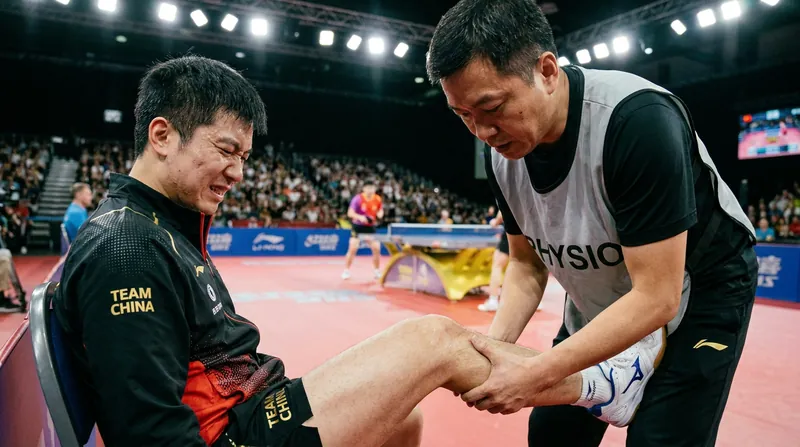
The grueling nature of the modern table tennis calendar has taken a visible physical toll on the sport's elite in 2026, but governing bodies and medical staffs are finally stepping in to prioritize longevity. With high-profile stars like China's Lin Shidong and Sweden's Truls Möregårdh navigating complex rehabilitation programs this summer, World Table Tennis (WTT) has shifted its institutional focus toward sustainable workload management.
The rapid lateral footwork and explosive upper-body torque required at the professional level generate immense cumulative strain, turning what is often perceived as a low-impact sport into a gauntlet of chronic joint and tendon risks. As the summer circuit accelerates, the narrative across the tour has decisively shifted from playing through pain to protecting the athletes who drive the sport's global appeal.[1][2]
While casual observers often perceive table tennis as a gentle, low-impact recreational activity, the biomechanical reality of the professional game is deceptively punishing. A competitive forehand smash can generate racket speeds exceeding 100 kilometers per hour, driven almost entirely by explosive wrist and shoulder torque.
When multiplied by thousands of repetitions per week, the cumulative load on the upper extremities rivals that of tennis or baseball. Furthermore, the sport is inherently asymmetric, forcing the trunk to rotate repeatedly in one direction while the lower body absorbs massive impact forces through constant lateral shuffles and lunges on hard flooring.
At the center of the current injury landscape is former world No. 1 Lin Shidong, who has endured a challenging physical stretch. The Chinese phenom was forced to withdraw from both the WTT Champions Chongqing and the ITTF World Cup in Macau due to a significant right shoulder injury.
Medical evaluations revealed a partial tear of his rotator cuff, a classic overuse injury in table tennis stemming from the repetitive acceleration and deceleration of aggressive forehand drives and smashes. National team physicians have opted for a conservative rehabilitation approach, prioritizing his long-term structural health over immediate tournament results as China looks ahead to the World Team Championships.[2]
In Europe, Swedish standout Truls Möregårdh is navigating his own delicate physical balancing act. The Olympic medalist continues to manage a chronic knee issue that previously forced his withdrawal from the European Team Championships. Imaging confirmed severe overexertion in a joint he has already had operated on twice due to a genetic inability to produce cartilage.
Because the table tennis ready position requires sustained knee flexion—combined with thousands of rapid lateral shuffles per week—Möregårdh and the Swedish medical staff have implemented a highly customized load-management protocol to keep him competitive through the dense 2026 summer calendar without risking permanent joint degradation.
This heightened caution across the international tour stems directly from a dramatic sequence of events at the end of the 2025 season, which served as a wake-up call for the sport's administrators. During the WTT Finals in Hong Kong, both World No. 1s—Wang Chuqin and Sun Yingsha—were forced to withdraw mid-tournament due to acute physical breakdowns.
Wang battled severe, debilitating back pain, while Sun suffered a secondary injury to her anterior fibular ligament and developed severe plantar fasciitis. Their high-profile exits sparked widespread criticism regarding the "Top Committed" rules, which obligate highly ranked players to participate in a relentless slate of Grand Smash and Champions events.
Beyond the physical damage, sports psychologists and medical staffs are increasingly addressing the mental toll of chronic table tennis injuries. The pressure to maintain ranking points under the dense event calendar creates a cycle where physical pain generates psychological stress, which in turn elevates cortisol levels and further weakens the body's recovery mechanisms.
When players go straight from the treatment table back into high-stakes tournaments, the sudden stress spike often overwhelms their nervous systems. Recognizing this hidden connection, top athletes are now incorporating mindfulness, body scanning, and stress inoculation into their rehab protocols to ensure they are mentally prepared to trust their bodies upon return.
The benefits of this holistic, patient approach to recovery were vividly demonstrated by World No. 1 Sun Yingsha earlier this year. After her ankle gave out in Hong Kong, medical staff diagnosed a secondary ligament injury compounded by severe plantar fasciitis.
Rather than rushing back to the table, Sun committed to an eight-week absence to thoroughly rehabilitate her foot. The patience paid off spectacularly when she returned to capture the Asian Cup women's singles title in Haikou, proving to her peers that a structured, unhurried rehab period can fully restore peak explosive movement without lingering compensation habits.
Domestic leagues have also recognized their responsibility in breaking the cycle of overuse. In the aftermath of the winter injury wave, managers in the Chinese Table Tennis Super League took unprecedented steps to protect their international stars.
Clubs like Wang Chuqin's Shandong Weiqiao and Sun Yingsha's Shenzhen University proactively rested their marquee players during critical domestic ties, allowing them to remain spectators while their bodies healed. Former national team players publicly praised the clubs for prioritizing long-term athlete welfare over immediate league standings, noting that a week of rest is often the difference between a minor strain and a surgical intervention.
Recognizing the undeniable physical toll of the modern schedule, WTT has proactively altered its tournament structures for the remainder of 2026. To prevent a repeat of last winter's attrition, the season-ending WTT Finals will be officially extended to six days, providing players with essential recovery time between high-stakes matches.
Furthermore, the mixed doubles competition has been strictly limited to an eight-team knockout format, eliminating the grueling group stages that previously forced athletes to play up to three matches in a single day. These systemic reforms represent a landmark victory for player welfare.[1]
As the summer circuit continues, the global table tennis tour is evolving into a more sustainable environment for its biggest stars. By embracing comprehensive physical therapy, addressing the psychological components of recovery, and implementing institutional schedule safeguards, the sport is ensuring that elite athletes can thrill audiences without sacrificing their long-term health. The era of quietly playing through debilitating pain is slowly being replaced by a culture that champions longevity and holistic athlete care.[1]
Key points
- World No. 5 Lin Shidong is rehabilitating a partial rotator cuff tear after withdrawing from recent WTT events.
- Swedish star Truls Möregårdh is managing a chronic knee cartilage issue with a highly customized load-management protocol.
- Sun Yingsha successfully returned to win the Asian Cup following an eight-week absence for ankle and foot injuries.
- WTT has expanded the 2026 Finals to six days and limited mixed doubles to an eight-team knockout to protect player health.
How we got here
Late 2025
World No. 1s Wang Chuqin and Sun Yingsha withdraw from the WTT Finals due to acute injuries.
January 2026
WTT announces format changes to the season-ending Finals to limit player workload.
February 2026
Sun Yingsha successfully returns from an eight-week ankle rehab to win the Asian Cup.
March 2026
Lin Shidong withdraws from the ITTF World Cup in Macau with a rotator cuff tear.
July 2026
Top players and medical staffs embrace highly customized load-management protocols for the summer circuit.
- National Federations
- Focused on fielding top talent for major international events while balancing immediate tournament goals with long-term rehab.
- Player Welfare Advocates
- Argues that the dense WTT calendar causes chronic overuse injuries and praises the new schedule limits.
- Club Managers
- Prioritizes resting star players during domestic league play to ensure full recovery from international wear-and-tear.
Perspectives this story doesn't cover
- Tournament Broadcasters
- Equipment Sponsors
Sources
Source coverage
2 outlets
3 viewpoints surfaced


- [1]Butterfly OnlinePlayer Welfare Advocates
WTT Announces Finals Format Changes to Limit Player Workload
Read on Butterfly Online → - [2]PingArenaNational Federations
Lin Shidong Withdraws from Macau ITTF World Cup 2026
Read on PingArena →
More in Sports
See all →Standings
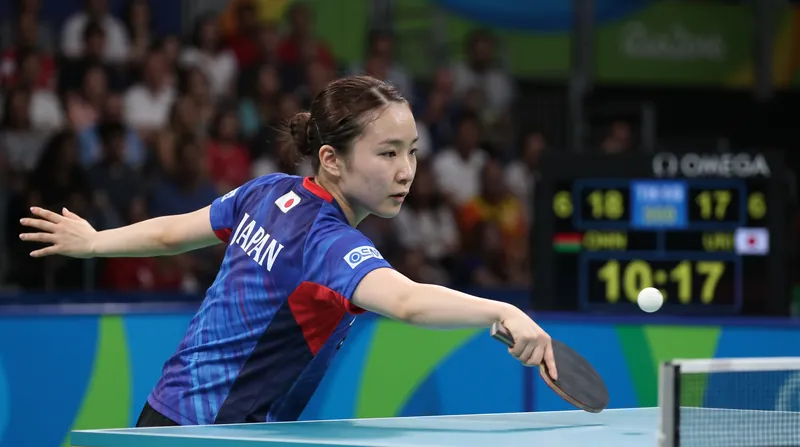
The Race to WTT Finals Hong Kong: Kuai Man and Satsuki Odo Ignite the Women's Standings with Summer Surges
6 sources
Standings
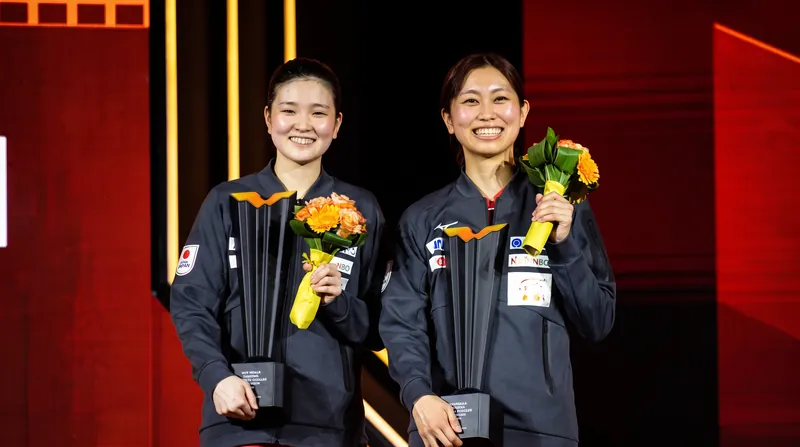
Race to WTT Finals Blown Wide Open as Lin Yun-Ju and Wen Ruibo Suffer Shock Exits in Yokohama
6 sources
Injury
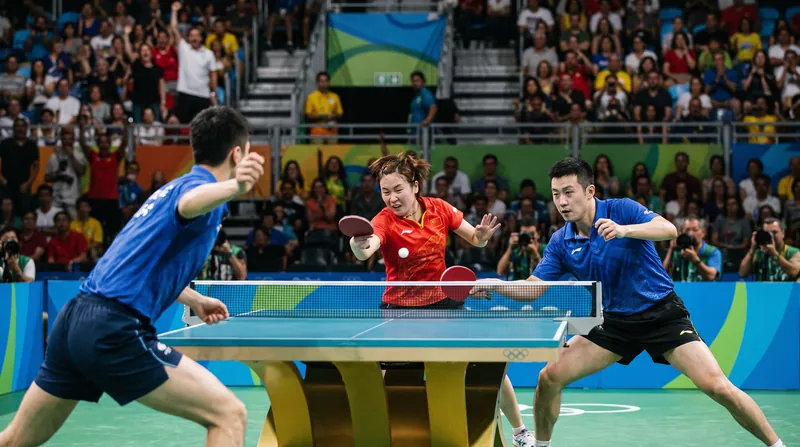
Global Table Tennis Injury Report: Shin Yubin's Knee Rehab and Harimoto's Strategic Rest Highlight a New Era of Recovery
4 sources
Injury
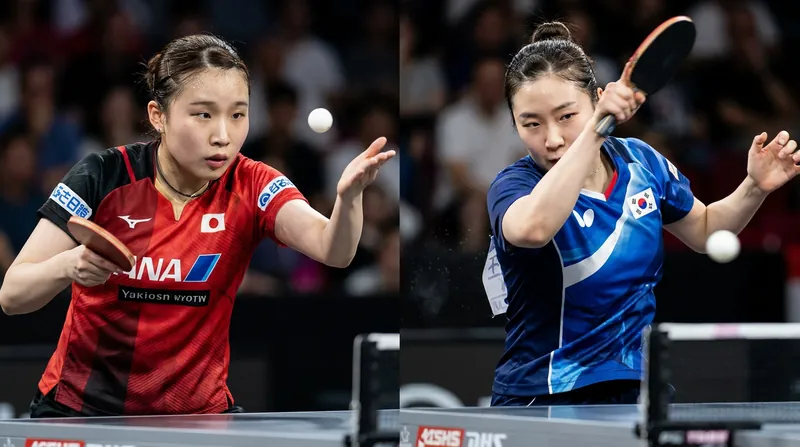
Global Table Tennis Injury Report: Benyamin Faraji's Knee Setback and the Tour's Mounting Physical Toll
2 sources
Comments
Every angle. Every day.
Get Sports stories with full source coverage and perspective breakdowns, free every day.