
Leaving an Electric Kettle Lid Open Bypasses the Steam Tube That Trips Its Base Bimetallic Switch
An open lid allows vapor to escape into the room instead of traveling down the internal steam tube, starving the mechanical shut-off switch of heat. The kettle will boil continuously until it runs dry and triggers a secondary catastrophic-failure fuse.
By Nabil Faris

Share this story
In short
- The primary shut-off switch in an electric kettle is triggered by steam pressure traveling down an internal tube, not by the temperature of the water itself.
- Leaving the lid open allows steam to escape into the room, starving the bimetallic sensor of heat and causing the kettle to boil continuously until empty.
- A secondary safety system, the dry-boil protector, monitors the heating element directly and cuts power to prevent a fire once the water has completely evaporated.
Leaving the lid open on an electric kettle does not just let heat escape into the kitchen; it actively disables the appliance's primary safety mechanism. The kettle will boil continuously until it runs completely dry, transforming a controlled water heater into an uncontrolled, high-wattage heating element.[1]
Most users naturally assume the kettle measures the temperature of the water to know exactly when to shut off. In reality, the primary switch is not triggered by water temperature at all. It relies on a highly specific sequence of pneumatic and mechanical events driven entirely by steam pressure.[2]
Inside the kettle, usually hidden within the handle or running down the inner wall, sits a narrow steam tube. This internal channel connects the airspace at the top of the boiling chamber directly to the electrical control unit housed safely in the base of the appliance.[1][2]
At the bottom of this tube lies a bimetallic disc, a temperature-sensitive mechanical device often manufactured by specialized companies like Strix. This disc is composed of two different metals, typically copper and steel, which are bonded tightly together into a shallow, curved shape.[3]
The bimetallic strip was originally pioneered by John Harrison in the 18th century to compensate for temperature changes in marine chronometers. In the context of the electric kettle, the modern bimetallic steam switch was patented by engineer John C. Taylor, revolutionizing everyday appliance safety.[1][2]
Because the two metals possess different thermal expansion coefficients, they react differently to heat. As the temperature rises, one metal expands faster than the other, creating immense internal mechanical stress within the bonded disc as it attempts to change its physical shape.[3]
The Mechanics of the Snap
When water reaches a vigorous boil, the closed lid forces pressurized steam down the internal tube. The steam rapidly heats the bimetallic disc to near 100°C, forcing the faster-expanding metal to overpower its partner and release the stored mechanical energy.[2]
"The ingeniously simple solution to the problem comes in the form of a two-layer bimetallic disk that 'flips' at a specific temperature," notes the Royal Academy of Engineering's Ingenia journal. This physical movement pushes against a lever that separates the electrical contacts, instantly cutting power.[2]
The sudden snap action is critical for electrical safety. If the contacts separated slowly, the heavy electrical current could arc across the shrinking gap, creating intense local heat that would quickly erode the metal contacts and destroy the switch mechanism entirely.[2]
Without this rapid separation, the 240-volt mains power common in many countries would easily bridge a slowly opening gap. This sustained electrical arc would weld the contacts together, permanently locking the kettle in the "on" position and creating a severe fire risk.[1][2]
When the lid remains open, the pneumatic seal of the boiling chamber is broken. Steam takes the path of least resistance, venting directly upward into the kitchen rather than being forced down the narrow internal tube toward the base of the kettle.[1]
Because the steam never reaches the base, the bimetallic disc remains near room temperature. The mechanical switch never receives the thermal energy required to snap, and the electrical circuit remains firmly closed while the water boils violently and escapes as vapor.[1][2]
The Path to Boiling Dry
Without the mechanical intervention of the bimetallic disc, the kettle continues to draw full power. A standard 1,500-watt to 3,000-watt heating element will aggressively boil the water, converting it entirely to vapor until the reservoir is completely empty.[1]
Once the water evaporates entirely, the heating element is no longer transferring its energy into a liquid. The temperature of the metal base spikes rapidly, far exceeding the normal 100°C boiling point of water and creating a severe thermal hazard for the surrounding plastic.[1]
To prevent a catastrophic fire, modern kettles feature a secondary safety system known as a dry-boil protector. This is a separate, independent bimetallic strip positioned directly against the heating element itself, rather than relying on the steam path for activation.
When the base temperature reaches a critical threshold, this secondary bimetallic strip expands and trips a backup switch. This cuts the power before the element can melt the kettle's housing or ignite nearby combustible materials on the kitchen counter.[1]
If the primary dry-boil bimetal fails to actuate, a thermal fuse serves as the ultimate, irreversible failsafe. It is a one-shot device designed to melt and permanently break the neutral line, meaning the appliance will require professional servicing or replacement once it operates.
Engineering for Altitude and Reliability
Placing a thermostat directly in the water seems simpler, but water boils at different temperatures depending on altitude and mineral content. At higher elevations, lower atmospheric pressure means water boils well below 100°C, which would confuse a fixed-temperature sensor.[2]
A steam-triggered system ensures the kettle only shuts off when a true, vigorous boil is achieved, regardless of the local boiling point. The control reacts to the continuous presence of hot vapor rather than assuming the water must reach one universal temperature.[2]
The mechanical reliability of these bimetallic systems is immense. Strix, a leading manufacturer of these thermostatic controls, produces safety components that are used more than one billion times daily across the globe to safely boil water in domestic and commercial settings.
The mechanical reliability of these bimetallic systems is immense.
These bimetallic switches are engineered to withstand thousands of heating and cooling cycles. Industry standards require the controls to exceed 12,000 cycles of normal operation without failing to snap and reset, ensuring years of daily use for the average consumer.
Maintenance and Interference
Even with the lid closed, the steam mechanism can be compromised by hard water. Limescale accumulation inside the steam tube can physically block the vapor path, delaying or completely preventing the primary shut-off mechanism from activating when the water boils.
"Limescale build-up is a common cause of auto shut-off issues, particularly in regions with hard water," notes appliance servicer Repair Tech. Regular descaling with acetic acid or commercial solutions dissolves these calcium carbonate deposits, restoring the clear pneumatic pathway required for the steam signal.
Conversely, severe scale on the heating element can act as a thermal insulator. This forces the element to run hotter than normal, sometimes triggering the secondary dry-boil protector before the water has actually finished boiling, resulting in a kettle that shuts off prematurely.
How we did this
- Method
- Comparing the thermal actuation triggers of the primary steam-sensing circuit against the secondary dry-boil circuit based on component specifications.
- What we found
- The primary shut-off is entirely dependent on internal vapor pressure rather than water temperature, meaning an open lid converts a temperature-controlled appliance into an uncontrolled continuous heater until the secondary catastrophic-failure fuse engages.
- What we worked from
- Primary steam thermostat trigger mechanism: Steam ducted via tube — Ingenia
- Secondary dry-boil protector trigger: Heat conducted directly from the element — Explain That Stuff
- Limits of this analysis
- This analysis applies to standard mechanical electric kettles and does not account for digital models that use submerged thermistors for variable temperature control.
Key terms
- Bimetallic strip
- A mechanical component made of two different metals bonded together that bends or snaps when heated due to unequal thermal expansion.
- Dry-boil protector
- A secondary safety switch that cuts power to the heating element if it detects temperatures exceeding the normal boiling point of water.
- Thermal fuse
- A one-shot safety device designed to melt and permanently break an electrical circuit if the appliance reaches a dangerously high temperature.
- Snap action
- A rapid mechanical movement used in switches to quickly separate electrical contacts, preventing sparks and electrical arcing.
- Pneumatic seal
- An airtight closure, such as a properly seated kettle lid, that forces pressurized steam to travel down a specific internal pathway.
Frequently asked
Why does my kettle shut off before the water boils?
Severe limescale on the heating element can act as an insulator, causing the metal base to overheat. This triggers the secondary dry-boil protector prematurely, shutting off the power before the water reaches a full boil.
Can an electric kettle catch fire if left open?
It is highly unlikely, though it will boil dry. Once the water evaporates, a secondary bimetallic strip against the heating element will trip, cutting the power to prevent the plastic housing from melting or igniting.
Does altitude affect the auto shut-off feature?
No. Because the bimetallic disc reacts to the presence of steam rather than a fixed water temperature, the kettle will still shut off properly at high altitudes where water boils below 100°C.
Why does the kettle click loudly when it finishes boiling?
The click is the sound of the bimetallic disc rapidly inverting its shape. This snap action is necessary to quickly separate the electrical contacts and prevent dangerous electrical arcing.
Viewpoints in depth
Mechanical Engineers
Advocates for robust, purely mechanical safety systems over electronic sensors.
Engineers favor the bimetallic steam switch because it operates independently of complex microprocessors and fragile electronic sensors. By relying on the fundamental physics of thermal expansion, the mechanism is immune to software bugs, voltage spikes, and electronic degradation. This mechanical simplicity is what allows a low-cost appliance to safely control 3,000 watts of power for over a decade without requiring calibration or software updates.
Appliance Repair Technicians
Focuses on the maintenance requirements and common failure points of the steam path.
Repair technicians frequently encounter kettles that fail to shut off, and they point to user maintenance rather than mechanical failure as the primary culprit. Hard water regions cause rapid calcium carbonate buildup inside the narrow steam tube, physically blocking the vapor from reaching the bimetallic disc. Technicians emphasize that regular descaling is not just about water taste; it is a critical safety requirement to keep the pneumatic signaling pathway clear.
Smart Home Manufacturers
Proponents of replacing mechanical switches with digital temperature probes and microcontrollers.
Manufacturers of modern 'smart' kettles argue that mechanical bimetallic switches are too rigid for specialty brewing. They advocate for digital thermistors submerged directly in the water, paired with microcontrollers that can hold specific temperatures for delicate green teas or pour-over coffee. While acknowledging the reliability of the mechanical snap-switch, they view it as a legacy technology that lacks the precision and connectivity demanded by contemporary connected kitchens.
- Mechanical Engineers
- Advocates for robust, purely mechanical safety systems over electronic sensors.
- Appliance Repair Technicians
- Focuses on the maintenance requirements and common failure points of the steam path.
- Smart Home Manufacturers
- Proponents of replacing mechanical switches with digital temperature probes and microcontrollers.
Perspectives this story doesn't cover
- Appliance Designers
- Fire Safety Inspectors
Sources
Source coverage
5 outlets
3 viewpoints surfaced





- [1]Explain That StuffMechanical Engineers
How do electric kettles work?
Read on Explain That Stuff → - [2]IngeniaMechanical Engineers
How do kettles know when to switch off?
Read on Ingenia → - [3]Wikipedia
Bimetallic strip
Read on Wikipedia → - [4]Merriam-Webster
Bimetallic Definition & Meaning
Read on Merriam-Webster → - [5]Factlen Editorial TeamSmart Home Manufacturers
Synthesis by Factlen editorial team
Read on Factlen Editorial Team →
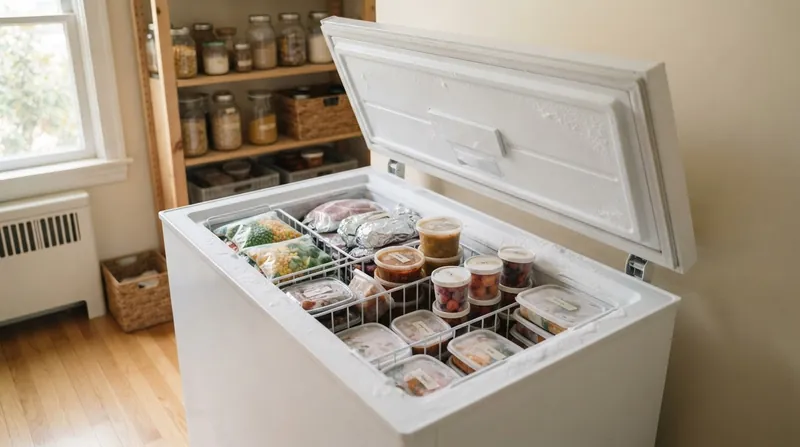
More in Shopping & Reviews
See all →Appliance Engineering
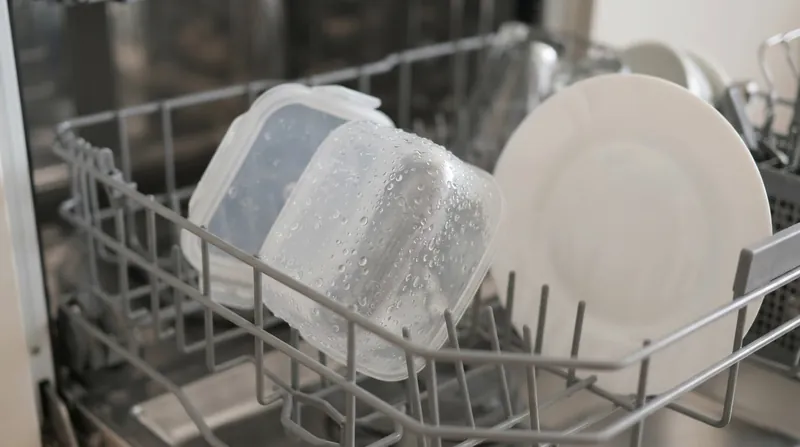
Low Thermal Mass Starves Evaporative Heat While Hydrophobic Surfaces Bead Droplets: Why Plastics Stay Wet in Dishwashers
4 sources
Appliance Specs
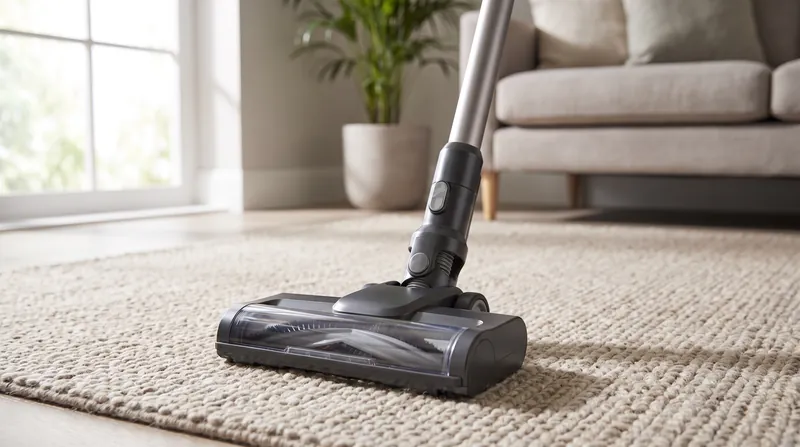
Air Watts vs. kPa: How Two Metrics Dictate a Vacuum Cleaner's Effective Suction and Cleaning Power
2 sources
Smart Appliances
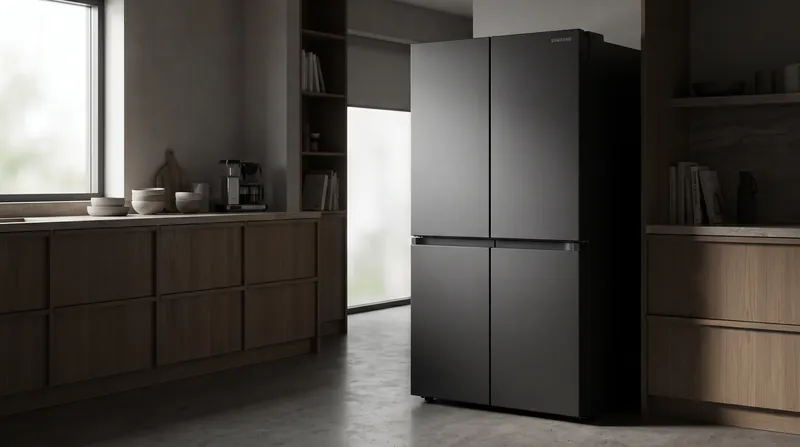
Samsung Halts Refrigerator Updates After Software Glitch Bricks Cooling and Lights
6 sources
Appliance Standards
Uniform Energy Factor (UEF) vs. First Hour Rating (FHR): How Two Numbers Dictate a Water Heater's Efficiency and Hot Water Availability
4 sources
Comments
Every angle. Every day.
Get Shopping & Reviews stories with full source coverage and perspective breakdowns, free every day.