
La Liga Summer Window Closes: Diomande and Jesus Headline €1.2 Billion Spend
Spanish top-flight clubs committed €1.2 billion during the summer transfer window, with Barcelona's €10 million acquisition of Gabriel Jesus and heavy investments from Real Madrid driving 70% of the total outlay.
By Meera Iyer

Share this story
On September 1, 2026, the Spanish transfer window officially shut, finalizing a summer where La Liga clubs committed a combined €1.2 billion in new player acquisitions. The deadline-day scramble cemented a dramatic shift in the league's financial posture, breaking years of strict austerity and signaling a return to global market aggression.[2]
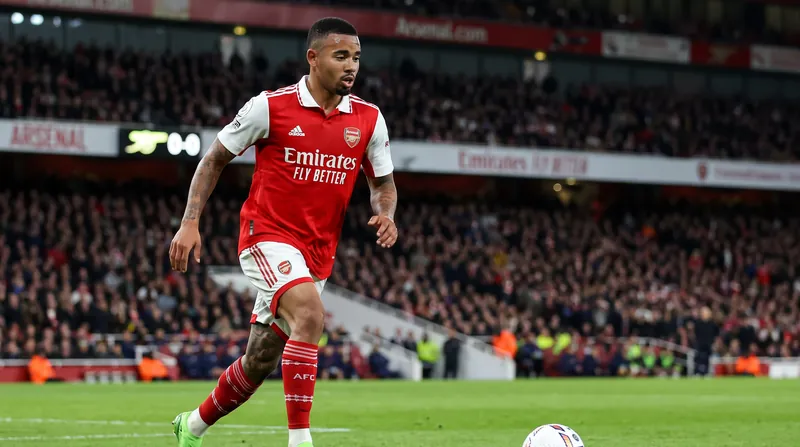
The marquee late-window maneuver belonged to Barcelona, who secured Brazilian forward Gabriel Jesus from Arsenal for a cut-rate €10 million fee. The $11.6 million equivalent deal caught the wider European market off guard, injecting immediate, proven attacking depth into the Catalan side's roster at a fraction of his previous valuation.[1][3]
Barcelona manager Hansi Flick openly expressed that he was "surprised" the club managed to snap up the 29-year-old striker at such a bargain price. Flick noted that Jesus brings immediate Champions League pedigree to a squad balancing youth with veteran anchors, providing a critical tactical asset for the grueling autumn fixture list.[4]
But while Barcelona hunted for high-leverage market inefficiencies, their capital rivals operated with blunt financial force. Real Madrid and Atlético Madrid executed massive squad overhauls, headlined by the blockbuster arrival of highly-rated center-back Ousmane Diomande, pushing the league's total expenditure well past the billion-euro threshold.[2]
The staggering €1.2 billion figure, however, masks a severe internal imbalance. Real Madrid, Barcelona, and Atlético Madrid collectively accounted for 70% of the entire league's summer spending, monopolizing the influx of premium talent.[5]
This heavy concentration means the remaining 17 clubs in the Spanish top flight operated with just 30% of the total capital pool. Mid-table sporting directors were forced to rely on free transfers, loan agreements, and academy promotions to stay competitive, placing immense pressure on scouting departments to find value where the giants simply deploy cash.[5]
For La Liga executives, the window represents a dual reality. The league has successfully reopened its checkbook to compete directly with the English Premier League for top-tier talent, ensuring the product remains globally elite and commercially viable.[2]
As the international break concludes and domestic play resumes, the stakes shift from the boardroom back to the pitch. The €1.2 billion question is no longer who can spend, but whether the massive outlays from the big three will translate into European dominance, or if a shrewdly assembled mid-table squad can disrupt the financial hierarchy.
Key points
- La Liga clubs committed a combined €1.2 billion during the 2026 summer transfer window.
- Barcelona secured Brazilian forward Gabriel Jesus from Arsenal for a bargain €10 million fee.
- Real Madrid, Barcelona, and Atlético Madrid accounted for 70% of the league's total expenditure.
- The spending spree marks a return to financial aggression for Spain's top flight after years of austerity.
- Elite Competitors
- Focus on acquiring premium talent to compete for the Champions League title and match Premier League spending.
- League Parity Advocates
- Highlight the growing financial divide and the structural challenge for smaller clubs operating on limited budgets.
Perspectives this story doesn't cover
- Mid-table sporting directors
- La Liga financial regulators
Sources
Source coverage
5 outlets
2 viewpoints surfaced





- [1]Al JazeeraElite Competitors
Barcelona sign Gabriel Jesus from Arsenal for a reported $11.6m
Read on Al Jazeera → - [2]AS USAElite Competitors
Real Madrid has gone on a summer spending spree - and LaLiga is finally opening its checkbook again
Read on AS USA → - [3]TransfermarktElite Competitors
Arsenal flop or clever Barcelona signing? Gabriel Jesus completes €10m move to LaLiga
Read on Transfermarkt → - [4]Goal.com USElite Competitors
Hansi Flick 'surprised' as Barcelona snap up Gabriel Jesus in bargain €10m transfer from Arsenal
Read on Goal.com US → - [5]All FootballLeague Parity Advocates
Real, Barca, and Atlético account for 70% of La Liga summer spending as league inequality widens
Read on All Football →
More in Sports
See all →Transfer Market
Real Madrid's New Striker Carlos Espí Was Rejected by Barcelona Over €25M Fee
6 sources
Transfer Market
Barcelona Confirms João Cancelo Return on Free Transfer Through 2029
6 sources
Transfer Market
Aurélien Tchouaméni Signs Real Madrid Extension as José Mourinho Targets Late-Window Signings
7 sources
Transfer Market
La Liga's $875 Million Transfer Window: The Strategy to Avoid Being Priced Out by the Premier League
5 sources
Comments
Every angle. Every day.
Get Sports stories with full source coverage and perspective breakdowns, free every day.