
How the 2026 Farm Bill Reshapes What Americans Eat and Cook
The House's passage of the $1.37 trillion Farm Bill introduces sweeping changes to the grocery aisle, from expanding SNAP to cover hot rotisserie chickens to boosting federal support for local ingredients like maple syrup and grapes.
By Baran Demir

Share this story
In short
- The House passed the $1.37 trillion Farm, Food, and National Security Act of 2026 by a 224-200 vote.
- The legislation expands SNAP benefits to include hot, ready-to-eat foods like rotisserie chickens.
- Digital grocery shopping is secured by making the online SNAP pilot permanent and mandating EBT chip cards.
When the U.S. House of Representatives passed the Farm, Food, and National Security Act of 2026 by a vote of 224 to 200, the political debate naturally centered on budget deficits and agricultural subsidies.
But for the average American, the Farm Bill is not just a piece of distant federal legislation—it is the invisible hand that designs the modern grocery store and dictates the ingredients available for weeknight dinners. The sweeping omnibus package touches every aspect of the food system, from the price of flour in the baking aisle to the security of digital grocery carts.[1][4]
Carrying a projected baseline cost of $1.37 trillion over the next decade, the 2026 Farm Bill represents one of the largest investments in the American food supply in history. While traditional commodity programs for wheat, corn, and soy remain the financial core of the legislation, the newly passed House version introduces a series of targeted reforms that directly impact how families shop, cook, and eat. By shifting federal support toward modern consumer habits, the bill attempts to bridge the gap between agricultural production and the realities of the contemporary kitchen.[1][4]
One of the most immediate and tangible changes for millions of households is the modernization of the Supplemental Nutrition Assistance Program (SNAP). Historically, federal regulations strictly limited SNAP purchases to cold, unprepared ingredients, forcing families to buy raw meats and vegetables even when they lacked the time, energy, or kitchen facilities to cook a meal from scratch.
The 2026 legislation breaks from this decades-old restriction by officially expanding eligibility to include certain hot, ready-to-eat foods, a move that advocates have championed for years to better reflect the realities of modern working life.[4]
Specifically, the House adopted a highly anticipated amendment that allows SNAP recipients to purchase hot rotisserie chickens at grocery store deli counters. This seemingly minor regulatory tweak represents a massive shift in food policy, acknowledging that a pre-cooked chicken is not a luxury item, but rather a foundational, time-saving ingredient for working families. For home cooks, a single rotisserie chicken often serves as the starting point for multiple meals, easily shredded into quick enchiladas, tossed into hearty soups, or mixed into chicken salads.[4]
Beyond expanding what families can buy, the legislation fundamentally secures how they shop. The bill makes the SNAP online purchasing pilot a permanent fixture of the federal food safety net, ensuring that households can continue to order their groceries digitally for curbside pickup or home delivery. This permanence allows families to plan their meals and recipes online, comparing prices and avoiding the impulse purchases that often inflate in-store grocery bills.[4]
To protect these digital grocery budgets, the House bill mandates a nationwide transition to EBT chip cards. In recent years, sophisticated card-skimming operations at convenience stores and supermarkets have drained millions of dollars from vulnerable families' food funds, leaving them suddenly unable to purchase the ingredients they need for the week. By upgrading the physical security of EBT cards to match the standard embedded microchips used in commercial credit cards, the legislation aims to eradicate benefit theft and restore consumer confidence in both the physical and digital checkout process.[4]
The 2026 Farm Bill also extends its reach into the realm of specialty crops, elevating regional flavors and premium ingredients that enhance everyday recipes. Through the inclusion of the MAPLE Act, the legislation officially integrates maple syrup into the Seniors Farmers' Market Nutrition Program. This provision ensures that older Americans have subsidized access to a high-quality, locally sourced sweetener, bringing a natural, nutrient-dense alternative to refined sugars to more breakfast tables across the country while simultaneously boosting the economic viability of regional maple producers.[3][4]
Similarly, the legislation incorporates the GRAPE Act, which establishes robust new crop insurance protections specifically tailored for table, juice, and wine grape growers. By shielding vineyards from devastating freeze events, the federal government helps stabilize the supply and consumer price of these ingredients. Whether a home cook is reducing wine for a pan sauce or packing fresh grapes into a school lunch, these protections ensure that specialty crops remain consistently available on supermarket shelves.[3][4]
While the bill introduces these modernizations, it also maintains the massive commodity engine that subsidizes staple crops like wheat, corn, dairy, and soy. These foundational subsidies are the primary reason why essential pantry staples—such as all-purpose flour, cooking oil, and breakfast cereals—remain relatively inexpensive compared to the overall rate of inflation. By absorbing the financial risks of the farmers who grow these crops, the federal government effectively subsidizes the base ingredients of almost every baked good and processed food in the American diet.[1][4]
However, the legislation has not advanced without significant debate regarding the future of the food system. Organic farming advocates have expressed deep concern over the bill's approach to the rapidly growing organic sector. Industry coalitions point out that organic certification costs have surged by more than 85 percent over the last decade, yet the House bill flat-funds organic research and fails to increase reimbursement levels for transitioning farmers. This lack of expanded support could keep organic ingredients at a premium price point, limiting access for budget-conscious home cooks.[4]
Environmental organizations have also criticized the House package, pointing to roughly $1 billion in projected cuts to the Environmental Quality Incentives Program and other conservation initiatives. Advocates argue that reducing federal support for sustainable farming practices threatens the long-term health of the soil and water systems that produce the nation's food. They warn that failing to invest in agricultural resilience could eventually lead to lower crop yields and higher ingredient prices in the face of extreme weather events.[2][4]
Despite these criticisms, the House successfully navigated several contentious regulatory battles before final passage. In a major victory for local food safety and environmental advocates, lawmakers voted to strip controversial pesticide preemption language from the final text. The removal of this provision preserves the authority of states and counties to impose their own strict requirements on pesticide labeling and application, ensuring that local governments can maintain rigorous safety standards for the food grown in their regions.[4]
Despite these criticisms, the House successfully navigated several contentious regulatory battles before final passage.
As the $1.37 trillion package moves to the Senate—where a closely divided chamber is expected to introduce its own competing version—the final contours of the 2026 Farm Bill remain unresolved. Yet, the House's passage marks a definitive shift in how federal policy views the American kitchen. By expanding access to hot meals, securing digital grocery shopping, and supporting regional specialty crops, the legislation underscores that agricultural policy is ultimately about the food that ends up on our plates.[4]
Key terms
- Farm Bill
- A massive, multi-year federal omnibus law that governs agricultural subsidies, crop insurance, and nutrition assistance programs.
- SNAP
- The Supplemental Nutrition Assistance Program, formerly known as food stamps, which provides grocery budgets to low-income families.
- EBT Chip Cards
- Electronic Benefit Transfer cards upgraded with microchips to prevent skimming and digital theft of food assistance funds.
- Specialty Crops
- Fruits, vegetables, tree nuts, and horticulture crops, which historically receive less federal subsidy than staple commodities like corn and wheat.
- Commodity Programs
- Federal financial safety nets designed to stabilize the price and supply of staple agricultural products like wheat, soy, and dairy.
Frequently asked
Can I buy hot food with SNAP now?
Under the House-passed bill, SNAP eligibility is expanded to include certain hot, ready-to-eat foods, most notably rotisserie chickens.
Why is the Farm Bill important for home cooks?
It dictates the federal subsidies and crop insurance that ultimately determine the availability and price of everyday grocery ingredients.
Does this bill change organic food prices?
Advocates warn that by flat-funding organic research and failing to offset rising certification costs, the bill may keep organic ingredients at a premium price.
Is the 2026 Farm Bill finalized?
No. The House passed its version, but the Senate must still pass its own bill, and the two chambers will need to reconcile their differences.
Viewpoints in depth
Nutrition Access Advocates
Focuses on modernizing food assistance to match the realities of working families.
Advocates in this camp argue that decades-old restrictions on hot foods ignored the time poverty faced by many low-income households. By allowing the purchase of rotisserie chickens and securing the digital EBT infrastructure, they believe the federal government is finally acknowledging that a modern food safety net must provide convenience and security, not just raw calories.
Organic and Environmental Coalitions
Argues that the bill sacrifices long-term ecological health for short-term commodity stability.
Environmental and organic groups contend that the legislation represents a missed opportunity to future-proof the American food system. They point to the $1 billion in cuts to conservation programs and the lack of increased support for organic transition as evidence that the bill favors industrial agriculture over sustainable practices that protect soil health and water quality.
Agricultural Producers
Emphasizes the need for robust financial safety nets to keep grocery prices stable.
Farming advocates and commodity groups view the bill as a necessary shield against the volatile economics of modern agriculture. They argue that without strong crop insurance and commodity subsidies, farmers could not absorb the risks of extreme weather and inflation, which would inevitably lead to massive price spikes for basic ingredients at the grocery store.
- Nutrition Access Advocates
- Argue that modernizing SNAP to include hot foods and secure digital purchasing is essential for working families.
- Agricultural Producers
- Focus on the necessity of crop insurance, commodity subsidies, and specialty crop support to maintain a stable, affordable food supply.
- Organic and Environmental Coalitions
- Warn that flat funding for organic research and cuts to conservation programs threaten the long-term sustainability of the food system.
- Local Government Officials
- Prioritize maintaining local control over food safety and pesticide regulations to protect community health.
Perspectives this story doesn't cover
- Small-scale independent grocers
- Restaurant industry advocates
Sources
Source coverage
4 outlets
4 viewpoints surfaced



- [1]U.S. House Committee on AgricultureAgricultural Producers
The Farm, Food, and National Security Act of 2026
Read on U.S. House Committee on Agriculture → - [2]Environmental Defense FundOrganic and Environmental Coalitions
House-Passed Farm Bill Falls Short
Read on Environmental Defense Fund → - [3]U.S. Representative Nick LangworthyAgricultural Producers
HOUSE PASSES 2026 FARM BILL
Read on U.S. Representative Nick Langworthy → - [4]Factlen Editorial TeamNutrition Access Advocates
Synthesis by Factlen editorial team
Read on Factlen Editorial Team →
More in Food & Drink
See all →Food Allergies
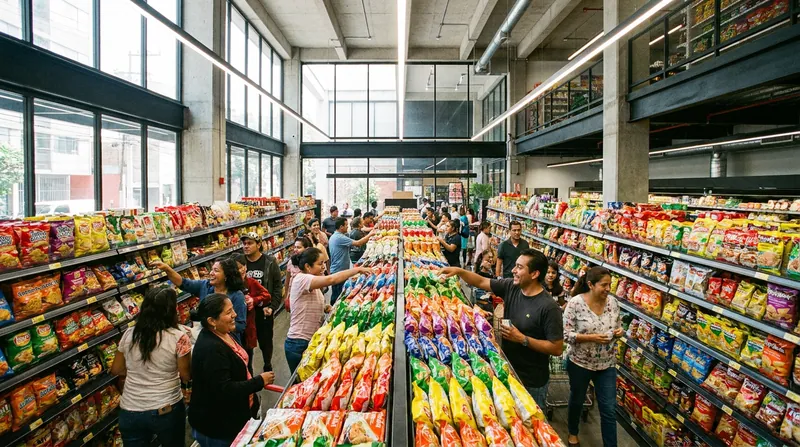
FDA Reviews Mustard, Celery, and Buckwheat for Inclusion as Major Food Allergens
4 sources
Food Safety
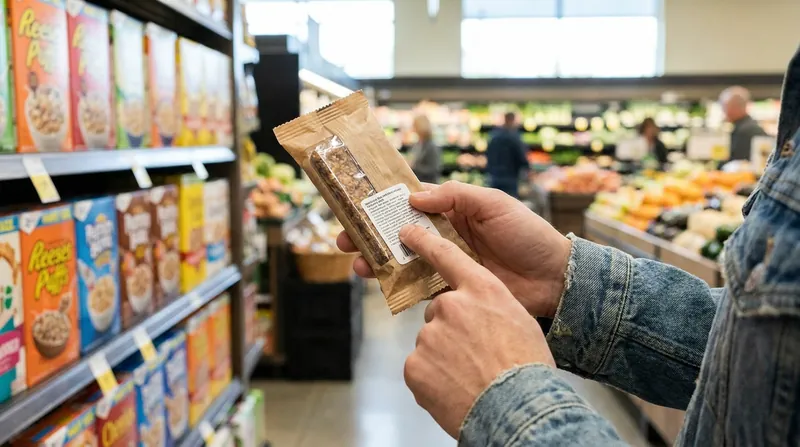
How the Clover Hill Dairy Listeria Recall Works and What It Means for Soft Cheese Safety
4 sources
Regenerative Agriculture
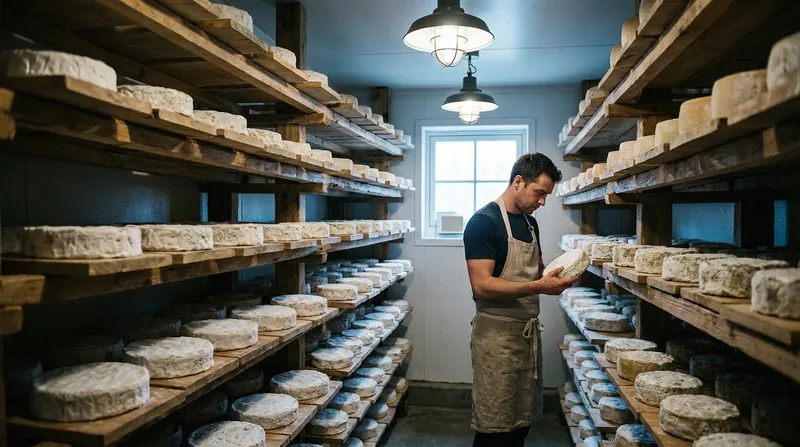
USDA Finalizes 'Regenerative Feedstock Rule' to Unlock Biofuel Markets for Farmers Using Soil-Health Practices
4 sources
Organic Supply Chain
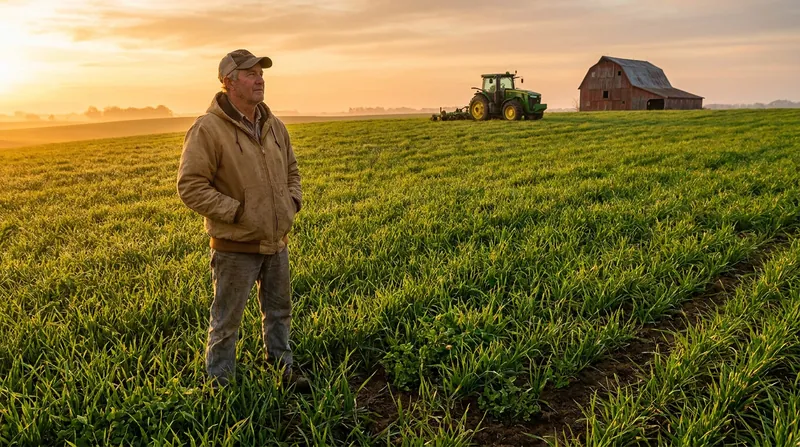
USDA's Landmark 'Strengthening Organic Enforcement' Rule Takes Effect to Combat Supply Chain Fraud
2 sources
Comments
Every angle. Every day.
Get Food & Drink stories with full source coverage and perspective breakdowns, free every day.