
How MLB's New ABS Challenge System is Fueling a Left-Handed Hitting Resurgence
Major League Baseball's new Automated Ball-Strike (ABS) challenge system has inadvertently neutralized a decades-old disadvantage for left-handed batters. By allowing players to overturn missed calls, the technology is driving a historic offensive surge from the left side of the plate.

Share this story
Baseball has always had a subtle geometric bias toward the left side. Left-handed hitters enjoy a shorter sprint to first base, and they historically face a disproportionate number of right-handed pitchers, granting them a natural platoon advantage. Yet, even with these built-in perks, the 2026 Major League Baseball season is witnessing an unprecedented offensive explosion from the left side of the plate.
The numbers are staggering. As the summer heats up, the top eight hitters in on-base plus slugging (OPS)—including superstars like Yordan Alvarez, Juan Soto, and Shohei Ohtani—all swing from the left side. Philadelphia's Kyle Schwarber leads the majors in home runs, while left-handed batters collectively boast a Weighted Runs Created Plus (wRC+) of 108, sitting 13 points higher than their right-handed counterparts. For context, 100 is league average, and lefties are currently posting their best league-adjusted batting line since 1946.[1]
General managers and analysts have floated various theories for this left-leaning renaissance, from the rising velocity of right-handed relievers to high-profile injuries among righty sluggers. But the most compelling explanation lies in the sport's newest and most transformative rule change: the Automated Ball-Strike (ABS) challenge system.[1]
Approved by the Joint Competition Committee in late 2025 and rolled out for the 2026 season, ABS represents a fundamental shift in how baseball is officiated. Rather than replacing human umpires with fully automated "robot umps," MLB opted for a challenge-based hybrid. The human umpire still calls every pitch, but players now have the power to contest those calls using Hawk-Eye tracking technology.[4]
The mechanics of the system are swift and dramatic. If a batter, catcher, or pitcher disagrees with a call, they must immediately tap their helmet or cap. The stadium's jumbotron then displays a 3D graphic of the pitch's trajectory as it crosses the plate. The entire review takes roughly 15 seconds, preserving the game's brisk pace while ensuring high-leverage accuracy. Each team receives two challenges per game, retaining them if successful.[2][4]
So, how does a technological safety net disproportionately benefit left-handed hitters? The answer lies in the historical blind spots of human umpires and the dark art of pitch framing. For decades, lefties have complained about a phantom strike zone that extends off the outside edge of the plate.[1]
Because the vast majority of catchers throw right-handed, their glove positioning naturally pulls pitches on the outside corner to a left-handed batter back toward the center of their body. This framing technique routinely tricked umpires into calling strikes on pitches that were inches off the plate. Conversely, lefties also suffered on inside pitches, where umpires, struggling to see through the batter's body, often guessed wrong.[1]
The data backs up the frustration. A comprehensive 2015 study of missed strike calls revealed that the five hitters who absorbed the highest percentage of incorrect calls were all left-handed. In fact, 29 of the top 30 victims of missed calls were either pure lefties or switch-hitters. For generations, left-handed batters simply had to accept a wider, more punishing strike zone.[1]
The ABS challenge system has effectively neutralized that disadvantage. When an umpire gets fooled by a catcher's elite framing on a low-and-away slider, a left-handed hitter no longer has to trudge back to the dugout in frustration. They simply tap their helmet.
The early results are telling. Washington Nationals shortstop CJ Abrams started the season a perfect 8-for-8 on successful challenges, while San Francisco Giants rookie Bryce Eldridge went 7-for-7. By empowering hitters to correct egregious mistakes, ABS has crystallized the strike zone around the actual rulebook definition, rather than the umpire's perspective.[1]
The rulebook zone itself has been strictly codified for the ABS era. The system sets the top of the strike zone at 53.5 percent of a player's measured height (without cleats) and the bottom at 27 percent. Crucially, the Hawk-Eye cameras capture the pitch's location as it passes through the middle of the 17-inch plate, not the front edge, eliminating the sweeping breaking balls that only clip the front corner.[2][3]
Interestingly, while hitters are reaping the statistical rewards, catchers have proven to be the most adept users of the challenge system. In the early weeks of the season, catchers successfully overturned calls at a 64 percent clip, compared to just 42 percent for hitters. Pitchers, meanwhile, are rarely trusted by their managers to challenge, given the emotional adrenaline of being on the mound.[2]
The strategy of when to challenge has also evolved rapidly. The most frequently challenged count is 2-2, as both hitters and catchers recognize the massive swing in run expectancy between a full count and a strikeout. The threat of a challenge in these high-leverage moments has forced umpires to be more precise, knowing that obvious mistakes will be instantly broadcast to cheering or booing fans.
This technological leap compounds the benefits lefties received from the 2023 ban on extreme defensive infield shifts. Before the shift ban, left-handed hitters routinely saw hard-hit grounders swallowed up by a shallow right fielder. Now, with the infield strictly regulated and the strike zone objectively enforced, the structural barriers that suppressed left-handed offense have been dismantled.
The long-term effects of ABS are still unfolding. Some analysts predict that umpires will naturally adjust their own internal strike zones, becoming less susceptible to pitch framing because they know the Hawk-Eye cameras are watching. If catchers realize they can no longer steal strikes on the edges, the entire geometry of the pitcher-batter duel will shift toward the center of the plate.[1][3]
For now, the 2026 season belongs to the lefties. By blending human tradition with technological precision, baseball has inadvertently corrected a decades-old imbalance. The automated ball-strike system hasn't just made the game fairer; it has unleashed a wave of left-handed power that is thrilling fans and rewriting the modern record books.
The essentials
- MLB introduced the Automated Ball-Strike (ABS) challenge system for the 2026 season.
- Left-handed hitters are experiencing a massive offensive surge, posting a 108 wRC+ compared to 95 for righties.
- The system allows batters, pitchers, and catchers to challenge calls by tapping their helmets.
- ABS neutralizes the historical advantage of catchers framing pitches on the outside corner against lefties.
- Catchers have proven to be the most accurate challengers, succeeding on 64% of their attempts early in the season.
Timeline
2019 - 2024
MLB tests the Automated Ball-Strike system extensively across various levels of the minor leagues.
September 2025
The MLB Joint Competition Committee officially approves the ABS challenge system for the 2026 season.
March 2026
The ABS system makes its regular-season debut on Opening Day, allowing players to challenge calls.
June 2026
Data reveals a massive offensive surge for left-handed hitters, heavily correlated with the new challenge system.
- Left-Handed Hitters
- Advocates who see the system as a long-overdue correction to an unfair strike zone.
- Catchers and Pitchers
- Defensive players adapting to the loss of pitch-framing advantages on the margins.
- MLB Officials and Analysts
- League stakeholders focused on accuracy, pace of play, and entertainment value.
Perspectives this story doesn't cover
- Right-handed hitters struggling to adapt
- Minor league umpires who tested the system
Sources
Source coverage
4 outlets
3 viewpoints surfaced




- [1]ESPNLeft-Handed Hitters
How ABS has helped propel a left-handed-hitting resurgence
Read on ESPN → - [2]Houston ChronicleCatchers and Pitchers
How Houston Astros plan to approach MLB's automated ball-strike challenge system
Read on Houston Chronicle → - [3]MLB.comMLB Officials and Analysts
Statcast Advanced ABS Metrics
- [4]WBSCMLB Officials and Analysts
Major League Baseball approves Automated Ball Strike Challenge System for 2026 season
Read on WBSC →

More in Sports
See all →Power ranking
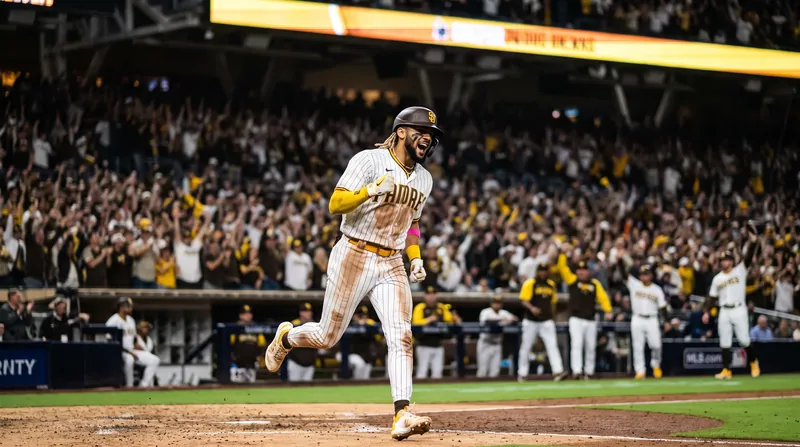
October Threat Tracker: The Five Hottest Baseball Teams on the Planet
6 sources
Trade
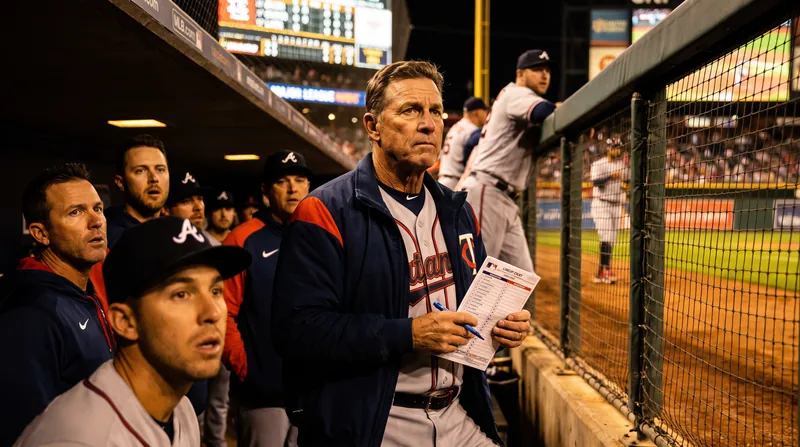
MLB Final Weekend Roster Moves: Rangers Recall Logan O'Hoppe as Giants Lose Bryce Eldridge
6 sources
Injury
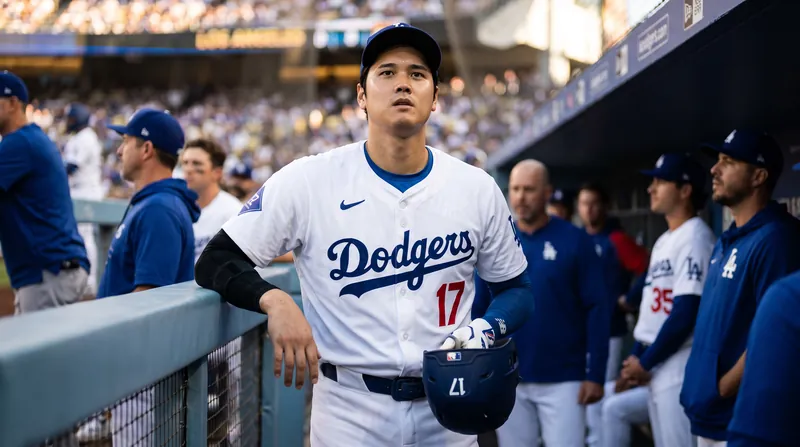
MLB Injury Report: Ohtani Returns for Dodgers as Diamondbacks and Rangers Lose Key Stars in Final Weekend
5 sources
Standings
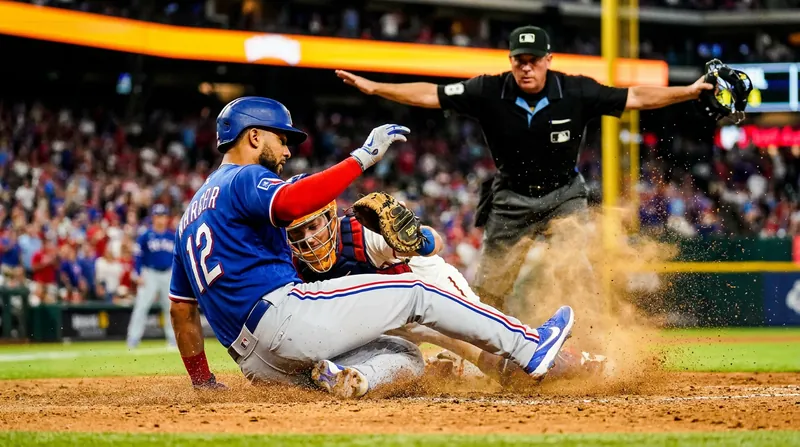
MLB Playoff Picture: AL West Deadlocked and NL Wild Card Chaos Define Final Weekend
7 sources
Comments
Every angle. Every day.
Get Sports stories with full source coverage and perspective breakdowns, free every day.