
French Backstroke Star Yohann Ndoye-Brouard Completes Grueling Concussion Comeback with National Titles
After spending six weeks confined to a dark room following a severe concussion, French record holder Yohann Ndoye-Brouard returned to the pool to sweep the backstroke events at the 2026 French Elite Championships.
By Omar Haddad
Share this story
Yohann Ndoye-Brouard stood atop the podium at the Piscine Raymond Sommet in Saint-Etienne this week, having just swept the 100-meter and 200-meter backstroke titles at the 2026 French Elite Championships. The victories definitively cemented his place on the French roster for the upcoming European Championships, marking a triumphant and highly emotional milestone for the 25-year-old national record holder. For a swimmer of his caliber, national titles are an expectation, but this particular meet represented the culmination of a grueling battle just to make it back to the starting blocks.[1][2]
The gold medals only tell a fraction of the story. Over the past twelve months, Ndoye-Brouard has navigated a relentless gauntlet of physical and neurological injuries that threatened to derail his career entirely. The ordeal began relatively routinely with a severe back injury that forced him out of the water for two full weeks of critical training. His coach, Mathieu Neuillet, managed the recovery carefully, and the backstroke specialist appeared to be returning to peak form just in time for the crucial pre-championship training blocks.[1][3]
Shortly after returning to the pool, Ndoye-Brouard traveled to a high-altitude training camp in Font-Romeu, nestled near the France-Spain border. During an intense training set wearing fins and hand paddles—equipment designed to drastically increase a swimmer's velocity and water resistance—Ndoye-Brouard misjudged his distance to the wall. Traveling at unusually high speeds, he crashed headfirst into the concrete edge of the pool. The immediate aftermath was deceptive; he initially reported only localized arm pain from the impact, allowing him to travel back home without immediate alarm.[1][2][4]
However, upon returning home, the severe neurological symptoms of a major concussion rapidly set in. Crippling dizziness and vertigo took hold, forcing the elite athlete into a strict and immediate concussion protocol. For six agonizing weeks, Ndoye-Brouard was confined to his house, completely isolated from screens, bright lights, and any form of physical exertion. Sensory deprivation is notoriously difficult for highly active athletes, stripping away their primary coping mechanisms, their daily routines, and their connection to the sport that defines their lives.[1]
Once the absolute rest period concluded, the road back to the water was far from straightforward. Ndoye-Brouard required specialized vestibular physiotherapy to retrain his brain's balance and spatial orientation systems. For a backstroker—who must navigate the pool at maximum speed while staring at the ceiling, relying entirely on spatial awareness and stroke counts to know where the wall is—vestibular health is absolutely critical. The therapy was exhausting, but it slowly allowed him to regain his equilibrium and return to light aquatic training.[1][2][3]
The prolonged absence from the pool forced a strategic pivot for the remainder of the season. Realizing he lacked the aerobic base and training volume required for a wider event program, Ndoye-Brouard and his coaching staff made the difficult decision to narrow his focus exclusively to his signature backstroke sprint events. This targeted approach meant sacrificing potential medals in other disciplines, but it provided a realistic pathway to secure his European Championship qualification without overloading his recovering nervous system.[1][3][4]
Even his return to competition in Saint-Etienne was fraught with severe environmental challenges. A massive European heatwave pushed temperatures at the outdoor venue to a blistering 100°F (37.7°C) on the opening night of the championships. Ndoye-Brouard battled through severe muscle cramps and bouts of low blood pressure before and after his races, admitting to French media that the sweltering conditions were far from ideal for peak athletic performance, especially for an athlete still managing the lingering effects of a disrupted season.[1]
Yet, when the starting horn sounded, his world-class muscle memory took over. He clocked a blistering 53.44 seconds in the 100-meter backstroke, comfortably clearing the European Championship qualifying standard and proving that his top-end speed remains intact. His resilience serves as a bright spot for a French men's national team that has been battered by injuries this season, including high-profile setbacks for stars like Léon Marchand and Maxime Grousset.
Yet, when the starting horn sounded, his world-class muscle memory took over.
- Sports Medical Professionals
- Emphasize the critical importance of strict concussion protocols, dark-room rest, and vestibular therapy even in non-contact sports like swimming.
- French Swimming Federation
- Focused on fielding a healthy, competitive roster for the European Championships despite a wave of national team injuries.
- Athlete Support Network
- Highlight the immense mental resilience required to survive six weeks of sensory deprivation and return to elite competition.
Sources
Source coverage
4 outlets
3 viewpoints surfaced




- [1]SwimSwamAthlete Support Network
French Elite Champion Yohann Ndoye-Brouard Has Dealt With Back Injury and Concussion This Season
Read on SwimSwam → - [2]Swimming World MagazineAthlete Support Network
Yohann Ndoye Brouard Sweeps Backstroke Titles as French Championships Conclude
Read on Swimming World Magazine → - [3]L'ÉquipeFrench Swimming Federation
Yohann Ndoye-Brouard de retour au sommet après une commotion cérébrale
Read on L'Équipe → - [4]Inside The GamesAthlete Support Network
French swimmer Ndoye-Brouard overcomes severe concussion to claim national titles
Read on Inside The Games →
More in Sports
See all →Recap
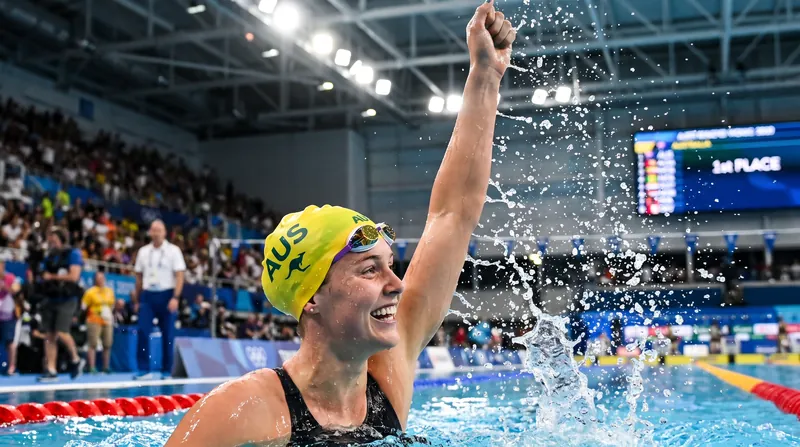
Indiana Dominates Inaugural College Swimming League Match 1 Behind Alex Shackell's MVP Performance
3 sources
Power ranking
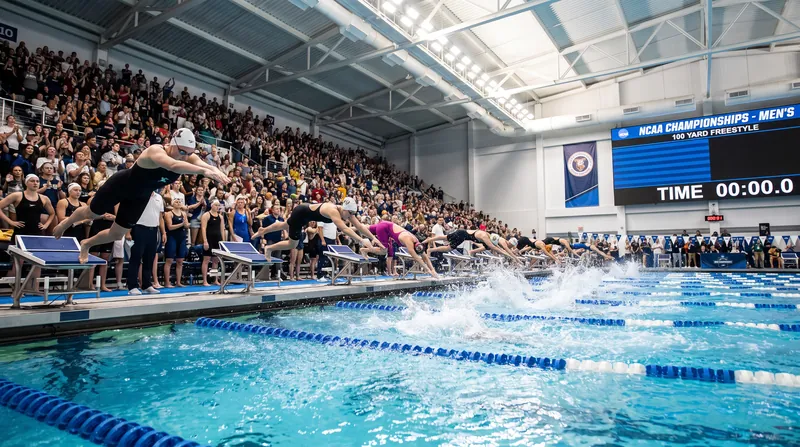
Global Men's 200 Freestyle Power Rankings: Zhang Zhanshuo Resets the Board With Historic 1:43.49
2 sources
Storyline
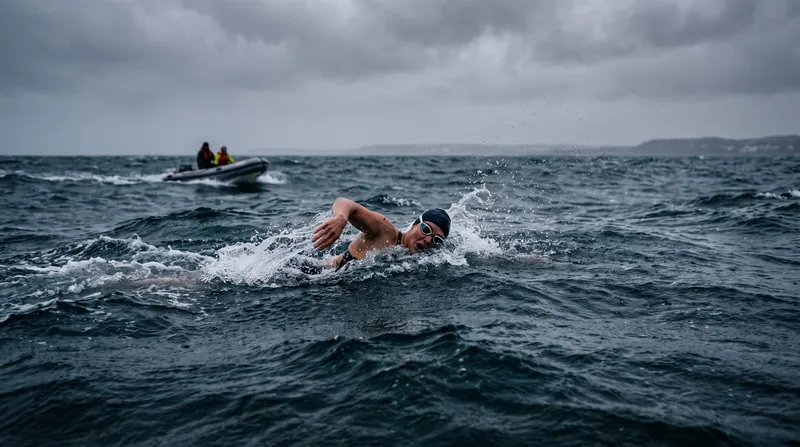
British Relay Team Smashes English Channel Record, Falls Three Minutes Short of 1990 World Mark
2 sources
Fluid Dynamics
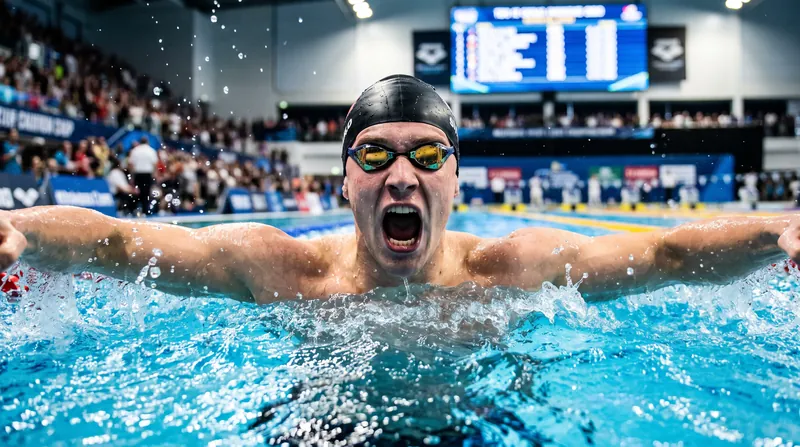
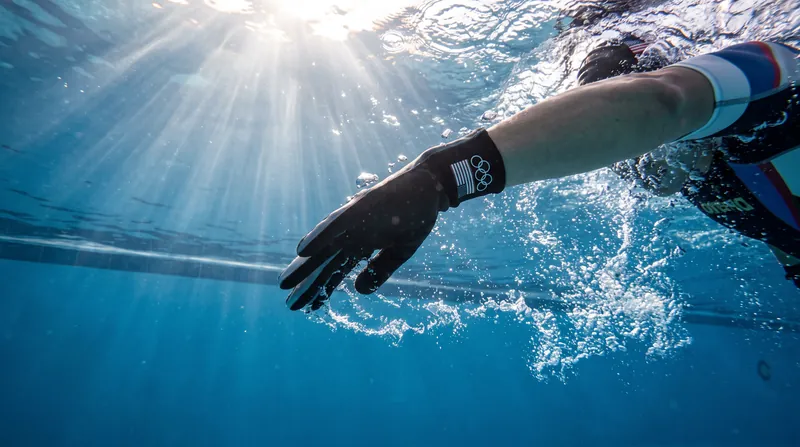
The 3-8mm Spacing: How Invisible Water Vortices Maximize Hand Propulsion in Swimming
7 sources
Comments
Every angle. Every day.
Get Sports stories with full source coverage and perspective breakdowns, free every day.