
FDA Recalls Alfalfa Sprouts Over Dual E. Coli and Salmonella Outbreak: Comparing Safe Alternatives
A multistate outbreak of E. coli and Salmonella linked to alfalfa sprouts has sickened 55 people, prompting a major recall. Consumers can avoid the inherent risks of raw sprouts by swapping to structurally safer alternatives like microgreens or julienned root vegetables.
By Ivan Smirnov

Share this story
Health-conscious shoppers buy alfalfa sprouts for a fresh, nutritious crunch, but that same humid growing environment makes them a recurring vector for foodborne illness. That tension peaked this week as federal regulators announced a multistate outbreak linking raw sprouts to two different pathogens simultaneously. The solution for consumers is not to abandon fresh greens, but to swap high-risk sprouts for safer, equally crunchy alternatives like microgreens or julienned root vegetables that deliver the exact same culinary benefit without the bacterial lottery.[3]
On August 22, 2026, the U.S. Food and Drug Administration and the Centers for Disease Control and Prevention announced a widespread recall of alfalfa sprouts produced by Minneapolis-based Everything Sprouts, LLC. The recall covers five-ounce plastic containers sold under the Everything Sprouts and Calco brands, which were distributed to grocery stores and wholesale distributors across Minnesota and Wisconsin between May 27 and August 21.[1][2]
The current outbreak is highly unusual because it involves a dual contamination of Shiga toxin-producing E. coli (STEC) and Salmonella Agona. According to the CDC, the contaminated sprouts have sickened at least 55 people across 15 states, resulting in four hospitalizations. Investigators noted that of the confirmed cases, 46 were infected with E. coli, seven with Salmonella, and two patients were infected with both pathogens simultaneously, highlighting the severe contamination risk inherent to the sprout-growing process.[1][3]
The root of the problem lies in how sprouts are cultivated. Seeds require warm, humid, and nutrient-rich water to germinate—the exact environmental conditions in which bacteria like E. coli and Salmonella thrive. If a single seed is contaminated from the field, the sprouting process acts as a rapid incubator, multiplying the bacteria to dangerous levels before the product ever reaches a grocery store shelf or a restaurant kitchen.[2][6]
For shoppers looking to replace the nutritional profile and delicate texture of alfalfa sprouts, microgreens are the premier alternative. Unlike sprouts, which are grown in warm water and consumed seed-and-all, microgreens are grown in soil or a sterile medium. Consumers eat only the stem and the leaf, leaving the seed behind in the dirt, which drastically reduces the risk of pathogen transmission and makes them a structurally safer choice for raw consumption.[6]
Microgreens—such as sunflower, broccoli, or radish shoots—are widely available in the produce section of most major supermarkets, typically costing between $4 and $6 per clamshell. They offer a more robust, peppery flavor profile than water-grown sprouts and pack a concentrated dose of vitamins, making them a direct nutritional upgrade for sandwiches, wraps, and salads without the associated recall anxiety.[6]
If the goal is purely to add a firm, satisfying crunch to a meal, julienned root vegetables offer a completely risk-free substitute. Thinly sliced carrots, radishes, and beets provide the same mechanical texture as sprouts but grow in environments that do not foster rapid bacterial multiplication. These alternatives are also significantly cheaper and have a much longer shelf life in the refrigerator than delicate sprouts.[6]
For those who already have sprouts in their refrigerator and do not wish to waste them, heat is the only reliable mitigation. The FDA advises that thoroughly cooking sprouts kills the harmful bacteria. While this alters the texture—making them more suitable for stir-fries, ramen, or broths rather than raw salads—it completely neutralizes the dual threat of E. coli and Salmonella.[2][6]
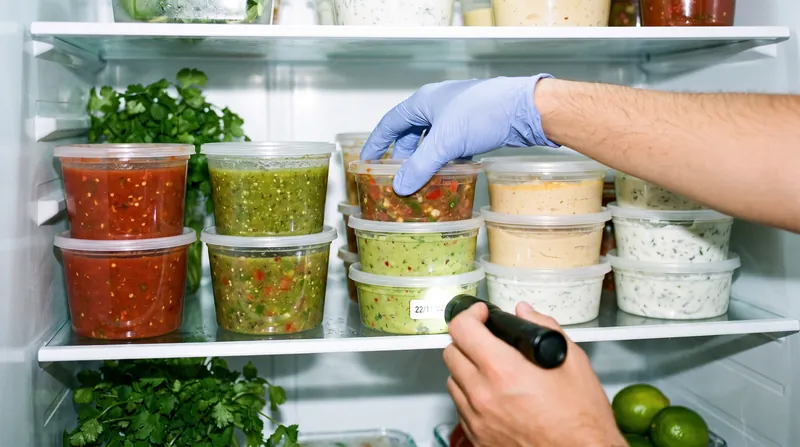
Consumers who purchased the recalled Everything Sprouts or Calco products—specifically lot numbers 222, 223, 225, 226, and 230—should immediately discard them in a sealed garbage bag. The FDA strongly recommends washing any refrigerator drawers, storage containers, or kitchen countertops that came into contact with the packaging using hot, soapy water to prevent cross-contamination to other safe foods.[1][2]
Viewpoints in depth
Public Health Regulators
Federal agencies emphasize the inherent risks of the sprout cultivation process.
The FDA and CDC consistently warn that raw sprouts pose a unique food safety challenge. Because the seeds require warm, humid water to germinate, any bacteria present on the seed coat will multiply rapidly during the sprouting process. Regulators advise that children, the elderly, and immunocompromised individuals should avoid raw sprouts entirely, as surface washing is insufficient to remove bacteria that have internalized into the plant tissue.
Agricultural Alternatives Advocates
Farming innovators promote microgreens as a structural solution to sprout safety.
Growers and culinary experts point to microgreens as the logical successor to raw sprouts. By growing the plants in soil or a sterile medium and harvesting only the stem and leaf, the riskiest part of the plant—the seed—is left behind. This fundamental difference in cultivation not only drastically reduces the vector for E. coli and Salmonella but also yields a product with a more robust flavor and higher concentration of complex nutrients.
Culinary Pragmatists
Home cooks and recipe developers focus on texture substitutions and heat mitigation.
For everyday meal preparation, culinary pragmatists argue that the specific ingredient matters less than the texture it provides. If a recipe calls for sprouts purely for crunch, julienned carrots, radishes, or thinly sliced cabbage offer a cheaper, safer, and longer-lasting alternative. When sprouts must be used, these experts emphasize that incorporating them into hot dishes like stir-fries or boiling broths completely neutralizes the bacterial threat while retaining the ingredient's earthy flavor.
Key points
- Everything Sprouts, LLC recalled multiple lots of alfalfa sprouts due to a dual E. coli and Salmonella outbreak.
- The contaminated sprouts have sickened at least 55 people across 15 states, resulting in four hospitalizations.
- Sprouts are highly susceptible to bacteria because they are grown in warm, humid water with the seed attached.
- Microgreens offer a safer alternative because they are grown in soil and harvested above the seed line.
How we got here
May 27, 2026
Everything Sprouts begins distributing the affected lots of alfalfa sprouts to grocery stores and restaurants.
May 31, 2026
The first reported illnesses linked to the contaminated sprouts begin to emerge.
August 19, 2026
The FDA opens an inspection and begins sampling at the Everything Sprouts facility in Minneapolis.
August 21, 2026
The FDA and CDC publicly announce the multistate outbreak investigation.
August 22, 2026
Everything Sprouts, LLC officially recalls the affected 5-ounce containers of alfalfa and mixed sprouts.
- Public Health Officials
- Focuses on tracking the outbreak and warning the public about the inherent risks of raw sprouts.
- Consumer Safety Advocates
- Focuses on amplifying recall details and holding food producers accountable for sanitation failures.
- Culinary Educators
- Focuses on providing actionable, safe alternatives for home cooks who want nutrition without the risk.
Perspectives this story doesn't cover
- Grocery Retailers
- Commercial Sprout Farmers
Sources
Source coverage
6 outlets
3 viewpoints surfaced






- [1]Centers for Disease Control and PreventionPublic Health Officials
Food Safety Alert: E. coli and Salmonella Infections Linked to Alfalfa Sprouts
Read on Centers for Disease Control and Prevention → - [2]U.S. Food and Drug AdministrationPublic Health Officials
Everything Sprouts, LLC Recalls Alfalfa Sprouts Due to Potential E. Coli and Salmonella Risk
Read on U.S. Food and Drug Administration → - [3]Good HousekeepingConsumer Safety Advocates
FDA and CDC Announce New Outbreak Linked to Popular Produce Item
Read on Good Housekeeping → - [4]Food Poisoning BulletinConsumer Safety Advocates
Everything Alfalfa Sprouts Recalled For E. coli and Salmonella
Read on Food Poisoning Bulletin → - [5]Food Poison JournalConsumer Safety Advocates
Everything Sprouts Salmonella Outbreak Grows to 55 Sick
Read on Food Poison Journal → - [6]Myriad RecipesCulinary Educators
What Are Bean Sprouts, Anyway? Substitutes and Safety
Read on Myriad Recipes →
More in Shopping & Reviews
See all →Food Safety
Panorama Produce Recalls Mangoes Sold at Walmart Over Salmonella Risk: How to Check Your Fruit
5 sources
Food Safety
USDA Recalls 29,600 Pounds of Argentine Beef After Routine Import Reinspection is Skipped
6 sources
Food Safety
Frozen Fruit Bars Recalled Nationwide Over Glass Contamination: How to Check Your Freezer
4 sources
Food Safety
Check Your Fridge: Jalapeño Salmonella Outbreak Triggers Massive Recall of Prepared Foods and Produce
4 sources
Comments
Every angle. Every day.
Get Shopping & Reviews stories with full source coverage and perspective breakdowns, free every day.