
Frozen Fruit Bars Recalled Nationwide Over Glass Contamination: How to Check Your Freezer
Dreyer's Grand Ice Cream has voluntarily recalled select batches of Outshine Fruit Bars nationwide following consumer reports of potential glass contamination.

Share this story
Dreyer's Grand Ice Cream has initiated a nationwide voluntary recall of select batches of its popular Outshine Fruit Bars after receiving consumer reports of potential glass contamination. The recall, which affects specific lots distributed to retailers across the United States, highlights the critical importance of household-level food safety checks.
Shoppers who regularly purchase these frozen treats are being urged to immediately inspect their freezers to ensure they do not accidentally consume the affected products. While the recall is limited in scope to specific batches, the nationwide distribution means that the potentially hazardous fruit bars could be present in homes across the country, prompting swift action from both the manufacturer and public health officials.[1][2]
The safety alert encompasses five specific flavors of the frozen fruit bars, all sold in six-count, 2.5-ounce boxes. The affected varieties include strawberry, watermelon, grape, tangerine, and black cherry. In addition to the individual flavor boxes, the recall also applies to the Outshine 24-count variety packs that contain a mix of these flavors.
The manufacturer has explicitly stated that no other Outshine products, flavors, or packaging sizes are impacted by this recall. This precise identification helps narrow down the scope, allowing consumers who purchase other varieties of the brand's frozen treats to consume them with confidence, provided they are not part of the specifically listed batches.[1][2]
The contamination concern was first brought to light through consumer complaints regarding foreign material found within the fruit bars. Specifically, individuals reported discovering small pieces of glass embedded in the frozen treats. In response to these alarming reports, Dreyer's Grand Ice Cream opted to issue a voluntary recall out of an abundance of caution.
This proactive measure is standard practice in the food industry when physical contaminants are detected, as it prioritizes consumer safety and product integrity over continued sales. The company has apologized for the inconvenience and emphasized that the safety of their products remains their highest priority.[1][2]
Despite the alarming nature of glass contamination in a food product, there is a reassuring aspect to this recall: as of the initial announcements in late August 2026, there have been no reported illnesses or injuries associated with consuming the affected fruit bars.
The lack of reported injuries suggests that the issue may be isolated to a small number of bars within the recalled batches, or that consumers noticed the foreign material before ingesting it. However, the potential risk of internal injury from swallowing glass fragments is severe enough that immediate and thorough action is required from anyone who has purchased these products.[1][2]
State health departments play a crucial role in amplifying food safety alerts and ensuring that local communities are aware of potential hazards. Agencies like the Washington State Department of Health actively monitor and publish information regarding food recalls to protect public health.
By coordinating with federal agencies and manufacturers, state-level health departments help disseminate critical batch codes and safety instructions to a wider audience. This multi-tiered approach to communication is essential for reaching consumers who might not otherwise see a manufacturer's press release, thereby reducing the likelihood of accidental consumption and injury.[3][4]
For consumers, the most critical step is correctly identifying whether the Outshine Fruit Bars in their freezer are part of the recalled batches. To do this, shoppers must locate the Universal Product Code (UPC) and the specific batch code, both of which are printed on the bottom of the product packaging.
Matching the flavor or the package size alone is not sufficient to determine if the product is recalled; the UPC and batch code must exactly match the list provided in the official recall announcements. This precise verification process ensures that safe products are not unnecessarily discarded while effectively isolating the contaminated batches.[1][4]
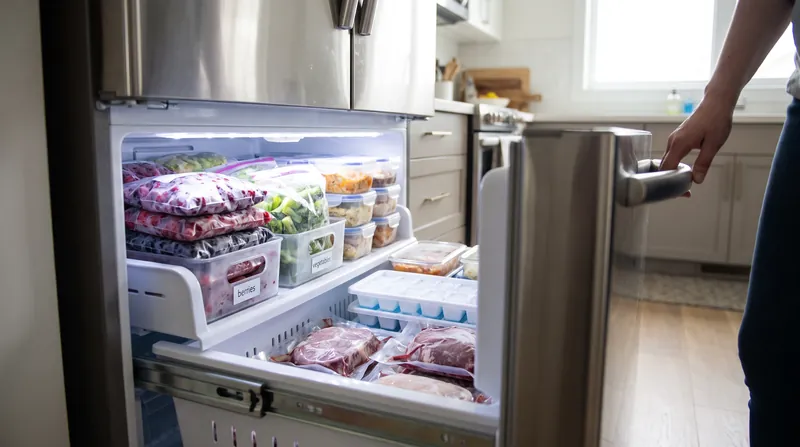
In addition to the UPC and batch codes, consumers should also check the "best-by" dates printed on the packaging. The recalled products have expiration dates ranging from late June 2027 through November 2027. Because these frozen fruit bars have a long shelf life, there is a significant risk that affected boxes could sit forgotten in household freezers for months before being consumed.
This extended timeframe makes it imperative for consumers to check their inventory now, rather than assuming that a recently purchased box is automatically safe or that an older box is unaffected. Vigilance today prevents potential injuries tomorrow.[1][4]
If a consumer determines that they possess a recalled box of Outshine Fruit Bars, the instructions from the manufacturer and health officials are clear and unequivocal: do not consume the product. The affected fruit bars should not be eaten, served, or distributed under any circumstances. Instead, consumers have two options for safely handling the recalled items.
They can either dispose of the product immediately in a secure trash receptacle to ensure no one else accidentally consumes it, or they can return the unconsumed portion to the original place of purchase. Retailers have been instructed to provide a full refund for the recalled batches.[1][2]
While the primary goal of the recall is prevention, it is also important for consumers to know what to do if they suspect they have already been exposed to the hazard. Anyone who has consumed the recalled fruit bars and subsequently experiences symptoms of internal injury, or who suspects they may have ingested a glass fragment, should contact a healthcare provider immediately.
Medical professionals are best equipped to assess and treat potential injuries caused by foreign objects in the digestive tract. Prompt medical evaluation is a critical safety net for those who may have unknowingly consumed the contaminated product before the recall was widely publicized.[2][4]
The Outshine Fruit Bar recall serves as a stark reminder of the complexities and inherent risks involved in large-scale food manufacturing. Even with stringent quality control measures and automated inspection systems in place, physical contaminants like glass, metal, or plastic can occasionally bypass safety checks and enter the final product.
These incidents underscore the necessity of robust traceability systems that allow manufacturers to quickly identify and isolate specific batches when a problem is detected. The ability to pinpoint the exact lots affected by the contamination is what makes targeted recalls possible, minimizing both consumer risk and food waste.[4]
Furthermore, this incident highlights the indispensable role that consumer reporting plays in the broader food safety net. The recall was directly triggered by individuals who noticed the glass fragments and took the time to alert the manufacturer.
Without these vigilant consumers, the contaminated batches might have remained on store shelves and in household freezers much longer, significantly increasing the risk of widespread injury. Consumer feedback acts as the final and most vital line of defense in food safety, demonstrating that public awareness and proactive communication are just as important as factory-level quality control.[4]
Ultimately, navigating a food recall requires a partnership between manufacturers, health agencies, and the public. While companies are responsible for producing safe food and initiating recalls when necessary, the final responsibility for removing the hazard from the home rests with the consumer.
Ultimately, navigating a food recall requires a partnership between manufacturers, health agencies, and the public.
By taking a few minutes to check their freezers, cross-reference batch codes, and safely dispose of or return affected products, shoppers can protect themselves and their families from unnecessary harm. Staying informed about safety alerts and acting swiftly when a recall is announced remains the most effective way to ensure household food safety.[3][4]
Key points
- Dreyer's Grand Ice Cream has voluntarily recalled select batches of Outshine Fruit Bars due to potential glass contamination.
- The recall includes six-count boxes of strawberry, watermelon, grape, tangerine, and black cherry flavors, plus a 24-count variety pack.
- No illnesses or injuries have been reported in connection with the recalled fruit bars as of late August 2026.
- Consumers should check the UPC and batch codes on the bottom of the packaging to identify affected products.
- Public Health Officials
- Focus on rapid dissemination of recall information to prevent accidental injury.
- Consumer Advocates
- Emphasize the critical role of public reporting and the need for stricter quality control.
- Food Manufacturers
- Prioritize swift voluntary action and traceability to mitigate risk and preserve brand trust.
Perspectives this story doesn't cover
- Retail Grocery Managers
- Quality Assurance Engineers
Sources
Source coverage
4 outlets
3 viewpoints surfaced




- [1]Whatcom NewsPublic Health Officials
RECALL – Select Batches of frozen fruit bars due to potential glass
Read on Whatcom News → - [2]607 News NowConsumer Advocates
Multiple varieties for Outshine Fruit Bars recalled for potential glass contamination
Read on 607 News Now → - [3]Washington State Department of HealthPublic Health Officials
Food Recalls and Safety Alerts
Read on Washington State Department of Health → - [4]Factlen Editorial TeamFood Manufacturers
Synthesis by Factlen editorial team
Read on Factlen Editorial Team →

More in Shopping & Reviews
See all →Food Safety
CDC Investigates Multi-State Hepatitis A Outbreak Linked to Imported Frozen Clams
4 sources
Food Safety
Panorama Produce Recalls Mangoes Sold at Walmart Over Salmonella Risk: How to Check Your Fruit
5 sources
Product Recall
CPSC Overhauls Injury Surveillance System: Near Real-Time Hospital Data to Drive Faster Recalls
2 sources

Food Safety
USDA Recalls 29,600 Pounds of Argentine Beef After Routine Import Reinspection is Skipped
6 sources
Comments
Every angle. Every day.
Get Shopping & Reviews stories with full source coverage and perspective breakdowns, free every day.