
After Career-Ending Injury, Brianna Keyes Returns to the World Stage in Wheelchair Handball
Former able-bodied Australian national team player Brianna Keyes is making a historic return to elite sport at the 2026 IHF Wheelchair Handball World Championship. After a severe ankle injury ended her indoor career, Keyes will debut in Granollers, Spain, as part of Australia's first-ever wheelchair handball squad.
By Omar Haddad
- Adaptive Athletes
- Focuses on the personal empowerment and community found in para-sports.
- Tournament Organizers
- Highlights the global growth and inclusion milestones of the World Championship.
- National Federations
- Emphasizes the challenges of developing niche sports and funding emerging programs.
Perspectives this story doesn't cover
- Grassroots adaptive sports programs
- Medical rehabilitation specialists
When the Australian national anthem echoes through the Palau d'Esports in Granollers, Spain, on September 16, the moment will carry a profound emotional weight that Brianna Keyes has not felt in seven years. The 4th IHF Wheelchair Handball World Championship is officially throwing off, bringing international competitors to the court for the sport's premier global event. The tournament marks a massive milestone for the discipline, expanding its reach and standardizing the fast-paced 4-a-side format on the world stage. But for Keyes, the tournament represents something far more intimate than a global sporting milestone—it is the triumphant end of a grueling personal exile from the sport she loves, and the beginning of an entirely new athletic chapter.[1][2]
Six years ago, Keyes was an elite able-bodied winger operating at the peak of her physical powers. She proudly represented Australia at the 2019 IHF Women's World Championship in Japan, trading blows with the world's best on the international stage. Then came the freak ankle injury that changed the trajectory of her life. Despite undergoing two extensive corrective surgeries, the procedures failed to fully restore her joint, leaving her with a permanent physical impairment. The sharp agility, the explosive jumping, and the relentless running that had defined her dynamic style of play were suddenly gone, forcing an abrupt and heartbreaking end to her indoor handball career.[1]
The loss extended far beyond the professional arena, seeping into the quiet corners of her everyday life. Keyes found herself entirely unable to participate in local community sports or even kick a ball around the local park with her daughter—simple joys she had always imagined sharing as a mother. For years, she genuinely believed her athletic life was permanently closed. The emotional toll was immense; watching indoor handball matches on television became too painful, serving as a constant, glaring reminder of the high-performance environment and the tight-knit team camaraderie she had been forced to leave behind.[1]
The turning point in her journey came when Keyes finally confronted a pervasive and common misconception about adaptive sports. Like many people outside the para-sport ecosystem, she assumed that wheelchair leagues were exclusively reserved for individuals who required a chair for their daily, everyday mobility. Because her ankle injury was somewhat "invisible" to the casual observer, she simply didn't realize she qualified to compete in para-sports. It wasn't until she received a formal disability diagnosis and connected with the adaptive sports community that the door finally opened, introducing her to a world that actively leveled the playing field.[1]
The turning point in her journey came when Keyes finally confronted a pervasive and common misconception about adaptive sports.
Once she committed to the new discipline, her transition back to the court was blindingly fast. Keyes has been actively training in a specialized sports wheelchair for only three months, facing an incredibly steep learning curve to master the complex mechanics of the chair while simultaneously translating her elite court vision to a seated game. Yet, the tactical core of the sport—the spacing, the passing lanes, the shooting angles—remains exactly the same. By taking the court in Granollers, she is now set to become the first Australian athlete in history to compete in both the indoor and wheelchair handball world championships.[1]
She joins a historic and determined Australian squad making its highly anticipated debut at the 4-a-side World Championship. The team represents Australia's first-ever entry into an official IHF wheelchair event, marking a significant milestone for the Oceania region's growing presence in the sport. The squad brings together athletes from diverse backgrounds, all united by a shared passion for the game and a relentless drive to prove that Australian wheelchair handball can compete with the established European and South American powerhouses on the sport's biggest stage.[1][2]
Getting the newly formed squad to Spain has been a monumental logistical and financial battle behind the scenes. The players hail from across the vast Australian continent—spanning from Perth to Sydney, Canberra, Melbourne, and Brisbane—making full, cohesive team training camps nearly impossible to organize. Furthermore, the emerging program is largely self-funded, with the dedicated athletes relying heavily on grassroots fundraising campaigns to cover their own international flights, specialized uniforms, and tournament accommodation. Despite these towering geographic and financial hurdles, the team's commitment never wavered, fueled by the historic opportunity to wear the green and gold and pioneer a new pathway for future generations of adaptive athletes in their home country.[1]
They step into a fiercely competitive and unforgiving arena in Granollers. The World Championship features a dynamic mix of established powerhouses and hungry emerging programs, all vying for the ultimate title in the physically demanding 4-a-side format. With a grueling schedule that guarantees every participating team multiple high-stakes matches over the multi-day tournament, the physical and mental endurance of the athletes will be tested to the absolute limit. For a debutant team like Australia, every single match serves as a crucial building block for the program's long-term future.[2]
For Keyes, however, the final numbers on the scoreboard in Spain are entirely secondary to the profound victory of simply being back on the floor. The intense high-performance environment, the deep camaraderie of the national team, and the unparalleled thrill of international competition have finally been restored to her. She spent years believing she would never play sport again; now, she is back in the green and gold, ready to soak in every single minute of a miraculous second chance she never saw coming.[1]
What to know
- Brianna Keyes is debuting at the 2026 IHF Wheelchair Handball World Championship in Spain.
- A severe ankle injury previously ended her able-bodied career following the 2019 World Championship.
- Keyes is the first Australian to compete in both the indoor and wheelchair world championships.
- Australia is making its historic debut at the tournament as the first Oceanian nation.
- The self-funded Australian squad overcame massive logistical hurdles to reach the global stage.
- 2019
- Year Keyes last played in an able-bodied World Championship
- 3
- Months Keyes has trained in a sports wheelchair
- 4
- Players per team on the court in the wheelchair format
Sources
Source coverage
3 outlets
3 viewpoints surfaced



- [1]HerCanberraAdaptive Athletes
Brianna Keyes is making sporting history by competing at the Wheelchair Handball World Championship
Read on HerCanberra → - [2]WikipediaTournament Organizers
IHF Wheelchair Handball World Championship
Read on Wikipedia → - [3]Factlen Editorial TeamNational Federations
Synthesis by Factlen editorial team
Read on Factlen Editorial Team →
Comments
More in Sports
See all →Injury
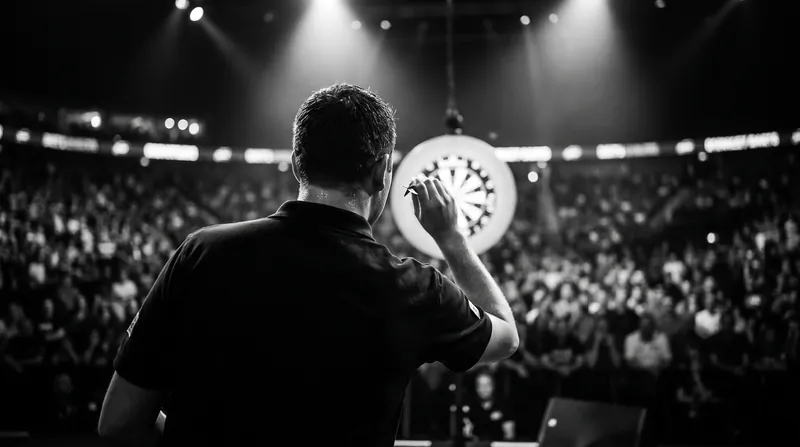
Darts Injury Report: Ilagan Sidelined by Medical Issue as Taylor Recovers from Hip Surgery
3 sources
Standings
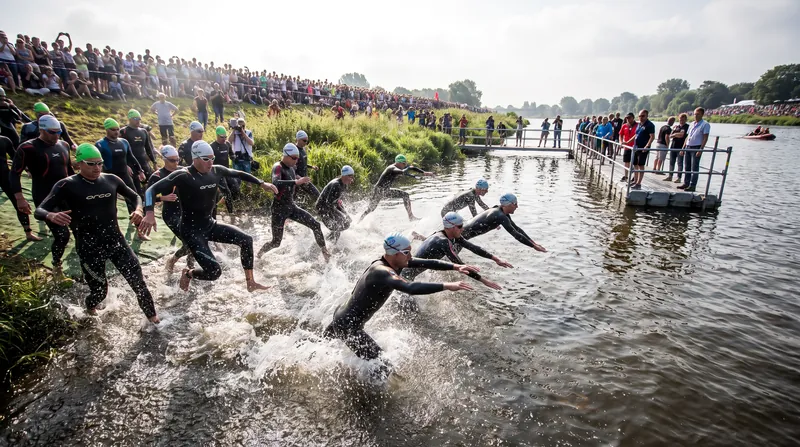
Beaugrand and Vilaça Hold the Cards as WTCS Grand Final Looms in Pontevedra
2 sources
Recap
Sami Zayn Captures Undisputed WWE Championship from CM Punk in Chaotic Mexico City SmackDown
7 sources
Injury
Gymnastics Injury Report: Blakely Returns, Japan's Men Battle Setbacks Ahead of Rotterdam
4 sources
Every angle. Every day.
Get Sports stories with full source coverage and perspective breakdowns delivered to your inbox.