full timeline
US third-country deportation policy
Follow US third-country deportation policy in the Factlen app and get an alert when there is news. Get the app
Share this story
Latest
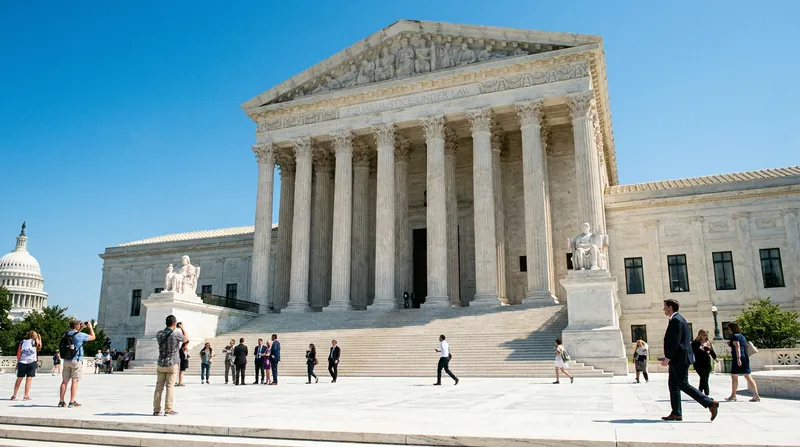
On October 4, 2026, the Supreme Court issued a 6-3 emergency order allowing the Trump administration to immediately resume deporting migrants to countries other than their homelands. The Tuesday ruling temporarily lifted a lower-court injunction that had halted the removals. Under the policy, the administration has already deported approximately 25,000 people to at least 29 different countries.
Prior to the Supreme Court order, a coalition of United Nations independent experts demanded an immediate halt to the United States transfer agreements on September 28, 2026. The experts warned the policy triggers a cascade of human rights violations and breaches international law, accusing the United States of failing to conduct individualized risk assessments before transferring asylum seekers.
How the story developed
A 2025 policy allowed the Department of Homeland Security to deport noncitizens to countries other than their homelands with as little as six hours of notice when their countries of origin refused to accept them. The Trump administration signed third-country deportation agreements with at least 35 nations.
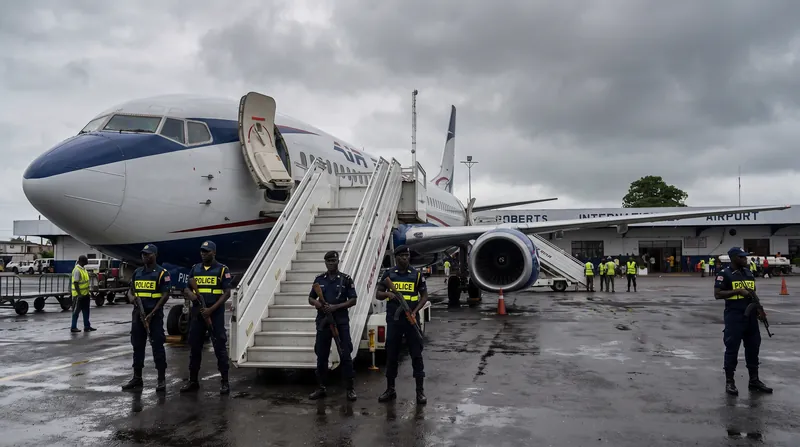
On August 25, 2026, the United States carried out its first deportation flight to Liberia, landing 20 migrants largely from Latin America and the Caribbean who had no ties to the West African nation. The flight was part of a new bilateral agreement for Liberia to accept up to 1,200 non-Liberian deportees over the next 12 months. Liberian officials framed the agreement as humanitarian, noting deportees could apply for local asylum, while human rights groups condemned the policy as a legal loophole to bypass protections for asylum-seekers.
The First Circuit Court of Appeals struck down the fast-track third-country deportation policy on September 21, 2026. The court ruled that immigration officials must provide noncitizens with effective written notice and a meaningful opportunity to claim fear of persecution before deporting them. The ruling rejected the administration's reliance on blanket assurances from receiving countries that deportees would not face torture, though it did not ban third-country deportations entirely provided individualized fear screenings were implemented before flights departed.
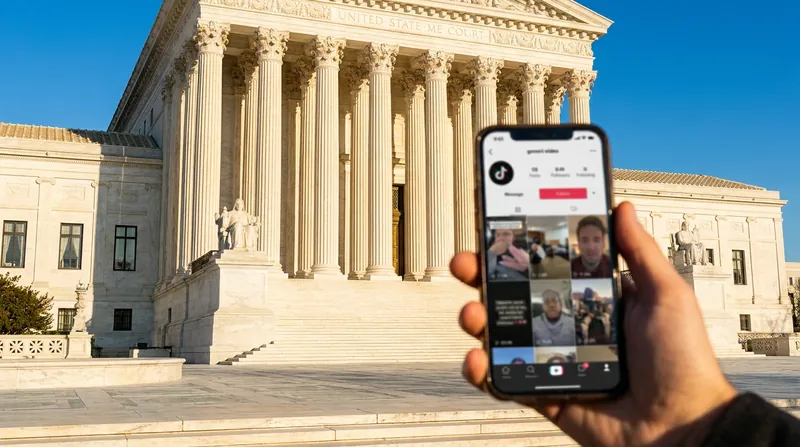
Following a late Wednesday order by the First Circuit that dissolved a stay and effectively halted the removals, the Trump administration filed an emergency application to the Supreme Court on September 25, 2026. The administration argued the lower court's requirements caused chaos, citing the immediate cancellation of a flight carrying 70 deportees.
What to watch
- The Supreme Court will hear full oral arguments on the legality of the third-country removal protocols in December 2026.
Charts, maps and images
Show 3 moreShow fewer
Timeline
October 2026
US Supreme Court Allows Immediate Resumption of Third-Country Migrant Deportations
AI-generatedAI-generatedAI-generated
September 2026
UN Experts Warn US Deportations to 35 Third Countries Cause 'Cascade of Human Rights Violations'
Trump Administration Makes Emergency Appeal to Supreme Court to Resume 'Third-Country' Deportations
Federal Appeals Court Strikes Down Fast-Track Third-Country Deportation Policy


August 2026
US Begins Mass Deportations to Liberia Under New Bilateral Agreement With First 20 Migrants