full timeline
US Sanctions on Iran
Follow US Sanctions on Iran in the Factlen app and get an alert when there is news. Get the app
Share this story
Latest
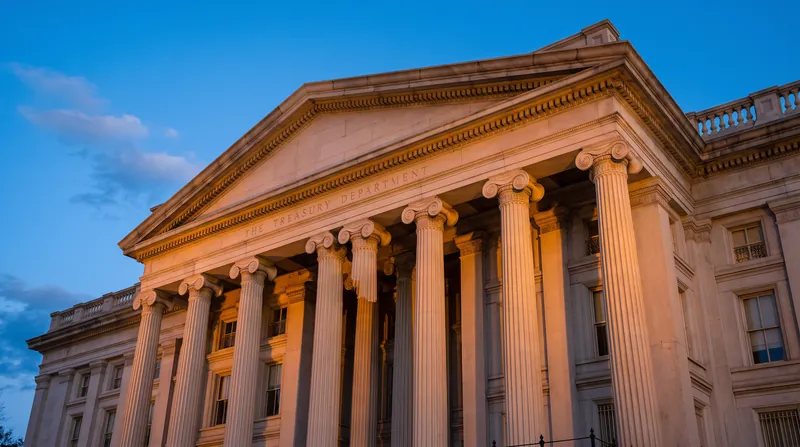
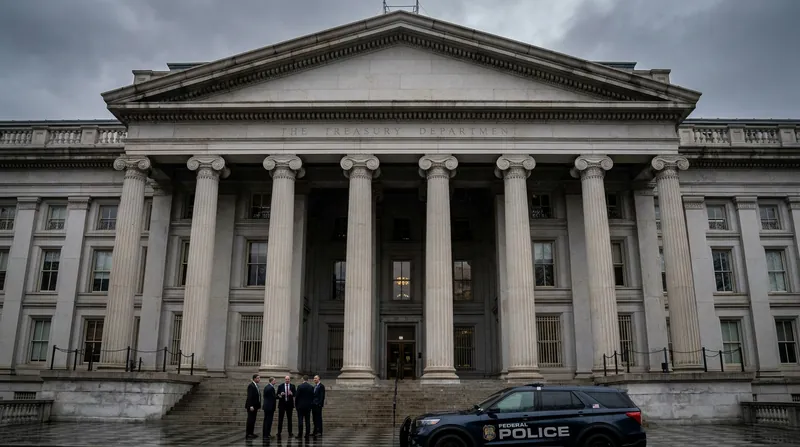
On September 17, 2026, the U.S. Treasury sanctioned the Iranian cryptocurrency exchange BitBank. The Office of Foreign Assets Control blacklisted the digital asset platform, freezing its U.S. assets and severing its access to global liquidity networks.
The exchange was identified as processing transit payments for vessels navigating the Strait of Hormuz. The U.S. Treasury stated that the funds routed through the platform directly supported the Islamic Revolutionary Guard Corps. The designation threatens secondary sanctions for any foreign institutions that fail to comply.
How the story developed
Between 2022 and 2024, the application of U.S. secondary sanctions surged by nearly 390 percent. By August 26, 2026, the U.S. Treasury had launched a secondary sanctions campaign named Operation Economic Outcast, designed to sever Iran's remaining ties to the global economy.
The campaign relies on threatening to cut off foreign entities from the U.S. dollar system if they trade with Tehran. This policy forces non-aligned nations in the Global South to choose between their economic sovereignty and access to global finance. China, which purchases approximately 80 percent of Iran's shipped oil, faces a direct challenge to its banking sector as a result of the policy.
The U.S. Treasury also extended these secondary sanctions to digital assets, transforming global cryptocurrency networks into an extension of American financial policy. The Office of Foreign Assets Control enforces these sanctions on a strict liability basis, meaning that intent or knowledge is not required for a violation.
Under this framework, stablecoin issuers represent a critical chokepoint because they can be compelled to freeze assets at the protocol level. Blockchain transparency makes evasion highly visible, allowing the Office of Foreign Assets Control to target specific wallet addresses and smart contracts. Analysts warned that weaponizing the dollar could accelerate global efforts to build alternative financial systems.
Key numbers
From: US Secondary Sanctions Extend American Financial Policy Over Global Crypto Networks
Charts, maps and images
Timeline
September 2026
US Treasury Sanctions Iranian Crypto Exchange BitBank Over Hormuz Transit Payments
August 2026
How 'Operation Economic Outcast' Forces Global Markets to Choose Between the Dollar and Iran
AI-generatedAI-generatedAI-generatedAI-generated- How 'Operation Economic Outcast' Forces Global Markets to Choose Between the Dollar and IranThe U.S.
- US Secondary Sanctions Extend American Financial Policy Over Global Crypto NetworksBy extending secondary sanctions to digital assets, the US Treasury has transformed global cryptocurrency networks into an extension of American financial policy.