full timeline
US–Iran military tensions
Follow US–Iran military tensions in the Factlen app and get an alert when there is news. Get the app
Share this story
Latest
On October 24 by 22:23 UTC, a newly disclosed unclassified memo from Director of National Intelligence Jay Clayton warned that Iranian lethal plots targeting United States citizens have reached advanced stages.
The October 23 directive, sent to Secretary of State Marco Rubio, stated that Tehran has substantially increased its efforts to target American personnel in the Middle East and other countries, prompting several diplomatic posts to move to restricted operations.
How the story developed
Prior to October 24, Iran-aligned Houthi militants conducted a broad assault targeting Saudi Arabian oil infrastructure and airports.
The assaults by the Houthi militants triggered the United States to order the departure of non-emergency personnel from the kingdom.
On October 24, tensions escalated amid reports of a potential joint United States-Israeli military campaign, causing Brent crude oil prices to surge to $113.40 a barrel.
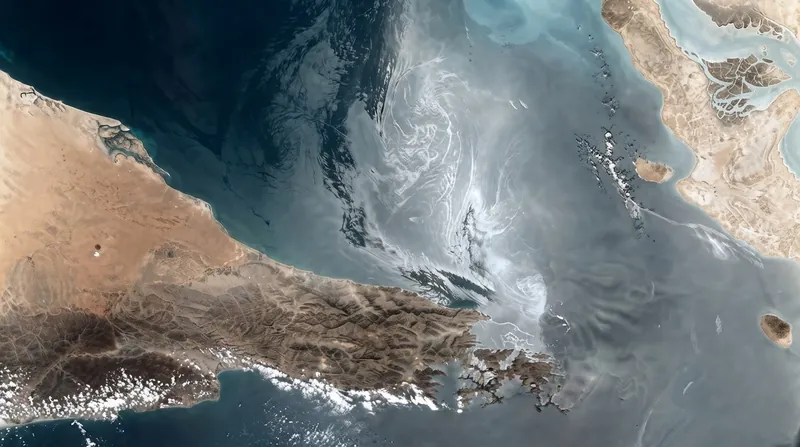
By 04:28 UTC on October 24, Iranian military officials threatened to sever seven major subsea communications and internet cables in the Strait of Hormuz if the United States and Israel renew attacks. Tehran also expanded its list of potential targets to include artificial intelligence facilities and data centers across the Persian Gulf.
Amid warnings and intelligence showing that Iran is planning imminent attacks, the United States ordered diplomats to leave Saudi Arabia.
What to watch
- The State Department is evaluating staffing levels at United States embassies across the region.
Where things stand
US Intelligence Warns Iranian Plots Against Americans Have Reached Advanced Stages
Key point: The U.S. intelligence community has warned that Iranian efforts to kill American personnel abroad have reached advanced stages, prompting security reviews at embassies across the Middle East.
A newly disclosed unclassified memo from Director of National Intelligence Jay Clayton warns that Iranian lethal plots targeting U.S. citizens have reached "advanced stages." The October 23 directive, sent to Secretary of State Marco Rubio, states that Tehran has substantially increased its efforts to target American personnel in the Middle East and other countries.
The intelligence assessment has prompted the State Department to evaluate staffing levels at U.S. embassies across the region, with several diplomatic posts moving to restricted operations. The warning coincides with escalating regional hostilities, including a broad assault by Iran-aligned Houthi militants on Saudi Arabian oil infrastructure and airports, which previously triggered the departure of non-emergency U.S. personnel from the kingdom.
Charts, maps and images
Timeline
October 2026
Tensions between the United States and Iran have escalated amid mutual security threats and the prospect of direct military confrontation.
- US Intelligence Warns Iranian Plots Against Americans Have Reached Advanced StagesKey point: The U.S. intelligence community has warned that Iranian efforts to kill American personnel abroad have reached advanced stages, prompting security reviews at embassies across the Middle East.