full timeline
International Monetary Fund–World Bank
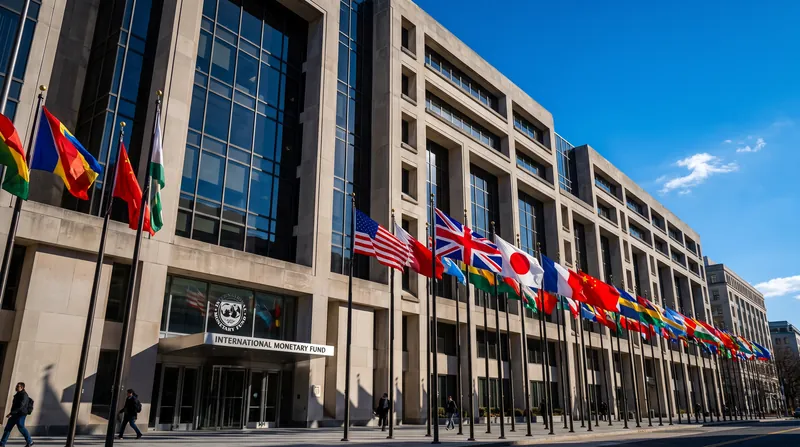
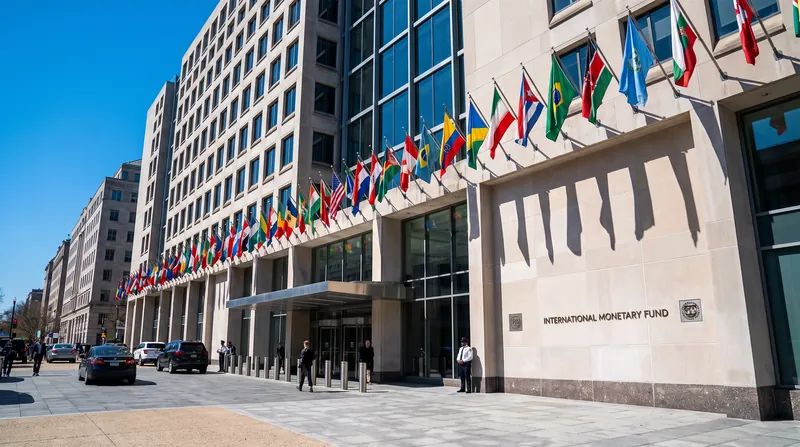
The International Monetary Fund and World Bank have approved the first major reforms since 2017 to their joint Debt Sustainability Framework for low-income countries. The updated system formally integrates domestic debt vulnerabilities and long-term climate adaptation costs into official debt-carrying capacity assessments.
Factlen Newsroom· Updated
Follow International Monetary Fund–World Bank in the Factlen app and get an alert when there is news. Get the app
AI-generated
Share this story
Charts, maps and images
AI-generated
AI-generated
AI-generated
Timeline
September 2026
IMF and World Bank Overhaul Debt Framework to Include Domestic Debt and Climate Risk
The 30, 40, and 55 Percent PV-to-GDP Thresholds: How the IMF Classifies Debt-Carrying Capacity