full timeline
Southeast Asian haze crisis
Follow Southeast Asian haze crisis in the Factlen app and get an alert when there is news. Get the app
Share this story
Latest
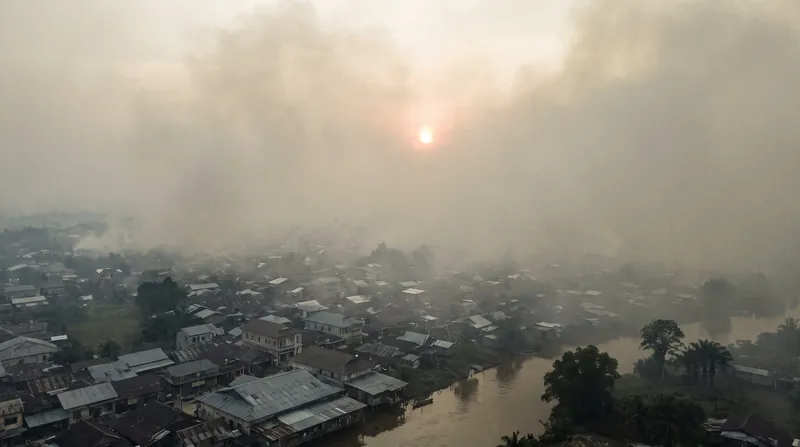
By 09:33 UTC on October 19, conservation teams reported the evacuation of at least 51 critically endangered orangutans from burning forests across West Kalimantan in Indonesian Borneo. The severe regional pollution crisis has blanketed Indonesia, Malaysia, and Singapore in toxic smoke, resulting in closed schools and grounded flights.
The human toll of the crisis expanded, claiming the lives of four firefighters in Indonesia amid a surging demand for air purifiers.
By 08:35 UTC on October 20, Singapore issued preventive legal notices to multiple Indonesian companies under its Transboundary Haze Pollution Act. The action risks diplomatic friction but signals a shift toward holding foreign entities financially liable for cross-border environmental damage.
How the story developed
The crisis began escalating in early August as intense El Niño conditions and the burning of carbon-rich, drained peatlands fueled wildfires across Indonesia. The hazardous air quality exposed more than 12.5 million people across seven Indonesian provinces.
Between September 1 and September 9, acute respiratory infections in Indonesia surged from 50,891 to 113,336 cases. Children under five accounted for more than 20 percent of the recorded illnesses.
The transboundary smoke began spreading outward, initially affecting air quality in neighboring Malaysia. As the blazes destroyed vital habitats, critically endangered orangutans were forced into agricultural plantations, overwhelming wildlife rescue centers.
On October 8, eight rehabilitated orangutans were successfully released into a protected forest. The release freed up necessary space in the facilities handling the displaced apes.
What to watch
- Authorities are actively investigating whether Singapore-based companies are linked to the affected Indonesian peatlands.
- Indonesian firms found guilty of contributing to the transboundary smoke face fines of up to S$2 million.
Charts, maps and images
Timeline
October 2026
Singapore Weighs Legal Action Against Indonesian Firms as Wildfire Haze Turns Deadly
Dozens of Orangutans Rescued from Indonesian Wildfires as Toxic Haze Blankets Region


September 2026
Indonesian Peat Fires Double Respiratory Infections to Over 113,000 as Haze Spreads