full timeline
RTX 50-series GPU supply crisis
Follow RTX 50-series GPU supply crisis in the Factlen app and get an alert when there is news. Get the app
Share this story
Latest
On September 15, 2026, by 02:56 UTC, photographs from server assembly facilities revealed that artificial intelligence startups were buying retail RTX 5090 graphics cards by the pallet. The corporate bulk-buying drove the price of the flagship GPU past $5,000, more than double its $1,999 launch price, as firms utilized the consumer cards as a cost-effective alternative to Nvidia's $16,000 RTX 6000 Pro enterprise accelerators.
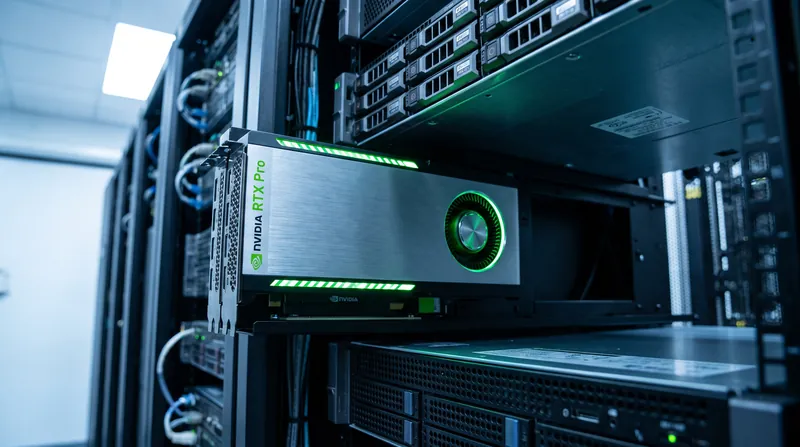
Later that day, by 20:23 UTC, Nvidia launched the RTX Pro 5500 Workstation Edition to protect its lucrative data center margins. The company repurposed the silicon from the consumer RTX 5090 to create the new enterprise GPU, which features the same 21,760 CUDA cores but includes 84GB of GDDR7 memory, representing a 2.6-times increase over the gaming flagship.
The RTX Pro 5500 is designed specifically for rack-mounted deployment and supports Multi-Instance GPU splitting. The launch arrived as the corporate purchasing of the consumer models continued to impact the market.
How the story developed
The supply crisis for the RTX 50-series graphics cards developed as the flagship hardware was effectively erased from the retail market, causing a severe shortage in the United States. Unlike the cryptocurrency mining boom of 2021, Nvidia did not introduce firmware limiters to protect the consumer gaming supply from alternative uses.
Without firmware limiters in place, the consumer hardware became highly sought-after for server environments. This demand led to secondary market markups that pushed the cost of the graphics cards significantly above their original retail value.
To counter the secondary market markups, Nvidia initiated a direct-to-consumer strategy to provide gamers with access to the hardware. The company began conducting event-driven drops, starting with a sales event at QuakeCon in August 2026.
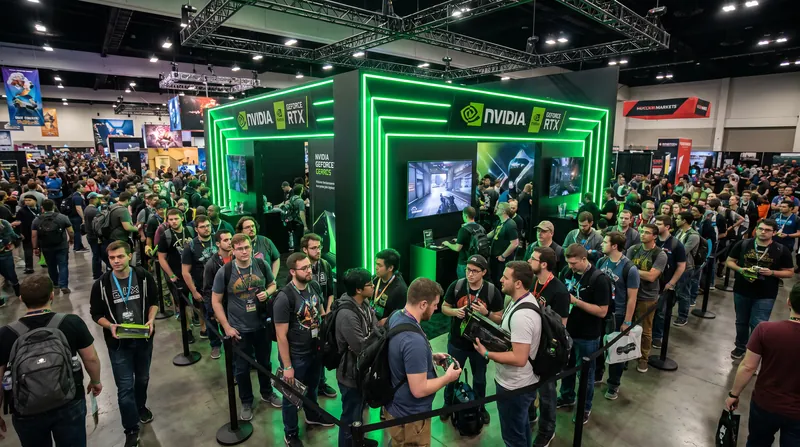
On September 13, 2026, by 15:19 UTC, Nvidia offered attendees at PAX West the rare opportunity to purchase its RTX 50-series Founders Edition graphics cards at their original launch prices. The in-person sales event successfully bypassed the inflated secondary market.
The PAX West sales were conducted through the "Verified Priority Access IRL" program. This system required buyers to be physically present to purchase the hardware, ensuring the graphics cards went directly to consumers rather than corporate buyers or resellers.
Charts, maps and images
Timeline
September 2026
AI Firms Bulk-Buying Retail RTX 5090s Drive Prices Over $5,000, Causing US Shortage
AI-generatedAI-generatedAI-generatedAI-generated- AI Firms Bulk-Buying Retail RTX 5090s Drive Prices Over $5,000, Causing US ShortageArtificial intelligence startups are buying pallets of consumer RTX 5090 graphics cards for server use, effectively erasing the flagship GPU from the retail market and pushing prices past $5,000.
- Nvidia Overhauls RTX 5090 for AI Margins, Launches RTX Pro 5500 With 2.6X VRAM for EnterpriseNvidia has repurposed the silicon from its flagship consumer graphics card to create the RTX Pro 5500, an enterprise GPU featuring 84GB of memory.
Nvidia Bypasses Retailers to Sell RTX 50-Series GPUs at MSRP to Consumers at PAX West