full timeline
Mail-in voting legal challenges
Follow Mail-in voting legal challenges in the Factlen app and get an alert when there is news. Get the app
Share this story
Latest
By 19:19 UTC on September 14, 2026, U.S. District Judge Carl J. Nichols had blocked the U.S. Postal Service's new mail-in voting rule late Sunday, marking the second federal injunction against the policy in ten days. The Trump administration asked the Supreme Court to lift the injunctions via its emergency docket.
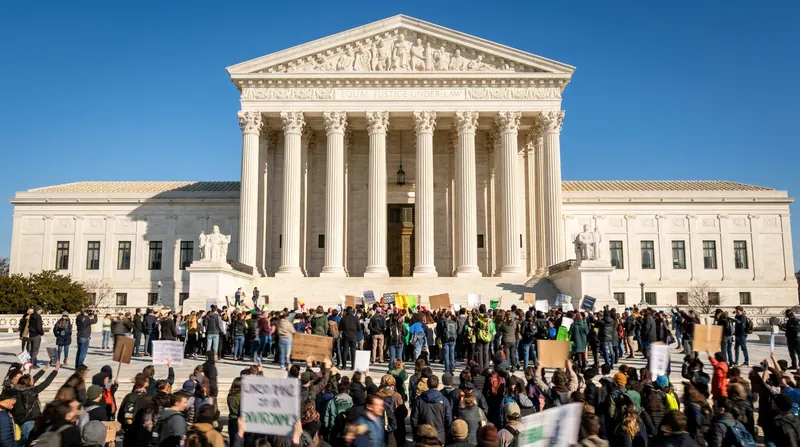
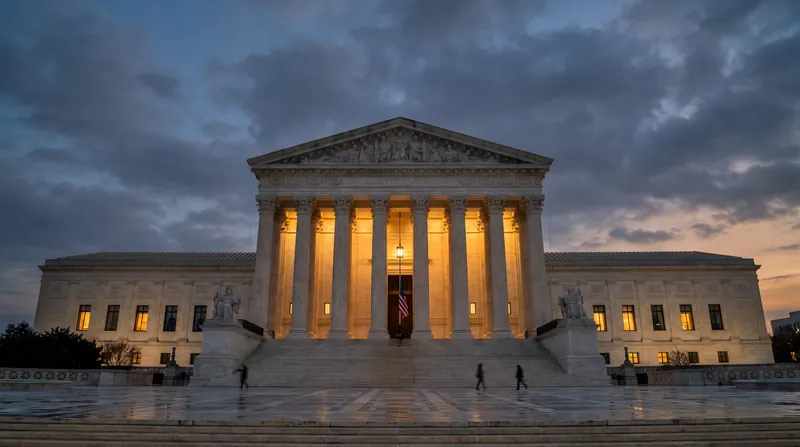
By 02:13 UTC on September 15, 2026, the Supreme Court rejected the last-minute bid to impose the new restrictions on mail-in ballots ahead of the November midterms. The decision, issued via the Court's emergency shadow docket, halted the changes and preserved existing state election procedures just weeks before ballots are distributed.
How the story developed
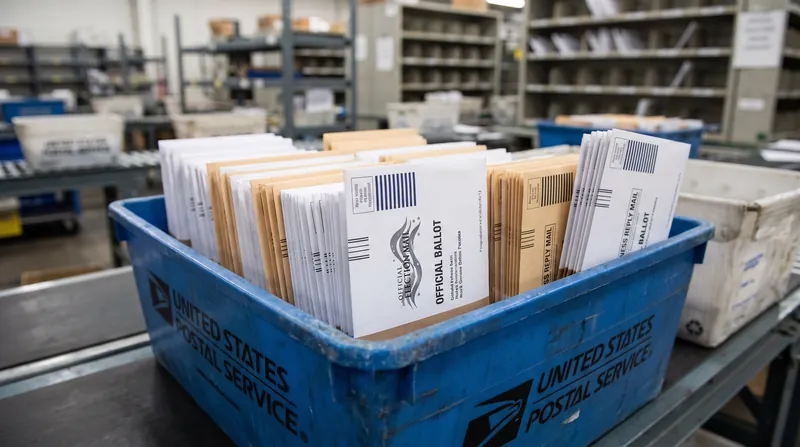
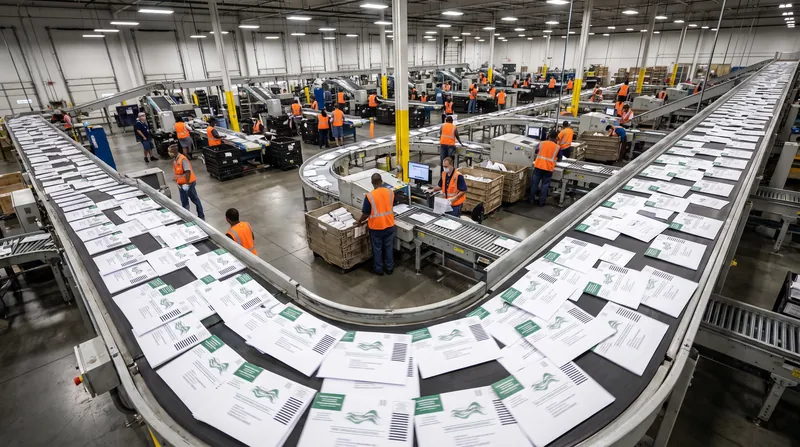
The legal dispute centered on a new U.S. Postal Service rule that would have required states to register voters in a federal portal and use specific barcodes on ballot envelopes before the Postal Service would deliver them. Conservative proponents argued the restrictions were necessary for election security.
State election officials and challengers warned that implementing the mandate weeks before the election was virtually impossible and would cause administrative chaos, potentially disenfranchising millions of voters. States argued that redesigning and reprinting envelopes for the 50 million expected mail ballots could not be completed before the November midterms.
On September 10, 2026, the First Circuit Court of Appeals refused to reinstate the Trump administration's mail-in voting restrictions. An appellate panel upheld an injunction blocking the USPS rule, halting what critics called an administrative overreach into state-run elections.
Following the First Circuit's decision, the Justice Department filed an emergency appeal to the Supreme Court seeking to lift the injunction. The administration also sought emergency Supreme Court intervention to revive the SAVE voter verification database.
The dispute reached the Supreme Court's emergency docket, where justices had to navigate the Purcell principle, a doctrine that generally bars federal courts from changing election rules right before an election. The Supreme Court ultimately blocked the last-minute restrictions, preserving the decentralized patchwork of state election laws where access to mail-in voting varies significantly by jurisdiction, a decision civil rights groups praised as a defense against voter disenfranchisement.
What to watch
- The Trump administration is seeking emergency Supreme Court intervention to revive the SAVE voter verification database.
- Mail-in ballots are scheduled to be distributed in the coming weeks ahead of the November 2026 midterms.
Charts, maps and images
Show 1 moreShow fewer
Timeline
September 2026
Supreme Court Rejects Bid to Restrict Mail-In Ballots Ahead of 2026 Midterms
Explainer: The Legal Mechanics of the 2026 Mail-In Voting Overhaul
AI-generatedAI-generatedAI-generatedPurcell Principle Shapes Supreme Court Clashes over 2026 Midterm Voting Rules
AI-generatedAI-generatedAI-generatedAI-generated- Purcell Principle Shapes Supreme Court Clashes over 2026 Midterm Voting RulesWith the First Circuit blocking new mail-in voting restrictions, the Supreme Court's emergency docket will decide the rules for the 2026 midterms based on a doctrine against late-stage election changes.
- Federal Appeals Court Blocks USPS Mail-In Ballot Rule Ahead of MidtermsA federal appeals court has upheld an injunction against a new U.S.