full timeline
Google–SpaceX
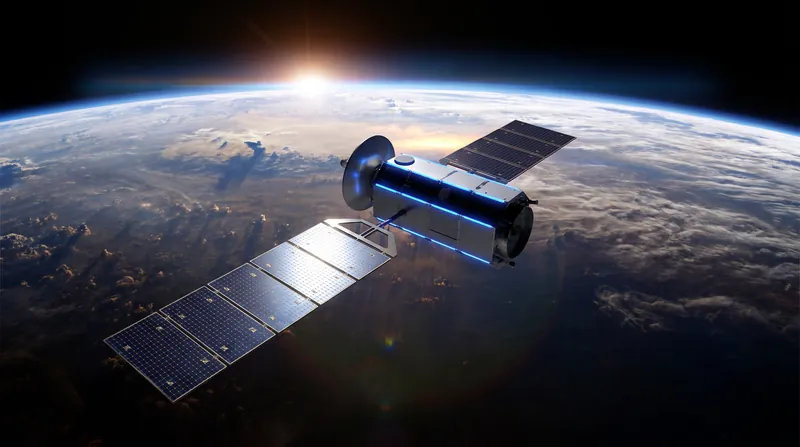
Google has deployed a prototype satellite carrying four Tensor Processing Units into low Earth orbit, initiating a long-term experiment to determine if space can host scalable artificial intelligence infrastructure. The mission aims to test whether the benefits of unfiltered solar power can outweigh the severe thermal and radiation challenges of a vacuum.
Factlen Newsroom· Updated
Follow Google–SpaceX in the Factlen app and get an alert when there is news. Get the app
AI-generated
Share this story
Charts, maps and images
AI-generated
AI-generated
AI-generated
AI-generated
Timeline
October 2026
Google Launches First Project Suncatcher Satellite to Test In-Orbit AI Computing

September 2026
Google to Launch First AI Chips Into Space Aboard SpaceX Rocket