
full timeline

FTC Signals Personalized Pricing May Be Illegal Deception; Extends Public Comment Period
The U.S. House Oversight Committee has requested a staff-level briefing from the Federal Trade Commission regarding its proposed enforcement policy on surveillance pricing. The move escalates congressional scrutiny into how retailers and platforms use consumer data to dynamically alter prices.

Factlen Newsroom· Updated

Follow FTC Signals Personalized Pricing May Be Illegal Deception; Extends Public Comment Period in the Factlen app and get an alert when there is news. Get the app

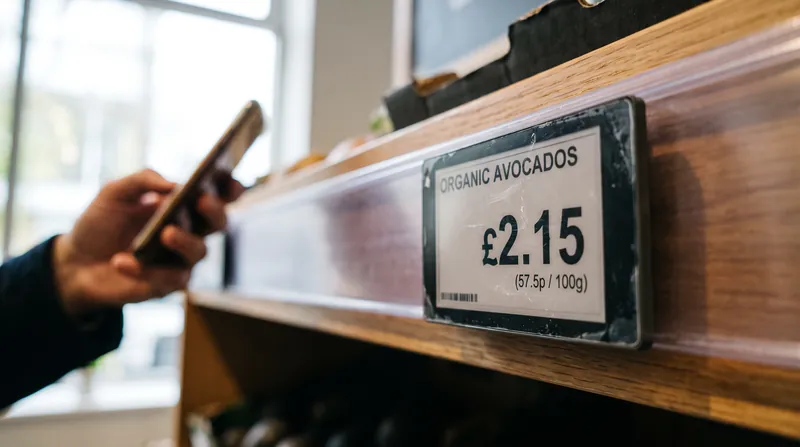
Electronic shelf labels and AI algorithms allow retailers to adjust prices in real time, prompting federal scrutiny over how consumer data influences those changes.From: House Oversight Committee Demands Briefing on FTC's Personalized Pricing Policy

Share this story

Charts, maps and images

The FTC's proposed guidance outlines three specific disclosures businesses must make when utilizing personalized pricing.From: FTC Signals Personalized Pricing May Be Illegal Deception; Extends Public Comment Period ·
The FTC recently extended the public comment period for its proposed enforcement policy on personalized pricing to September 25, 2026.From: House Oversight Committee Demands Briefing on FTC's Personalized Pricing Policy ·
Lawmakers are concerned that consumers are frequently unable to determine whether their personal data is being used to set the prices they are charged online or in stores.From: House Oversight Committee Demands Briefing on FTC's Personalized Pricing Policy ·
Retailers and food delivery services increasingly rely on algorithmic tools to set prices, prompting new scrutiny from state and federal regulators.From: FTC Signals Personalized Pricing May Be Illegal Deception; Extends Public Comment Period ·

September 2026

  1. House Oversight Committee Demands Briefing on FTC's Personalized Pricing Policy
  2. FTC Signals Personalized Pricing May Be Illegal Deception; Extends Public Comment Period