full timeline
APOE4–Icahn School of Medicine at Mount Sinai
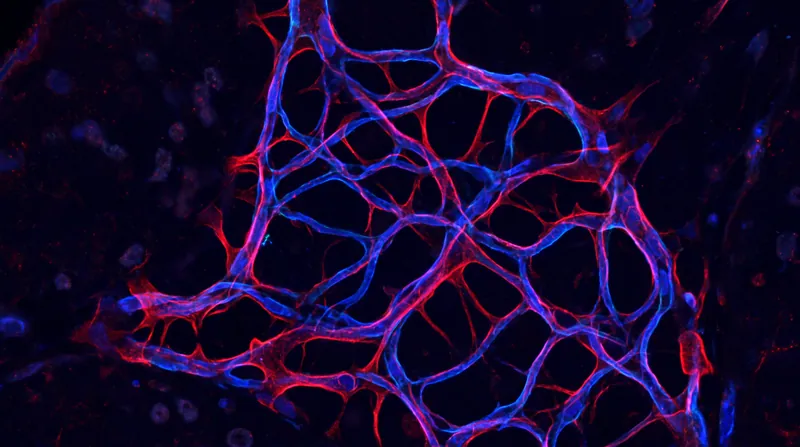
Researchers have successfully used an experimental gene therapy to convert the high-risk APOE4 Alzheimer's gene into the safer APOE3 variant in human cells. Concurrently, scientists discovered how APOE4 actively damages brain blood vessels, revealing a reversible mechanism that could lead to new treatments.
Factlen Newsroom· Updated
Follow APOE4–Icahn School of Medicine at Mount Sinai in the Factlen app and get an alert when there is news. Get the app
AI-generated
Share this story
Charts, maps and images
AI-generated
AI-generated
AI-generated
AI-generated
Timeline
September 2026
Gene Therapy Converts High-Risk APOE4 Gene to Low-Risk APOE3 in Alzheimer's Patient Cells
APOE4 Gene Actively Damages Brain Vessels in Alzheimer's, Mechanism Shown to Be Reversible by Blocking TGF-β Signaling