
USDA Issues Class I Recall for 25,000 Pounds of Buffalo Chicken Over Missed Inspections
Federal regulators have pulled nearly 25,000 pounds of frozen buffalo chicken from shelves across five states after discovering the products bypassed mandatory safety inspections.

Share this story
Most shoppers assume a "Class I" food recall—the government’s highest risk category—means a dangerous bacteria like Salmonella or Listeria has already been detected in the meat. But the reality of the American food safety net is strictly preventative. This week, the U.S. Department of Agriculture (USDA) forced the recall of nearly 25,000 pounds of frozen buffalo chicken products not because they tested positive for a pathogen, but because they bypassed the federal inspection process entirely.[1][4]
The Food Safety and Inspection Service (FSIS) issued the sweeping alert after discovering that the manufacturer shipped the ready-to-cook chicken items without presenting them for the mandatory federal review. For families planning weekend gatherings, packing school lunches, or stocking up for quick weeknight dinners, this missing regulatory step transforms a convenient freezer staple into a potential health hazard. It requires immediate attention and proactive action from anyone who recently purchased frozen poultry in the affected regions, as the products look entirely normal to the naked eye.[2]
The recall affects 24,900 pounds of buffalo-style chicken distributed across five states. These are the kinds of heavily seasoned, breaded, and frozen items that easily get lost in the back of a deep freezer, waiting for a game day or a busy evening when cooking from scratch isn't an option. Because they are often par-cooked or flash-fried before freezing, they can give the home cook the illusion of being fully cooked, making rigorous upstream inspection critical to ensuring they are safe to handle and consume.[2][5]
Newsweek reports that the USDA elevated this to a Class I recall, which is reserved for situations where there is a "reasonable probability that the use of the product will cause serious, adverse health consequences or death." While no illnesses have been reported yet, the lack of oversight means the agency cannot guarantee the meat was processed at safe temperatures or in sanitary conditions. Without an inspector on the floor verifying critical control points, the entire batch is legally and practically considered adulterated.[4]
The products were shipped to retail locations and distribution centers, prompting a scramble among grocers to pull the affected batches from their frozen aisles before more customers purchase them. Consumers in the five affected states are being urged to check the USDA marks of inspection on their packaging. Products subject to the recall bear specific establishment numbers inside the USDA mark, which serves as the only reliable way to identify the uninspected batches among otherwise identical bags of frozen chicken.[3]
This incident highlights a critical vulnerability in the modern cold chain. When a product skips inspection, it isn't just a bureaucratic paperwork error; it removes the primary physical barrier between industrial meat processing and the consumer's kitchen. The FSIS relies on continuous, on-site inspection at poultry plants to monitor everything from the health of the birds to the cleanliness of the processing equipment, ensuring that invisible threats are mitigated long before the chicken is breaded and frozen.[1]
For home cooks, the advice from food safety experts is unequivocal: do not attempt to cook your way out of the risk. While thorough cooking to 165 degrees Fahrenheit kills most live bacteria, it does not neutralize heat-stable toxins that can form if the meat was mishandled or stored at improper temperatures prior to freezing. The USDA is instructing anyone who finds the recalled buffalo chicken in their freezer to throw it away immediately or return it to the place of purchase for a full refund.[3][4]
The logistics of a frozen food recall present unique challenges compared to fresh meat. Fresh chicken expires quickly and cycles out of the supply chain in days, meaning the risk window naturally closes. Frozen breaded chicken, however, can sit in a residential chest freezer for months before being consumed. This extended shelf life means the danger lingers long after the headlines fade, making it imperative for consumers to proactively audit their frozen inventory rather than assuming the threat has passed.
Where opinion splits
Food Safety Regulators
Federal agencies prioritize strict adherence to the inspection process as the only reliable safeguard against contamination.
For the USDA and FSIS, the inspection process is non-negotiable. Regulators argue that bypassing federal oversight, even accidentally, invalidates the entire safety profile of a meat product. Because inspectors monitor critical control points—such as chilling temperatures and sanitation protocols—their absence means the agency must assume the product is compromised. A Class I recall is deployed not as a punishment, but as a necessary containment measure when the chain of custody is broken.
Consumer Protection Advocates
Advocates emphasize the burden placed on consumers to catch supply chain failures at the freezer door.
Consumer watchdogs point out that by the time a recall is issued for a frozen, long-shelf-life product, a significant portion has already been purchased and stored in home freezers. They argue that relying on shoppers to check establishment numbers on packaging is an imperfect safety net. These advocates push for better traceability technology and stricter penalties for manufacturers who fail to present products for inspection, ensuring the burden of safety remains on the producer rather than the family cooking dinner.
Key points
- The USDA issued a Class I recall for 24,900 pounds of frozen buffalo chicken products.
- The products were distributed to retail locations across five states.
- The recall was triggered because the items bypassed mandatory federal inspection.
- No illnesses have been reported, but the lack of inspection poses a high health risk.
- Regulatory Authorities
- Focus on strict compliance and immediate removal of uninspected products to prevent potential health crises.
- Consumer Safety Watchdogs
- Highlight the severe risks of uninspected meat and the need for public awareness.
Perspectives this story doesn't cover
- The manufacturer of the recalled chicken products
- Grocery retailers managing the logistics of the recall
Sources
Source coverage
5 outlets
2 viewpoints surfaced





- [1]NTDRegulatory Authorities
USDA Recalls 24,900 Pounds of Buffalo Chicken Products
Read on NTD → - [2]KarmactiveConsumer Safety Watchdogs
USDA Recalls 24,900 Pounds of Buffalo Chicken Products Without Federal Inspection Across 5 States
Read on Karmactive → - [3]FOX 13 SeattleRegulatory Authorities
Frozen buffalo chicken products recalled over inspection issue
Read on FOX 13 Seattle → - [4]NewsweekConsumer Safety Watchdogs
Frozen Buffalo Chicken Recall: Highest Risk Warning Over Food Safety
Read on Newsweek → - [5]newscentermaine.comRegulatory Authorities
Nearly 25,000 pounds of frozen buffalo chicken products recalled in 5 states
Read on newscentermaine.com →
More in Food & Drink
See all →Food Safety
FDA Proposes Mandatory Safety Review to Close 'GRAS' Food Ingredient Loophole
7 sources
Sodium Limits
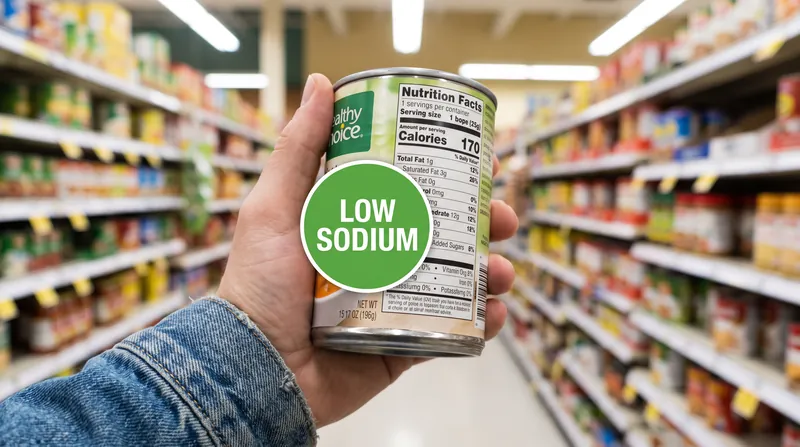
The 140 Milligrams Per Serving Maximum: How the FDA Defines a 'Low Sodium' Food
8 sources
Food Security
Mid-Year Global Report Projects 44.5% Decline in Food Aid Funding by 2026
4 sources

Cholesterol Science
The SREBP-2 Pathway: How Saturated Fat Downregulates LDL Receptors to Raise Blood Cholesterol
7 sources

Comments
Every angle. Every day.
Get Food & Drink stories with full source coverage and perspective breakdowns, free every day.