
Tyler Wright's Resilient 2026 WSL Campaign: Overcoming Severe Back Injuries to Reach the El Salvador Final
After contemplating retirement due to debilitating back and hip injuries, two-time World Champion Tyler Wright has mounted an inspiring comeback, recently reaching the finals at the Surf City El Salvador Pro.
By Ryder James

- Veteran Competitors
- Views Wright's comeback as proof that experience and mental fortitude can overcome physical setbacks on the modern tour.
- Surfing Analysts
- Focuses on the competitive implications of Wright's return and her impact on the 2026 Championship Tour standings.
- Medical & Rehabilitation Teams
- Emphasizes the necessity of a slow, methodical recovery process for spinal injuries to ensure long-term mobility.
Perspectives this story doesn't cover
- Younger Challenger Series surfers waiting for veteran roster spots to open up
- Independent sports physiotherapists specializing in extreme sports spinal trauma
Summary
- Two-time World Champion Tyler Wright spent seven months out of the water prior to the 2026 season due to severe spinal and hip injuries.
- After contemplating retirement, Wright returned to competition but was forced to withdraw from the Margaret River Pro in April due to an injury flare-up.
- Demonstrating immense resilience, Wright bounced back to reach the finals at the Surf City El Salvador Pro in June.
- Her transparent journey through chronic pain and rehabilitation has drawn widespread praise from peers and fans alike.
Professional surfing demands an extraordinary physical toll, subjecting the body to violent rotational forces and heavy impacts. For two-time World Champion Tyler Wright, those forces culminated in a physical crisis that nearly ended her legendary career. Leading into the 2026 World Surf League (WSL) Championship Tour, Wright spent seven agonizing months completely out of the water.
The root of the crisis was severe deterioration in her sacroiliac joint and the discs in her lower back. The compounding damage from years of compensating for previous shoulder, neck, and ankle injuries had left her structural foundation severely compromised. The pain was so debilitating that Wright found herself struggling to perform basic daily functions, let alone execute the explosive maneuvers required on the elite tour.
"I'm 31, I've been around a few years now and I've had some pretty big setbacks," Wright admitted earlier in the year, noting that the slow rehabilitation process became incredibly limiting. The emotional weight of the injury pushed her to contemplate retirement. She openly credited her wife, Lilli, for providing the critical emotional support needed to navigate the darkest days of her recovery and keep her competitive fire alive.
Wright's resilience paid off when she paddled out for the season-opening events, but the comeback was far from linear. In mid-April, the grueling reality of chronic injury management reared its head. Just days before the Margaret River Pro in Western Australia—an event Wright historically dominates—she was forced to withdraw at the last minute due to an injury flare-up.[1]
The sudden withdrawal sent ripples of concern through the surfing community. The WSL quickly tapped Australian surfer Sophie McCulloch to fill in as the injury replacement. For Wright, missing Margaret River was a bitter pill to swallow, but it underscored a mature, long-term approach to her physical health: prioritizing structural stability over forcing her way through a single event.[1]
The sudden withdrawal sent ripples of concern through the surfing community.
Rather than allowing the Margaret River setback to derail her season, Wright and her medical team doubled down on her rehabilitation. The focus remained on stabilizing her core and managing the inflammation in her sacroiliac joint, ensuring that when she did return to the jersey, she could surf without hesitation.
That triumphant return materialized in June at the Surf City El Salvador Pro. Hosted at the world-class right-hand point break of Punta Roca, the event demanded exactly the kind of high-speed, power-carving approach that defined Wright's path to two world titles.[5]
Entering the Central American event with tempered external expectations, Wright quickly put the women's field on notice. She carved through the early rounds with trademark ferocity, proving that her foundational strength had fully returned. Her rail-to-rail surfing looked as sharp as ever, dismantling a talented roster of younger competitors.[2]
Wright's surge carried her all the way to the women's Final, setting up a blockbuster clash against five-time World Champion Carissa Moore. The heat was a masterclass in competitive surfing, featuring a back-and-forth exchange of excellent scores that came down to the final five minutes of the window.[2]
Although Moore ultimately edged out Wright to take the victory, the runner-up finish was universally celebrated as a massive triumph for the Australian. Moore herself acknowledged the significance of the moment, expressing her joy at seeing the tour's veterans pushing the limits and dominating the podium in 2026.[2][3]
Wright's journey this season highlights a broader narrative unfolding on the Championship Tour. While a new generation of highly touted rookies brings unprecedented aerial progression, veterans like Wright are proving that wave knowledge, tactical brilliance, and sheer mental fortitude remain the ultimate equalizers.[6][7]
By transparently sharing her struggles with chronic pain and the grueling reality of rehabilitation, Wright has elevated the conversation around athlete welfare in extreme sports. As the 2026 season progresses toward the WSL Finals, her presence in the lineup is no longer just about chasing a third world title—it is a testament to the enduring power of human resilience.[4]
Sources
Source coverage
7 outlets
3 viewpoints surfaced







- [1]The InertiaMedical & Rehabilitation Teams
Tyler Wright Pulls Out of Margaret River at Last Minute Due to Injury
Read on The Inertia → - [2]SurferVeteran Competitors
Carissa Moore Back-to-Back
Read on Surfer → - [3]Olympics.comVeteran Competitors
Olympic champion surfer Carissa Moore announces competitive return
Read on Olympics.com → - [4]WikipediaSurfing Analysts
2026 World Surf League
Read on Wikipedia → - [5]World Surf LeagueSurfing Analysts
Surf City El Salvador Pro Presented by Corona Cero
Read on World Surf League → - [6]SwellnetSurfing Analysts
2026 US Open Of Surfing - Early Rounds
Read on Swellnet → - [7]Tracks MagVeteran Competitors
John John Florence will not be competing on the WSL 2026 Championship Tour
Read on Tracks Mag →
Comments

More in Sports
See all →Standings
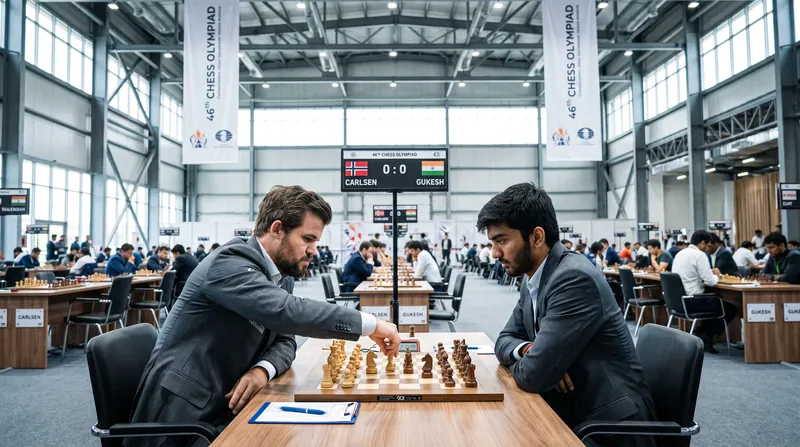
Race to Gold Narrows at 46th Chess Olympiad as US, India, and Uzbekistan Remain Perfect
7 sources
Recap
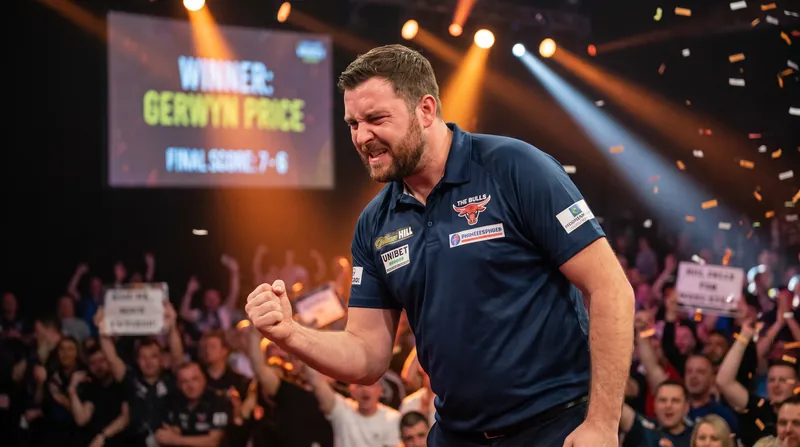
Gerwyn Price Survives Brody Klinge's Stunning Fightback at World Series of Darts Finals
4 sources
Storyline
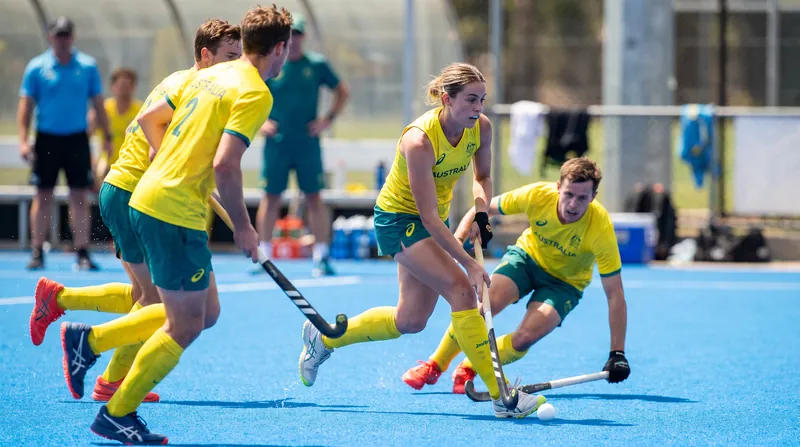
Hockey Australia Launches 'Talent Accelerator 2032' to Fast-Track Next Generation
4 sources
Storyline
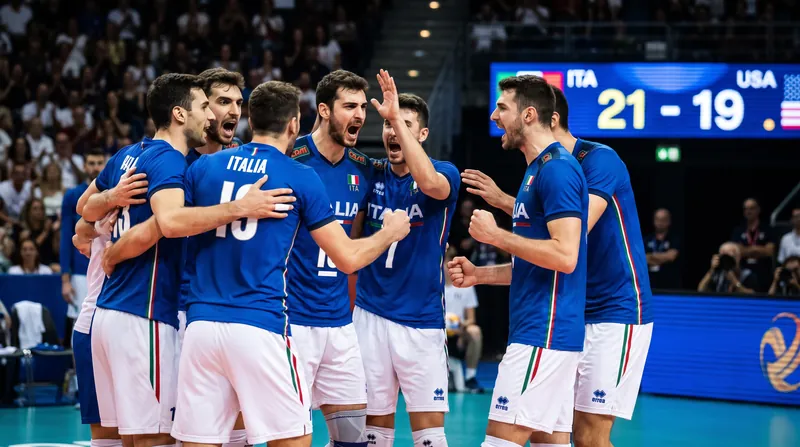
Italy Completes Flawless EuroVolley Group Stage as Knockout Phase Arrives in Turin and Sofia
6 sources
Every angle. Every day.
Get Sports stories with full source coverage and perspective breakdowns delivered to your inbox.