
Tour de France 2026 Injury Report: Vingegaard Evades Disaster as the Peloton Battles Through a Bruising First Week
The opening week of the 2026 Tour de France has tested the peloton's resilience, with Jonas Vingegaard surviving a late crash and Torstein Træen bravely finishing a mountain stage before abandoning with rib fractures. Despite mounting injuries and illnesses, the riders' sheer willpower and rapid team support have defined the race's grueling first chapters.

Share this story
The opening week of the 2026 Tour de France has delivered a bruising reminder that surviving the world's most famous cycling race requires as much luck as it does leg power. Across six frantic stages from Barcelona to the Pyrenees, the peloton has navigated extreme heat, narrow run-ins, and high-speed crashes.
Yet, the defining narrative of the first week has not just been the attrition rate, but the remarkable resilience of the riders and the rapid response of team support structures. For every rider forced to abandon, several more have remounted their bikes, patched up their wounds on the fly, and continued the grueling march toward Paris.[2]
The most consequential near-miss of the week occurred during the chaotic finale of Stage 5 in Pau. With just under five kilometers remaining, the road narrowed aggressively, sparking a high-speed pileup that split the peloton in two. Defending champion Jonas Vingegaard was caught directly behind the carnage. While he miraculously avoided hitting the tarmac, the Visma-Lease a Bike leader was forced to unclip, stop his momentum entirely, and required an immediate bike change as the lead sprint group powered away.
In a textbook display of team crisis management, Vingegaard's domestiques quickly dropped back from the front of the race, formed a protective aerodynamic shell around their leader, and paced him furiously back to the main group. Because the crash occurred just outside the three-kilometer safety zone, any time lost would have counted against the general classification. Thanks to his team's rapid and cohesive response, Vingegaard crossed the line safely in the same time as his chief rival, Tadej Pogačar, preserving his overall ambitions and avoiding a disastrous time deficit.
Unfortunately, other riders involved in the Stage 5 crash did not escape unscathed. Alex Molenaar of Caja Rural-Seguros RGA took the brunt of the impact, plowing full-speed into a traffic island. In a staggering display of adrenaline and willpower, the dazed Dutchman remounted his bicycle and actually finished the stage, rolling across the line seven minutes behind the stage winner.
However, the aftermath of Molenaar's crash sparked a serious conversation about rider safety and medical oversight. Post-stage medical evaluations revealed that Molenaar had fractured a metacarpal bone in his hand and suffered a concussion, with the rider admitting to Spanish media that he had absolutely no memory of the crash or the final kilometers of the stage.
He was officially withdrawn ahead of Stage 6, prompting safety advocates to question how the UCI's concussion protocols are applied in the heat of a frantic stage finale, when race medics have mere seconds to evaluate a rider who is desperate to keep racing.[2]
The race lead also changed hands due to sheer misfortune. On Stage 6, Torstein Træen of Uno-X Mobility, who had heroically captured the yellow jersey from a breakaway two days prior, crashed heavily on the treacherous, high-speed descent of the Col du Tourmalet. Træen clipped wheels with his own teammate, Anders Halland Johannessen, and hit the deck hard.
Initially, the Norwegian rider embodied the peloton's fighting spirit. He was quickly checked by his team car, shared a brief, tension-breaking laugh with Johannessen, and got back on his bike to finish the grueling mountain stage, albeit losing 13 minutes and surrendering the yellow jersey to Pogačar. However, the physical toll of the impact proved too severe; Uno-X Mobility later announced that Træen had suffered multiple rib fractures and a concussion, forcing his heartbreaking withdrawal from the Tour just as he was enjoying the pinnacle of his career.[3]
Beyond the visceral trauma of crashes, the extreme summer heat in southern France has incubated a wave of viral and stomach illnesses that have quietly thinned the ranks. Lotto-Intermarché's star sprinter Arnaud De Lie battled through severe stomach issues during the opening weekend, missing team presentations to rest, before finally succumbing to the illness and abandoning on Stage 3. Similarly, Movistar's highly touted general classification hope, Cian Uijtdebroeks, was forced to climb into the team car during Stage 6 after riding with a severe fever.[1][2]
Despite the mounting medical reports and high-profile withdrawals, the peloton's overall grit remains the defining feature of the 2026 race. During a highly nervous Stage 2, Biniam Girmay and Dorian Godon went down hard against the roadside guardrails. Both riders were back on their feet within seconds, giving thumbs-up to the medical motorbikes before rejoining the race. Meanwhile, XDS Astana's Aaron Gate sustained a severe facial laceration in the same stage, received stitches from the medical car on the fly, and finished the day without hesitation.[1]
As the 2026 Tour de France pushes deeper into the high mountains of the Pyrenees and eventually the Alps, the medical staff and team mechanics will remain just as vital to the race's outcome as the riders themselves. The bruising first week has proven that while the roads of France are entirely unforgiving, the modern peloton's combination of advanced medical screening, cohesive team support, and sheer human willpower is stronger than ever.[2]
The essentials
- The first week of the 2026 Tour de France has been defined by high-speed crashes, extreme heat, and viral illnesses.
- Defending champion Jonas Vingegaard narrowly avoided a major time deficit after a Stage 5 crash, thanks to rapid team support.
- Alex Molenaar finished Stage 5 with a concussion and no memory of his crash, sparking debate over the UCI's roadside medical protocols.
- Torstein Træen lost the yellow jersey and abandoned the race after suffering rib fractures on the Col du Tourmalet descent.
- Despite the attrition, riders like Biniam Girmay and Aaron Gate have demonstrated the peloton's immense resilience by racing through painful injuries.
Timeline
July 4, 2026
The 2026 Tour de France begins in Barcelona, with several riders crashing but finishing the opening team time trial.
July 5, 2026
Stage 2 sees multiple riders, including Biniam Girmay and Aaron Gate, survive high-speed crashes against the guardrails.
July 6, 2026
Illness claims its first major victim as sprinter Arnaud De Lie abandons during Stage 3.
July 8, 2026
A massive crash on Stage 5 forces Alex Molenaar out with a concussion, while Jonas Vingegaard narrowly escapes time loss.
July 9, 2026
Yellow jersey wearer Torstein Træen crashes on the Col du Tourmalet and later abandons with rib fractures.
- Medical & Safety Advocates
- Emphasizing the need for strict adherence to concussion protocols during chaotic race finales.
- Team Management
- Focusing on minimizing general classification time losses and protecting team leaders through crashes.
- The Riders
- Highlighting the sheer willpower and adrenaline required to finish stages after high-speed impacts.
Perspectives this story doesn't cover
- Race Organizers (ASO)
- Equipment Manufacturers
Sources
Source coverage
3 outlets
3 viewpoints surfaced



- [1]IDL Pro CyclingThe Riders
Tour de France medical update: How are the riders who crashed hard during stage 2?
Read on IDL Pro Cycling → - [2]Cycling Up To DateTeam Management
Medical Reports & Withdrawals Tour de France 2026 Stage 6
Read on Cycling Up To Date → - [3]The Straits TimesThe Riders
Traeen pulls out of Tour de France following crash on mountain stage
Read on The Straits Times →

More in Sports
See all →Power ranking
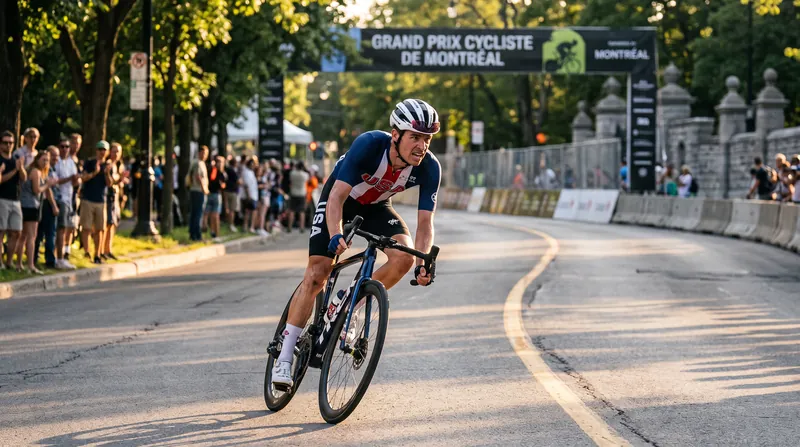
Post-Montreal Cycling Power Rankings: McNulty and Vollering Surge as Pogačar Holds the Throne
5 sources
UCI Regulations
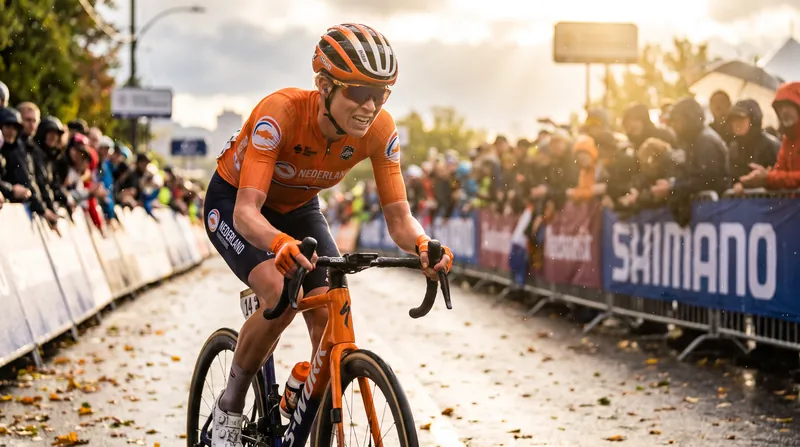
World Champion Demi Vollering Fined and Docked Points for Illegal Bike Position After Montreal Win
4 sources
Trade
Cycling Transfer Window: Tudor Pro Cycling Signs Groves and Denz as UAE Secures Supporting Core
4 sources
Pro Cycling Rules
UCI Approves Major 2027 Calendar and Safety Overhaul, Moving Vuelta Femenina and Mandating New Finish-Line Barriers
3 sources
Comments
Every angle. Every day.
Get Sports stories with full source coverage and perspective breakdowns, free every day.