
Why Biophilic and Minimalist Spaces Reduce Stress and Cognitive Overload
Environmental psychologists have found that our interior design choices trigger measurable physiological responses in the brain. Whether through minimalist subtraction or biophilic addition, curating our spaces can significantly reduce cognitive-emotional overload.
By Baran Demir

Share this story
In short
- Environmental psychology links interior design choices directly to physiological stress responses.
- Minimalism reduces cognitive load by eliminating visual clutter and unstructured chaos.
- Biophilic design lowers stress by engaging the brain's innate affinity for natural elements.
You walk into a stark, white, perfectly empty living room. For some, the absence of visual noise is a sanctuary of calm; for others, it feels like a sterile, unforgiving clinic. Then you visit a friend whose home is overflowing with trailing pothos plants, layered vintage rugs, and densely packed gallery walls.
The tension between minimalism, maximalism, and biophilic design is not just a debate over aesthetic taste—it is a deeply rooted psychological response to our environment. We are constantly seeking spaces that regulate our nervous systems, yet we fundamentally disagree on what that space should look like.
Environmental psychologists have spent decades measuring how our brains react to our interior spaces, tracking everything from heart rate variability to cortisol levels. The debate over which interior style is objectively "best" misses the underlying science: different design frameworks solve different psychological needs. Whether you are stripping a room down to its bare essentials or filling it with organic life, the goal is the same. We are all trying to engineer our surroundings to mitigate the cognitive-emotional overload of modern life.
The baseline problem is one of exposure. The average person spends nearly 90 percent of their time indoors, navigating artificial lighting, synthetic materials, and digital screens. When those indoor spaces are cluttered, poorly designed, or devoid of natural elements, the brain perceives the environment as a constant, low-level threat. This ambient stress drains directed attention, leaving us fatigued before the workday has even truly begun.
The minimalist approach tackles this overload through the psychology of subtraction. By aggressively reducing the number of objects in a room, minimalism lowers the visual data the brain must process. Research published in the Journal of Positive Psychology highlights that visual clutter sends continuous signals to the brain that work is never done, triggering a mild but persistent stress response.[1][5]
The physiological impact of this subtraction is measurable. By removing excess, minimalism reduces the "friction" of daily life—the overstimulation that hinders focus and relaxation. A comprehensive environmental psychology report noted that individuals living in minimally designed spaces experienced a 35 percent reduction in stress levels compared to those in highly cluttered environments. The relief comes from the elimination of unstructured chaos.
However, minimalism has a psychological shadow side. If taken to an extreme, the lack of sensory input can lead to under-stimulation. When a space is too stark, the brain interprets the emptiness not as peaceful, but as barren or isolating. This is why a perfectly pristine room can sometimes feel cold, lacking the warmth and texture required to signal true safety and comfort to the nervous system.
Enter biophilic design, a framework rooted in the biophilia hypothesis—the biological theory that humans possess an innate, evolutionary affinity for the natural world. Instead of stripping a room bare to find peace, biophilic design seeks to restore balance by reintroducing the organic elements our brains evolved to recognize as safe and sustaining.[2][3]
True biophilic design goes far beyond placing a potted fern on a windowsill. It is a comprehensive sensory approach that incorporates dynamic natural light, organic textures like raw wood and untreated wool, and the subtle play of shadows. It relies on "biomorphic" patterns—shapes and forms that mimic the irregularity of nature, breaking up the rigid geometry of modern architecture.[2]
The neuroscience supporting biophilia is robust. A 2025 neuropsychological study demonstrated that short-term exposure to biophilic indoor spaces—such as rooms featuring living walls and natural materials—visibly reduces activity in the brain's dorsolateral prefrontal cortex. This is the region heavily involved in managing cognitive-emotional overload, meaning the brain is literally powering down its stress centers.
The restorative effects are striking in practical application. Redesigning a standard living room with biophilic principles—maximizing daylight, adding layered greenery, and utilizing natural wood furniture—has been shown to yield a 30 percent reduction in reported daily stress among occupants. The presence of nature creates what psychologists call "soft fascination," gently engaging the mind while allowing directed attention to rest and recover.[3]
On the opposite end of the spectrum lies the maximalist counter-movement. For those who find empty spaces anxiety-inducing, maximalism offers a different kind of psychological refuge. Often misunderstood as mere clutter, true maximalism is defined by researchers as "curated abundance." It is the intentional layering of textures, colors, and meaningful objects to create a space rich in personal history and identity.
For extroverted or highly creative individuals, this sensory richness acts as a stimulant rather than a stressor. Surrounding oneself with beloved objects, art, and vibrant patterns provides a profound sense of emotional warmth and security. The curated chaos of maximalism stimulates the imagination, offering a visual feast that makes the occupant feel deeply anchored in their own narrative.
Ultimately, the science of environmental psychology suggests that there is no universal prescription for the perfect room. The psychological benefit of any space stems from intentional curation. Whether you achieve a 35 percent drop in stress through minimalist subtraction or a 30 percent drop through biophilic addition, the mechanism of relief is the same: you have taken control of your sensory environment.
Applying this research at home requires an honest audit of your own nervous system. Rather than rigidly adhering to a magazine aesthetic, ask yourself what your mind needs at the end of the day. Do you require a blank canvas to quiet a hyperactive, overstimulated brain? Or do you need the lush, tactile embrace of nature and curated art to feel grounded and secure?
Applying this research at home requires an honest audit of your own nervous system.
As the wellness industry increasingly merges with architecture and interior design, the focus is shifting away from spaces engineered purely for visual impact. The future of our homes lies in psychological resilience—creating environments that do not just look beautiful, but actively work to heal, restore, and support the human mind.
Terms to know
- Biophilia hypothesis
- The theory that humans possess an innate, evolutionary affinity for the natural world and other living systems.
- Cognitive-emotional overload
- A state of mental exhaustion caused by processing too much sensory information or stress, leading to decreased focus and elevated anxiety.
- Soft fascination
- A state of effortless attention triggered by natural elements, allowing the brain's directed attention to rest and recover.
- Dorsolateral prefrontal cortex
- A region of the brain involved in executive functions such as working memory, cognitive flexibility, and managing stress.
- Curated abundance
- The intentional and thoughtful layering of objects, textures, and colors in maximalist design, distinguishing it from unstructured clutter.
Questions readers ask
Does minimalism actually reduce stress?
Yes. Research shows that reducing visual clutter lowers the cognitive load on the brain, which can significantly decrease ambient stress and anxiety levels.
What is the difference between biophilic design and just having houseplants?
While houseplants are a component, true biophilic design also incorporates natural light, organic materials like wood and stone, and biomorphic shapes that mimic nature's patterns.
Can maximalism be good for mental health?
Absolutely. For many people, especially those who are highly creative, a curated, visually rich environment provides emotional warmth, security, and stimulating inspiration.
How do I know which interior style is right for me?
It depends on your nervous system. If you feel overwhelmed easily, minimalism or biophilic design may help calm your mind. If you find empty spaces cold or boring, maximalism might provide the comfort you need.
Different angles
Biophilic Advocates
Argue that humans have an innate biological need to connect with nature.
Proponents of biophilic design argue that our nervous systems evolved outdoors, making artificial, sterile environments inherently stressful. They point to robust neuropsychological data showing that natural light, organic textures, and plant life actively lower cortisol and reduce activity in the brain's stress centers. For this camp, bringing nature indoors is not an aesthetic choice, but a biological necessity for cognitive restoration.
Minimalism Proponents
Emphasize that reducing visual clutter is the most effective way to lower cognitive load.
Minimalists view the modern world as a crisis of overstimulation. They argue that every object in a room demands a fraction of our directed attention, and that visual clutter acts as a constant, low-level drain on our mental energy. By aggressively subtracting non-essential items, they believe we can eliminate the 'friction' of daily life, creating a blank canvas that allows the mind to truly rest and focus.
Maximalist Creatives
Believe that curated abundance stimulates creativity and emotional warmth.
Maximalists reject the idea that empty spaces are inherently peaceful, arguing instead that stark rooms can feel cold and isolating. They advocate for 'curated abundance'—the intentional layering of art, color, and meaningful objects. For this camp, a visually rich environment provides a sense of history, identity, and emotional security, acting as a stimulant for creativity rather than a source of stress.
- Biophilic Advocates
- Argue that humans have an innate biological need to connect with nature, and that integrating natural elements is essential for cognitive restoration.
- Minimalism Proponents
- Emphasize that reducing visual clutter and excess possessions is the most effective way to lower cognitive load and anxiety.
- Maximalist Creatives
- Believe that spaces should reflect personal identity and history, arguing that curated abundance stimulates creativity and emotional warmth.
Perspectives this story doesn't cover
- Low-income renters who lack control over their interior architecture
- Facilities managers balancing psychological design with corporate budgets
Sources
Source coverage
5 outlets
3 viewpoints surfaced





- [1]ForbesMinimalism Proponents
5 Mental Health Rewards Of Embracing Minimalism, According To A Psychologist
Read on Forbes → - [2]Terrapin Bright GreenBiophilic Advocates
14 Patterns of Biophilic Design
Read on Terrapin Bright Green → - [3]University of IowaBiophilic Advocates
Biophilic Design and Mental Health
Read on University of Iowa → - [4]Factlen Editorial Team
Synthesis by Factlen editorial team
Read on Factlen Editorial Team → - [5]Journal of Positive PsychologyMinimalism Proponents
The psychological advantages of voluntary simplicity
Read on Journal of Positive Psychology →

More in Lifestyle
See all →Indoor Air Quality
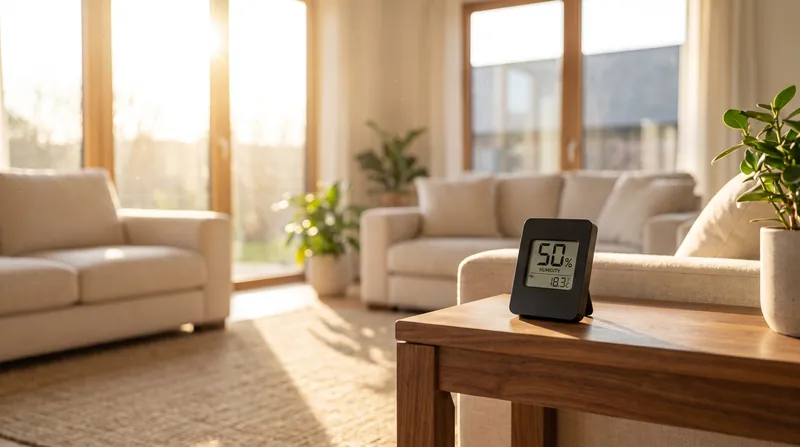
The 40% to 60% Relative Humidity Range: Why Building Standards and Health Guidelines Converge on a Single Optimal Indoor Climate
6 sources
Céline Dion
Céline Dion Performs First Live Show in Six Years Following Stiff-Person Syndrome Diagnosis
7 sources

Travel Trends
Extreme Heatwaves and Remote Work Shift Peak Travel to the Shoulder Season
6 sources

Infant Vision
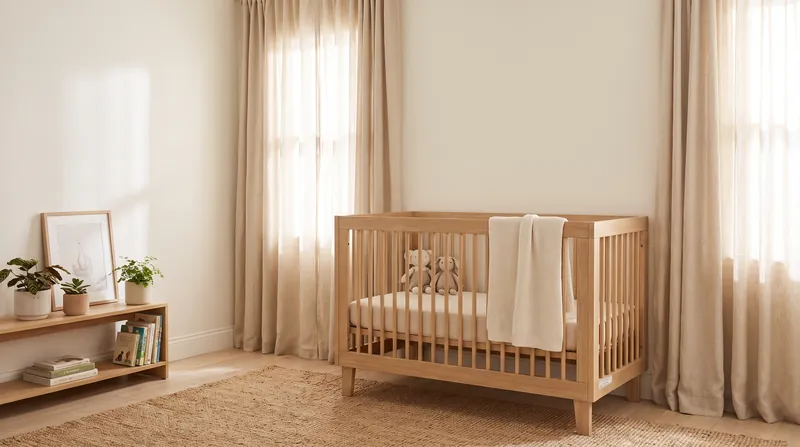
Measuring the 'Sad Beige' Nursery: Why Newborns Need High Contrast to Develop Edge Detection
1 sources
Comments
Every angle. Every day.
Get Lifestyle stories with full source coverage and perspective breakdowns, free every day.