
Hydrogel Delivery Eliminates Stomach Distress in Athletic Baking Soda Loading
For decades, athletes tried using baking soda to buffer muscle acid, only to be derailed by severe stomach distress. Now, new hydrogel delivery systems have solved the digestion problem, bringing the oldest sports supplement back to the elite tier.

Share this story
In short
- Sodium bicarbonate is a proven performance enhancer that buffers muscle acid during high-intensity exercise.
- Traditional bicarb loading caused severe gastrointestinal distress due to gas production in the stomach.
- New hydrogel technology encapsulates the bicarb, allowing it to bypass the stomach and dissolve in the intestines.
The quest to push human physical limits often leads sports scientists to exotic compounds and complex training protocols. Yet, one of the most effective performance-enhancing substances in history has been sitting in household pantries for over a century: sodium bicarbonate, commonly known as baking soda. For decades, physiologists have known that ingesting baking soda can dramatically improve high-intensity athletic performance. The theory was sound, and the laboratory results were undeniable, but the real-world application was famously disastrous.[1][2]
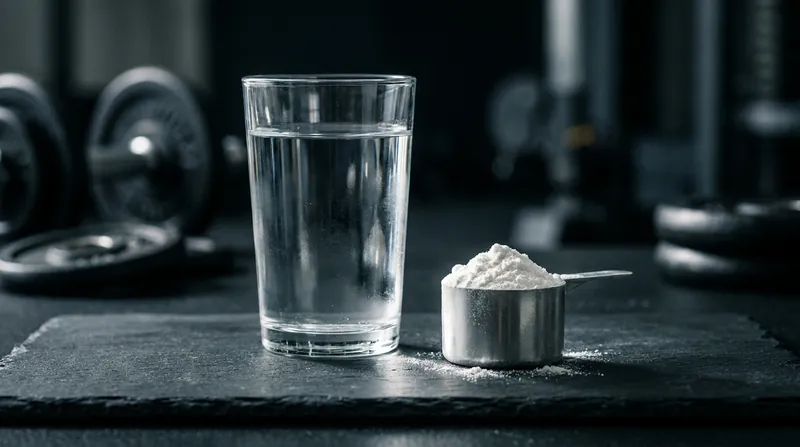
In the 1980s and 1990s, "bicarb loading" became a dark art among track athletes and rowers. Competitors would mix massive spoonfuls of baking soda into water and choke down the salty, chalky liquid hours before a race. While it often resulted in personal bests, it just as frequently resulted in explosive gastrointestinal distress. The chemical reaction between baking soda and stomach acid created severe bloating, cramping, and diarrhea, forcing many athletes to abandon the protocol entirely.[2]
Today, sodium bicarbonate is experiencing a massive renaissance at the highest levels of endurance sports, from the World Tour cycling peloton to Olympic marathon finals. The compound itself has not changed, but the delivery mechanism has. By encapsulating the baking soda inside an acid-resistant hydrogel, sports nutrition companies have finally solved the digestion problem, allowing athletes to reap the physiological benefits without the catastrophic side effects.[1][4]
To understand why athletes are so eager to consume baking soda, it is necessary to look at the energetics of the working muscle. When an athlete engages in high-intensity exercise—efforts that exceed the body's ability to supply oxygen—the muscles rely heavily on anaerobic glycolysis to produce adenosine triphosphate (ATP), the cellular currency of energy. This system is incredibly fast, but it comes with a significant metabolic byproduct.[3]
As glycolysis accelerates, it produces lactate and positively charged hydrogen ions. While lactate is actually a useful fuel source that the body recycles, the hydrogen ions are highly problematic. As they accumulate, they drop the pH of the muscle environment, making it more acidic. This acidity interferes with the calcium binding required for muscle contraction and inhibits the enzymes responsible for energy production, ultimately causing the burning sensation and forced slowdown known as fatigue.[3][5]
The human body possesses a natural defense mechanism against this rising acidity: the bicarbonate buffering system. Bicarbonate naturally circulates in the blood, where it binds to excess hydrogen ions escaping from the muscle cells. Once bound, the bicarbonate neutralizes the acid, converting it into carbon dioxide and water, which the athlete simply exhales through the lungs. However, during all-out efforts, the muscle produces hydrogen ions faster than the natural bicarbonate pool can clear them.[3]
The physiological premise of bicarb loading is straightforward: by ingesting a large dose of sodium bicarbonate prior to exercise, an athlete artificially expands the alkaline buffering capacity of their blood. This creates a steeper pH gradient between the acidic muscle cell and the alkaline bloodstream. Like water flowing down a hill, the hydrogen ions are pulled out of the muscle and into the blood at a much faster rate, delaying the onset of crippling fatigue.[2][5]
The performance benefits of this expanded buffer are well-documented and highly specific. Clinical data shows that bicarb loading reliably improves performance by 1 to 3 percent in all-out efforts lasting between one and ten minutes. This makes it a highly coveted tool for middle-distance runners, track cyclists, swimmers, and rowers. It also provides a critical advantage for endurance athletes who need to make repeated, high-intensity surges, such as a cyclist attacking on a steep climb or a marathoner sprinting for the finish line.[2][6]
The barrier to entry was always the required dosage. To meaningfully shift the blood's pH, an athlete must consume roughly 0.3 grams of sodium bicarbonate per kilogram of body weight. For a 150-pound (68-kilogram) athlete, that equates to over 20 grams of baking soda—roughly four heaping tablespoons. Consuming this much alkaline powder in a single sitting is an aggressive assault on the digestive system.[5]
When raw sodium bicarbonate enters the highly acidic environment of the human stomach, a violent chemical reaction occurs. The acid neutralizes the bicarb, rapidly releasing vast amounts of carbon dioxide gas. This sudden expansion of gas causes the stomach to distend, triggering severe nausea, belching, and cramping. Furthermore, the massive influx of sodium draws water into the intestines, frequently resulting in acute osmotic diarrhea just as the athlete is stepping up to the starting line.[2][4]
The breakthrough that rescued bicarb from the fringes of sports science was hydrogel technology. Originally developed to deliver high concentrations of carbohydrates to endurance athletes without upsetting the stomach, researchers realized the same biopolymer matrix could be used to encapsulate baking soda. By mixing the bicarb into a specific blend of pectin and sodium alginate, scientists created a protective shell around the active ingredient.[4]
This hydrogel matrix is specifically designed to be acid-resistant. When the athlete swallows the hydrogel capsules or semi-solid gel, the matrix remains completely intact as it passes through the harsh, acidic bath of the stomach. Because the baking soda is shielded from the stomach acid, no carbon dioxide gas is produced, entirely eliminating the bloating and nausea that plagued earlier generations of athletes.[4][6]
Once the intact hydrogel passes through the stomach and enters the alkaline environment of the small intestine, the pH shift causes the pectin-alginate matrix to dissolve. The sodium bicarbonate is then released smoothly and absorbed directly into the bloodstream. This targeted delivery system ensures that the maximum amount of bicarb reaches the blood to expand the buffering pool, while completely bypassing the gastric distress.[4]
This innovation has fundamentally rewired race-day logistics across elite sports. Athletes who previously tested bicarb and abandoned it due to unpredictable stomach issues are now incorporating hydrogel bicarb into their standard pre-race routines. It has become a staple in the feed zones of the Tour de France and a closely guarded secret among elite track and field federations, effectively democratizing a physiological advantage that was once a gamble.[1][6]
Despite the digestive breakthrough, sports dietitians caution that hydrogel bicarb is not a universal magic bullet. The protocol still introduces an astonishing sodium load to the body. A standard performance dose can contain upwards of 5,000 to 6,000 milligrams of sodium—more than double the recommended daily allowance for a normal adult, consumed in a matter of minutes.[5][6]
This extreme sodium intake forces the body to retain significant amounts of water, which can acutely increase an athlete's body weight by one to two pounds. For gravity-dependent sports like distance running or uphill cycling, the athlete and their coaching staff must carefully calculate the trade-off. The physiological benefit of buffering acid must mathematically outweigh the biomechanical cost of carrying extra water weight over the course of the event.[5]
Furthermore, the benefits remain highly specific to the anaerobic energy system. A marathon runner pacing steadily at their aerobic threshold will see almost no benefit from the expanded bicarbonate pool for the first 25 miles of the race, as their body is clearing hydrogen ions naturally. The hydrogel only pays dividends when the athlete crosses into the red zone, relying on anaerobic glycolysis for a final, decisive surge.[3][6]
Furthermore, the benefits remain highly specific to the anaerobic energy system.
Ultimately, the hydrogel bicarb revolution represents a classic example of modern sports science solving a mechanical delivery problem rather than inventing a novel compound. By using advanced biopolymers to tame the oldest and most volatile performance enhancer in the textbook, researchers have unlocked a new frontier in human endurance, proving that sometimes the best upgrades come from simply learning how to absorb what we already have.[1][4]
Key terms
- Sodium Bicarbonate
- An alkaline chemical compound, commonly known as baking soda, used by athletes to reduce muscle acidity during intense exercise.
- Anaerobic Glycolysis
- The energy system the body uses for high-intensity efforts, which produces ATP quickly but generates hydrogen ions as a byproduct.
- Hydrogen Ions
- Positively charged molecules that accumulate in muscles during intense exercise, lowering pH and causing the burning sensation of fatigue.
- Hydrogel Matrix
- A biopolymer structure made of pectin and alginate that encapsulates supplements to protect them from stomach acid.
Reader questions
Does baking soda actually improve athletic performance?
Yes. Clinical evidence shows that ingesting sodium bicarbonate can improve performance by 1 to 3 percent in high-intensity, all-out efforts lasting between one and ten minutes.
Why does baking soda cause stomach problems?
When raw baking soda mixes with stomach acid, it creates a rapid chemical reaction that releases large amounts of carbon dioxide gas, leading to severe bloating, cramping, and nausea.
How does the hydrogel fix the digestion issue?
The hydrogel encapsulates the baking soda in an acid-resistant matrix. It passes through the stomach intact, preventing gas production, and only dissolves once it reaches the intestines.
Where opinion splits
Sports Physiologists
Focus on the cellular mechanism of extracellular buffering and the measurable power output gains during anaerobic exercise.
For exercise physiologists, the hydrogel breakthrough is a triumph of delivery over discovery. The mechanism of extracellular buffering has been understood for decades: expanding the blood's alkaline pool creates a steeper gradient that pulls fatigue-inducing hydrogen ions out of the working muscle. Physiologists focus on the highly reproducible data showing a 1 to 3 percent increase in power output for efforts lasting between one and ten minutes. To them, the hydrogel simply removes the biological noise of gastrointestinal distress, allowing the underlying metabolic mechanism to function optimally.
Endurance Athletes & Coaches
Prioritize practical race-day application, gastrointestinal tolerance, and the strategic timing of the supplement.
From the perspective of athletes and coaches, the science only matters if it can be executed on race day. For years, bicarb was viewed as a high-risk gamble; an athlete might set a personal best, or they might spend the race in the medical tent with severe cramping. Coaches view the hydrogel encapsulation as a logistical game-changer. It allows them to prescribe exact dosages with confidence, knowing the athlete will absorb the buffer without the catastrophic stomach issues that previously ruined major competitions.
Sports Dietitians
Emphasize the massive sodium load required by the protocol and the potential negative impacts on hydration and body weight.
While dietitians acknowledge the performance benefits, they approach hydrogel bicarb with caution regarding the broader metabolic impact. A standard performance dose introduces upwards of 5,000 milligrams of sodium into the body in a single sitting. Dietitians point out that this extreme sodium load forces acute water retention, which can increase an athlete's body weight by one to two pounds. They emphasize that for gravity-dependent sports like marathon running or uphill cycling, the mathematical benefit of buffering acid must be carefully weighed against the biomechanical penalty of carrying extra water weight.
- Sports Physiologists
- Focus on the cellular mechanism of extracellular buffering and the measurable power output gains during anaerobic exercise.
- Endurance Athletes & Coaches
- Prioritize practical race-day application, gastrointestinal tolerance, and the strategic timing of the supplement.
- Sports Dietitians
- Emphasize the massive sodium load required by the protocol and the potential negative impacts on hydration and body weight.
Perspectives this story doesn't cover
- Amateur athletes managing the high cost of commercial hydrogel products
- Anti-doping regulators monitoring the extreme use of legal buffering agents
Sources
Source coverage
6 outlets
3 viewpoints surfaced






- [1]Factlen Editorial TeamSports Dietitians
Synthesis by Factlen editorial team
Read on Factlen Editorial Team → - [2]Sports MedicineSports Physiologists
Sodium Bicarbonate Ingestion and Exercise Performance: An Update
Read on Sports Medicine → - [3]Journal of Applied PhysiologySports Physiologists
Extracellular buffering capacity and high-intensity exercise tolerance
Read on Journal of Applied Physiology → - [4]International Journal of Sports Physiology and PerformanceEndurance Athletes & Coaches
Hydrogel Encapsulation Mitigates Gastrointestinal Distress Following Sodium Bicarbonate Ingestion
Read on International Journal of Sports Physiology and Performance → - [5]Gatorade Sports Science InstituteSports Dietitians
Practical Applications of Bicarbonate Loading for Endurance Athletes
- [6]Frontiers in NutritionEndurance Athletes & Coaches
Case Studies of Bicarbonate Hydrogel Use in Elite World Tour Cycling
Read on Frontiers in Nutrition →
More in Fitness
See all →Sports Nutrition
The End of the "Anabolic Window": How Modern Sports Nutrition Views Protein Timing
4 sources

Protein Timing
Total Daily Protein Intake, Not the 30-Minute Anabolic Window, Drives Muscle Growth
5 sources

Connective Tissue
How Collagen Peptides Became the Science-Backed Standard for Tendon Repair
6 sources

Connective Tissue
Why Timing Collagen Peptides and Vitamin C Before Exercise Protects Tendons
4 sources

Comments
Every angle. Every day.
Get Fitness stories with full source coverage and perspective breakdowns, free every day.