
NR and NMN Raise Human NAD+ Levels, but Clinical Anti-Aging Evidence Remains Mixed
Nicotinamide riboside (NR) and nicotinamide mononucleotide (NMN) reliably increase cellular NAD+ levels in humans, but evidence for functional anti-aging benefits remains mixed. Here is the complete clinical picture of the most popular longevity supplements.
By Aylin Aksoy

Share this story
In short
- NAD+ is an essential cellular coenzyme that declines by up to 50% as humans age.
- Precursors like NR and NMN reliably and safely raise blood NAD+ levels by 200% to 300% in humans.
- Evidence for functional metabolic improvements in humans is mixed, showing benefits primarily in prediabetic or stressed populations.
The quest for a pill that slows aging has largely centered on a single, ubiquitous molecule: nicotinamide adenine dinucleotide, or NAD+. Found in every living cell, this essential coenzyme acts as a critical linchpin for energy metabolism, DNA repair, and cellular defense mechanisms. Without it, life as we know it would cease in seconds.
But in the context of longevity, NAD+ is not just a biological necessity; it is a ticking clock. Researchers have identified that maintaining youthful levels of this coenzyme is strongly correlated with extended healthspan in multiple animal models, sparking a multi-million dollar industry dedicated to its preservation.[1][6]
The fundamental problem driving the NAD+ supplement industry is that human levels of this coenzyme plummet as we age. By the time a person reaches age 60, the NAD+ concentrations in their skin, muscle, and brain tissue can drop by up to 50 percent compared to their youth. This systemic decline is strongly correlated with a host of age-related conditions, including metabolic dysfunction, neurodegeneration, and general physical frailty. The cellular machinery simply loses its primary fuel source, leading to a cascade of biological inefficiencies.[1]
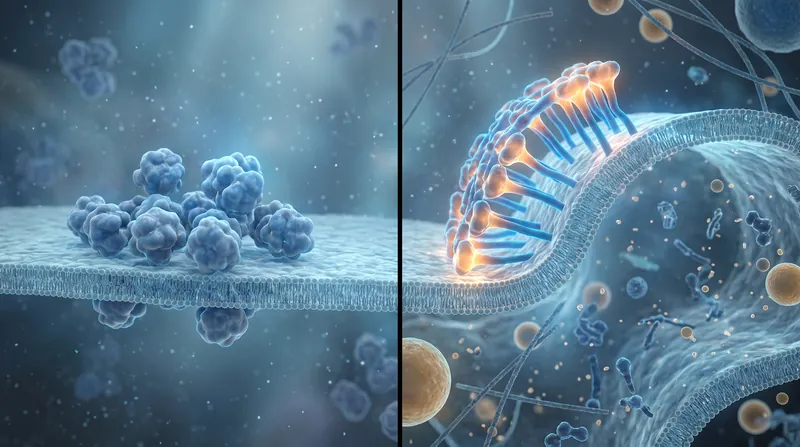
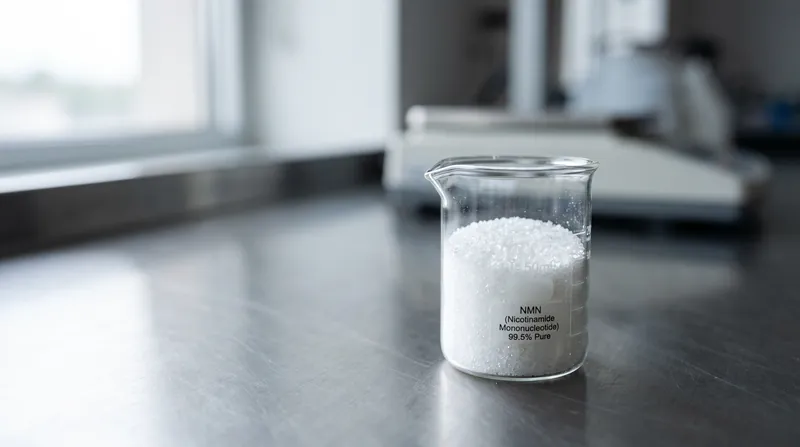
Because NAD+ itself is a large, complex molecule that cannot easily cross cell membranes, direct supplementation is highly inefficient. To bypass this biological barrier, researchers turned to precursors—specifically nicotinamide riboside (NR) and nicotinamide mononucleotide (NMN). These smaller, more agile molecules act as the raw materials that human cells can easily absorb and subsequently convert into NAD+ through a process known as the salvage pathway.[1][3]
Claim 1: Precursors reliably raise NAD+ levels in humans. The clinical evidence for this foundational claim is robust and largely undisputed. Multiple randomized, double-blind, placebo-controlled trials have demonstrated that oral supplementation with either NR or NMN safely and effectively increases blood NAD+ levels by 200 to 300 percent within a matter of weeks. The human body readily accepts these precursors and utilizes them exactly as hypothesized by cellular biologists.[3][4]
Once ingested and absorbed, these precursors enter the cells via specific transport proteins. For instance, NMN utilizes a transporter called Slc12a8 to cross the cellular membrane. Once inside, the precursors are synthesized into NAD+, replenishing the cellular pool. This newly minted NAD+ then provides the necessary fuel for sirtuins—a family of signaling proteins heavily associated with longevity, DNA repair, and the regulation of cellular stress responses.[1][6]
Claim 2: NAD+ restoration improves metabolic health. While animal models showed dramatic reversals of age-related metabolic decline, the human evidence remains mixed but highly promising in specific populations. A landmark 2021 study published in the journal Science found that NMN supplementation significantly improved muscle insulin sensitivity in prediabetic, postmenopausal women, mirroring the metabolic benefits typically seen with significant weight loss.[2]
However, the scientific community emphasizes transparent uncertainty regarding these metabolic benefits in the broader population. Several subsequent trials have failed to replicate these dramatic metabolic improvements in healthy, younger adults or in obese men. The current clinical consensus suggests that NAD+ precursors may only provide measurable, functional metabolic improvements when the biological system is already under significant stress or in a state of measurable deficit.[4][6]
Claim 3: Precursors enhance physical performance and muscle function. Early animal studies captivated the public by showing dramatic improvements in the treadmill endurance of elderly mice given NAD+ boosters. In humans, however, the data requires careful interpretation. While some older adults report subjective increases in energy, objective clinical measurements of physical performance have yielded nuanced results.[1][4]
A recent comprehensive human trial evaluating older adults showed that while NR supplementation mildly reduced circulating inflammatory markers, it did not significantly improve grip strength, walking speed, or overall muscle function compared to a placebo group. This suggests that while NAD+ restoration corrects a molecular deficit, it may not be sufficient on its own to reverse advanced physical frailty without accompanying interventions like resistance training.[3][4]
The regulatory landscape surrounding these molecules is highly complex and currently contested. In late 2022, the U.S. Food and Drug Administration (FDA) ruled that NMN could no longer be legally marketed as a dietary supplement in the United States. This decision was not based on safety concerns, but rather on the fact that NMN was already under active investigation as a pharmaceutical drug by a company called Metro International Biotech.[5]
Despite this strict regulatory stance from the FDA, the market reality is vastly different. NMN remains widely available to consumers through international shipping channels and regulatory gray areas. Meanwhile, NR continues to be sold legally and openly as a dietary supplement, most notably under the patented brand name Niagen, creating a confusing bifurcated market for consumers seeking NAD+ restoration.[5][6]
Regarding safety, the evidence pack is highly reassuring in the short to medium term. Both NR and NMN appear to have excellent safety profiles. Clinical trials lasting up to 12 weeks, and some extending to six months, have reported no serious adverse events associated with standard dosages. The supplements are generally well-tolerated, with only rare reports of mild gastrointestinal distress.[3][4]
However, a theoretical concern exists regarding NAD+ and cancer that warrants transparent discussion. Because NAD+ fuels cellular energy and accelerates DNA repair, some researchers have hypothesized that artificially elevated NAD+ levels could theoretically accelerate the growth of existing, undiagnosed tumors. It is crucial to note that no human clinical data has ever confirmed this risk, but it remains a point of caution in longevity circles.[1][6]
The ultimate question—whether these supplements actually extend human maximum lifespan or simply improve specific biomarkers of aging—remains unanswered. Human longevity trials inherently take decades to complete. Because of this timeline, the millions of consumers currently taking NR and NMN are effectively participating in an uncontrolled, decentralized global experiment in human life extension.[4][6]
For now, the clinical reality of NAD+ precursors is that they represent a biologically plausible, generally safe intervention that reliably corrects a known age-related molecular deficit. Whether that specific molecular correction ultimately translates to a longer, fundamentally healthier human life is a profound hypothesis that the scientific community is still working to definitively prove.[6]
Definitions
- NAD+ (Nicotinamide adenine dinucleotide)
- A critical coenzyme found in every living cell that is essential for energy production, DNA repair, and cellular defense.
- NR (Nicotinamide riboside)
- A form of vitamin B3 that acts as a highly efficient precursor, converting into NAD+ inside the body.
- NMN (Nicotinamide mononucleotide)
- A direct precursor to NAD+ that is one step further along the metabolic pathway than NR.
- Sirtuins
- A family of proteins that regulate cellular health, aging, and stress resistance, which rely entirely on NAD+ to function.
- Salvage Pathway
- The biological recycling process cells use to convert precursors like NR and NMN into usable NAD+.
Questions & answers
What is the difference between NR and NMN?
Both are precursors to NAD+. NMN is a slightly larger molecule that contains an extra phosphate group compared to NR. Both have been shown to effectively raise NAD+ levels in human trials.
Can I get enough NAD+ precursors from food?
While trace amounts of NMN and NR are found in foods like broccoli, cabbage, and edamame, the concentrations are far too low to significantly impact systemic NAD+ levels compared to targeted supplementation.
Are there side effects to taking NAD+ boosters?
Clinical trials up to six months have found them to be highly safe and well-tolerated at standard doses, with only rare reports of mild gastrointestinal issues like nausea or indigestion.
Why did the FDA ban NMN as a supplement?
The FDA excluded NMN from the dietary supplement category because it was already authorized for investigation as a new pharmaceutical drug, a regulatory rule designed to protect pharmaceutical research incentives.
Analysis by camp
Longevity Optimists
Believe the strong animal data and proven molecular mechanisms warrant widespread human use now.
This camp, largely composed of cellular biologists and anti-aging advocates, argues that the biological mechanism of NAD+ decline is too fundamental to ignore. They point to decades of robust animal data showing that replenishing NAD+ extends healthspan, improves mitochondrial function, and protects against neurodegeneration. For optimists, the fact that human trials consistently prove these precursors safely raise NAD+ levels is sufficient evidence to justify supplementation today, rather than waiting decades for definitive human lifespan data.
Evidence-Based Skeptics
Argue that molecular corrections do not automatically translate to functional human health benefits.
Clinical researchers and evidence-based medicine advocates emphasize a critical distinction: fixing a biomarker is not the same as fixing a disease. While they acknowledge that NR and NMN successfully raise NAD+ levels, they point out that human trials measuring functional outcomes—like grip strength, walking speed, or overall mortality—have been largely underwhelming or inconclusive. This camp warns that consumers are spending billions on supplements that may only offer theoretical benefits, urging a wait-and-see approach until Phase 3 clinical trials prove tangible improvements in human frailty.
Regulatory Authorities
Focus strictly on the legal definitions of dietary supplements versus investigational new drugs.
For agencies like the FDA, the debate is less about the efficacy of NAD+ and more about regulatory frameworks designed to protect pharmaceutical innovation. The FDA's stance on NMN is rooted in the Dietary Supplement Health and Education Act (DSHEA), which prevents molecules currently under active pharmaceutical investigation from being sold as over-the-counter supplements. This perspective prioritizes strict adherence to clinical trial protocols and legal definitions, even if it temporarily restricts consumer access to biologically plausible interventions.
- Longevity Optimists
- Believe the strong animal data and proven molecular mechanisms warrant widespread human use now to combat age-related decline.
- Evidence-Based Skeptics
- Argue that until long-term, functional human outcomes like reduced frailty are definitively proven, the supplements remain an unproven expense.
- Regulatory Authorities
- Focus strictly on the legal definitions of dietary supplements versus investigational new drugs, prioritizing formal trial protocols over consumer access.
Perspectives this story doesn't cover
- Consumers utilizing gray-market NMN
- Pharmaceutical companies developing proprietary NAD+ drugs
Sources
Source coverage
6 outlets
3 viewpoints surfaced






- [1]Nature MetabolismLongevity Optimists
Therapeutic potential of NAD-boosting molecules: the in vivo evidence
- [2]ScienceEvidence-Based Skeptics
Nicotinamide mononucleotide increases muscle insulin sensitivity in prediabetic women
- [3]Cell MetabolismLongevity Optimists
Nicotinamide riboside is uniquely and orally bioavailable in mice and humans
Read on Cell Metabolism → - [4]ClinicalTrials.govEvidence-Based Skeptics
Database of privately and publicly funded clinical studies conducted around the world on NAD+ precursors
- [5]U.S. Food and Drug AdministrationRegulatory Authorities
FDA Regulation of Dietary Supplements and Investigational New Drugs
- [6]Factlen Editorial Team
Synthesis by Factlen editorial team
Read on Factlen Editorial Team →
More in Health
See all →Cellular Aging
How Senolytics Selectively Induce Apoptosis in Senescent Cells to Reverse Tissue Dysfunction
4 sources
Gut-Brain Axis
How Butyrate, Propionate, and Acetate Modulate Gut Permeability and Signal to the Brain
10 sources

Vascular Aging
How Advanced Glycation End-Products Cross-Link Proteins to Drive Vascular Aging
8 sources

Cellular Aging
Bypassing the NAMPT Bottleneck: How NMN and NR Precursors Rewrite Cellular NAD+ Recycling
9 sources
Comments
Every angle. Every day.
Get Health stories with full source coverage and perspective breakdowns, free every day.