
Texas Attorney General Launches Industry-Wide Investigation Into Avocado Oil Adulteration
State officials are probing whether major food brands are secretly cutting premium avocado oil with cheaper, undisclosed seed oils to protect consumers from deceptive marketing.

Share this story
The golden-green hue of avocado oil shimmering in a hot pan has become a staple of modern kitchens, prized for its versatility and health benefits. Home cooks and professional chefs alike reach for it daily, trusting its exceptionally high smoke point and clean, buttery flavor to sear steaks, roast vegetables, and dress fresh salads.
It has earned its place as a premium pantry essential, often commanding top dollar at the grocery store. But behind those premium price tags and health-halo marketing campaigns, a quiet crisis of authenticity has been brewing on supermarket shelves, leaving consumers to wonder what exactly they are pouring into their skillets.[3]
That quiet crisis has now triggered formal legal action with potentially national implications. Texas Attorney General Ken Paxton has officially launched an industry-wide investigation into the manufacturers and distributors of avocado oil products, targeting widespread allegations of deceptive marketing and food fraud. The sweeping probe seeks to uncover whether major food brands are secretly cutting their premium, cold-pressed oils with cheaper, undisclosed alternatives before bottling them. By demanding transparency from the top down, state regulators are aiming to clean up a supply chain that has long operated with minimal oversight.[1][2]
At the heart of this legal investigation is the pervasive practice of economic adulteration. Recent academic research has cast a long shadow over the industry, most notably a comprehensive and widely cited study from the University of California, Davis.
That research revealed a staggering reality: a vast majority of commercially available avocado oils tested were either already rancid upon purchase or had been deliberately mixed with less expensive, highly refined seed oils such as soybean, canola, or safflower oil. This dilution fundamentally alters the product while keeping the premium label intact.[3]
For everyday consumers, the stakes of this adulteration are both financial and physiological. Shoppers routinely pay double or even triple the price of standard vegetable oils for a bottle of avocado oil, specifically seeking out its unique lipid profile, high levels of oleic acid, and lack of inflammatory compounds.
When a bottle boldly labeled as '100% Pure Avocado Oil' is actually a blended product, buyers are not just being overcharged at the register. They are being actively deprived of the specific dietary and culinary benefits they intentionally sought out and paid for.[4]
To combat this, the Texas Attorney General's office is aggressively utilizing its consumer protection authority to demand comprehensive documentation from major producers across the state. Investigators are currently examining complex supply chain records, international sourcing contracts, and internal laboratory testing data. Their goal is to determine exactly what raw materials are going into the bottling facilities before the finished products ever hit the retail market. This forensic accounting of the food supply is designed to catch discrepancies between what a company buys and what it ultimately sells.[1][5]
This legal maneuver represents a significant and necessary escalation in food purity enforcement. While the federal Food and Drug Administration technically oversees national food labeling standards, state-level attorneys general often possess more agility and immediate authority to pursue aggressive consumer protection cases under state deceptive trade practices acts. Texas is leveraging this exact legal mechanism to force the industry's hand, stepping in where federal regulators have historically been slow to mandate strict identity standards for emerging specialty foods.[4][5]
The regulatory scrutiny extends far beyond just the pure cooking oil category found in the baking aisle. Products marketed heavily as 'made with avocado oil'—a rapidly growing consumer segment that includes premium mayonnaises, bottled salad dressings, and specialty marinades—are also squarely under the state's microscope.
Regulators are looking closely into whether these processed products contain only trace amounts of actual avocado oil just to justify the label, while relying primarily on cheaper, undisclosed filler oils to bulk up the volume and pad corporate profit margins at the expense of the buyer.[2]
Industry watchdogs and authentic, small-batch producers are largely welcoming the state's sudden intervention. For years, honest farmers and oil producers who invest heavily in high-quality, single-source avocado oil have struggled to compete on price against massive brands selling adulterated, diluted products.
It is nearly impossible to match the low retail price of a competitor who is secretly filling half their bottles with cheap soybean oil. A sweeping, high-profile legal investigation could finally level the playing field, rewarding companies that maintain strict quality control and punishing those that rely on deceptive blending practices to undercut the legitimate market.[3][5]
As the investigation unfolds over the coming months, the immediate impact will likely be felt in corporate boardrooms rather than in home kitchens. Food manufacturers and distributors are already scrambling to review their supply chains and audit their third-party international suppliers to ensure strict compliance before state investigators come knocking with subpoenas. This preemptive chilling effect may actually lead to quieter, unannounced formula changes and more accurate labeling across the industry as brands attempt to avoid the legal spotlight.[2][4]
Ultimately, this legal push aims to restore a basic level of trust to the modern pantry. When you pour a ribbon of golden avocado oil into a sizzling skillet to prepare dinner for your family, you should have absolute confidence in the integrity of what you are cooking with. By holding deceptive marketers accountable and demanding supply chain transparency, Texas regulators are taking a crucial step toward ensuring that the premium label on the outside of the bottle finally matches the reality of the oil inside it.[1][3]
Key points
- Texas Attorney General Ken Paxton has launched an investigation into the deceptive marketing of avocado oil products.
- The probe targets companies suspected of secretly diluting premium avocado oil with cheaper seed oils.
- Recent academic studies have shown a high rate of adulteration and rancidity in commercially available avocado oils.
- The investigation aims to protect consumers from paying premium prices for misrepresented food products.
- State Regulators
- Focus on enforcing consumer protection laws and eliminating deceptive marketing practices in the food supply.
- Food Quality Researchers
- Emphasize the scientific evidence of widespread adulteration and rancidity in commercially available oils.
- Legal & Consumer Advocates
- Highlight the financial and dietary harm caused to shoppers who are misled by inaccurate product labels.
Perspectives this story doesn't cover
- Major food brands and oil distributors under investigation
- Federal FDA regulators overseeing national food labeling standards
Sources
Source coverage
5 outlets
3 viewpoints surfaced





- [1]Office of the Attorney GeneralState Regulators
Attorney General Ken Paxton Investigates Avocado Oil Products for Deceptive Marketing and Potential Use of Undisclosed Seed Oils
Read on Office of the Attorney General → - [2]Texas ScorecardLegal & Consumer Advocates
Paxton Investigates 'Made with Avocado Oil' Labeling Claims
Read on Texas Scorecard → - [3]Food ProcessingFood Quality Researchers
Widespread Avocado Oil 'Adulteration' Alleged by UC-Davis Study
Read on Food Processing → - [4]Texas Lawyer Referral ServiceLegal & Consumer Advocates
Texas AG Avocado Oil Label Investigation: What to Know
Read on Texas Lawyer Referral Service → - [5]Texas Legal NewsState Regulators
Texas Attorney General Opens Industry-Wide Investigation Into Avocado Oil Labeling
Read on Texas Legal News →

More in Food & Drink
See all →Food Safety
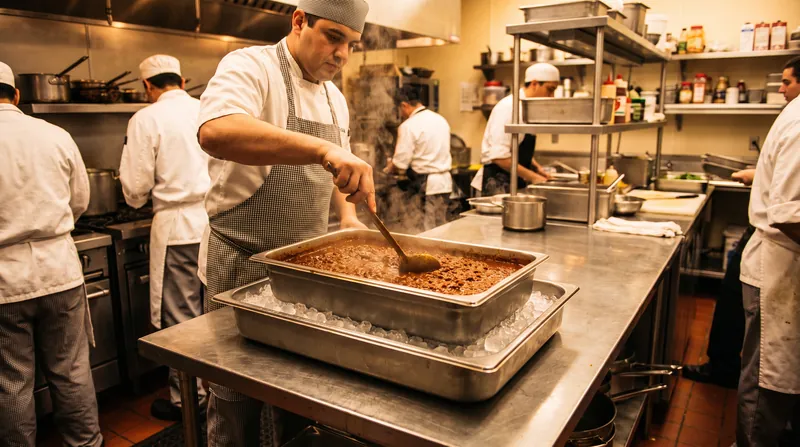
The 135°F to 41°F Plunge: How the FDA's Two-Stage Cooling Rule Stops Pathogen Growth in Cooked Food
6 sources
Corporate Accountability
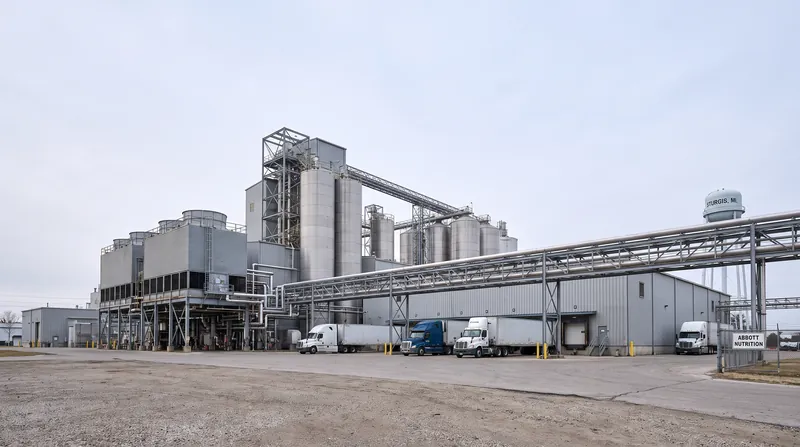
Abbott Agrees to $385 Million Settlement Over Baby Formula Plant Contamination Claims
4 sources
Emulsion Science
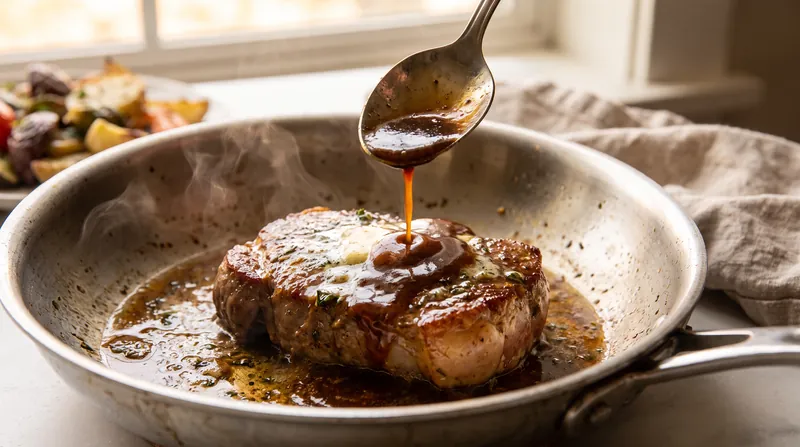
The 140°F Butter Mount: How Restaurants Emulsify Pan Sauces Without Breaking
6 sources
Restaurant Closures
O'Charley's Closes All Remaining Corporate-Owned Restaurants Nationwide
4 sources

Comments
Every angle. Every day.
Get Food & Drink stories with full source coverage and perspective breakdowns, free every day.