
Snowboard Injury Report: Brearley, McMorris, and Hirano Target 2026–27 Returns Following Grueling Olympic-Year Setbacks
Following a bruising Olympic season, top snowboarders including Liam Brearley, Mark McMorris, and Ayumu Hirano are making significant strides in their rehabilitation as they prepare for the upcoming FIS World Cup campaign.
By Jackson Reed

Share this story
The 2026 Winter Olympics in Milano Cortina exacted a heavy physical toll on the world's top snowboarders, with the high-stakes environment leading to several devastating crashes. However, the summer off-season has brought a wave of positive rehabilitation milestones that are reshaping the narrative of the sport.
As athletes pivot their focus toward the upcoming 2026–27 FIS Snowboard World Cup campaign, several high-profile riders are returning to the snow following grueling recoveries. These comebacks underscore the remarkable physical and mental resilience required to compete at the pinnacle of freestyle snowboarding, transforming moments of severe trauma into inspiring displays of determination.[1][5]
Canadian slopestyle world champion Liam Brearley is among the most notable returnees preparing for the upcoming season. The 22-year-old phenom was forced to miss his highly anticipated Olympic debut after suffering severe knee and ankle injuries during a November 2025 training camp in Austria.
Following successful reconstructive surgery in December, Brearley committed to a rigorous, heavily structured rehabilitation program. Canada Snowboard officials confirmed that his recovery tracked ahead of schedule, allowing him to initiate light on-snow progression in April. He is now steadily ramping up his training intensity ahead of the World Cup circuit.[1][5]
"The Olympics mean a lot, but so does having a long career ahead," Brearley noted following his surgery, emphasizing that his long-term health remained the ultimate priority over a rushed Olympic appearance. With his knee stabilized and his rehabilitation progressing smoothly, the current World Snowboard Points List leader is expected to be a dominant force when the slopestyle season resumes. His management team has ensured he remains active in the snowboarding community, utilizing the downtime to focus on strength conditioning and strategic planning for his return to elite competition.[1]
Brearley's veteran teammate, Mark McMorris, is also enjoying a healthy off-season after surviving a terrifying ordeal in Italy. During a big air training session at the Livigno Snow Park on February 4, McMorris caught his heel edge on a landing and suffered a massive impact. The crash resulted in a concussion, severe pelvic bone bruising, and strained abdominal muscles. Stretchered off the course and hospitalized, the 32-year-old's Olympic campaign appeared to be over, casting doubt on his immediate future in the sport.[2][6]
Yet, in a stunning testament to the sport's inherent toughness, McMorris cleared rigorous concussion protocols and returned to the slopes just nine days later. He successfully competed in the slopestyle final, finishing eighth overall against a highly competitive field. Now fully recovered from the bone bruising and abdominal strains, McMorris has spent the summer rebuilding his physical baseline. The three-time Olympic bronze medalist has not ruled out continuing his competitive career, noting that he remains highly motivated by the progression of the sport's younger generation.[2][6]
In the halfpipe discipline, Japan's Ayumu Hirano is steadily recovering from one of the most astonishing displays of endurance in recent Olympic history. The defending Olympic champion arrived at the Milano Cortina Games with severe knee bruising and a fractured hip, injuries sustained during a heavy fall in Laax, Switzerland, just weeks prior.
Despite the immense physical limitations and the inherent dangers of riding a 22-foot superpipe with compromised mobility, Hirano refused to withdraw from the competition. Relying on adrenaline, sheer willpower, and careful medical management, he successfully dropped into the Olympic halfpipe to defend his title.[3]
Riding through the pain, Hirano managed to qualify for the final and ultimately finished seventh overall. "I'm glad I was able to finish alive today," Hirano remarked after the event, acknowledging that he had to alter his routine and abandon his signature 1620 rotation to accommodate his fractured hip.
The Japanese star has used the post-Olympic months to allow his bones to heal fully without the pressure of imminent competition. At 27 years old, he has expressed deep gratitude for the experience and confirmed his intention to recover completely and keep evolving his technical arsenal.[3]
Meanwhile, the Australian snowboard cross team continues to support veteran rider Cam Bolton, who suffered one of the most severe and frightening injuries of the Winter Games. Bolton crashed heavily during a training run in Livigno, waking up the following day with worsening pain that scans later revealed to be a fractured neck and back. After initial emergency treatment in a Milan hospital, Bolton was medically evacuated to Melbourne accompanied by a specialist retrieval doctor and nurse to ensure his spine remained stabilized during the long flight.[4]
While Bolton's recovery timeline remains extensive and complex, the successful stabilization of his fractures has provided a crucial foundation for his ongoing rehabilitation. As the Southern Hemisphere winter provides early training opportunities in Australia, New Zealand, and South America, the global snowboard community is celebrating the resilience of its top athletes. For riders like Brearley, McMorris, and Hirano, the focus has definitively shifted from survival and surgery to the pursuit of the next podium, proving that even the most devastating setbacks can be overcome.[1][3][4]
The grueling nature of these recoveries highlights the broader reality of elite snowboarding, where the margin for error is razor-thin and the physical stakes are exceptionally high. Clinical studies on snow sport injuries indicate that while minor setbacks may require only a few weeks of rest, moderate to severe trauma—such as the fractures and ligament tears experienced by this Olympic cohort—demands months of dedicated physical therapy.
The essentials
- Canadian world champion Liam Brearley is back on snow after missing the Olympics due to knee surgery.
- Mark McMorris has fully recovered from a severe concussion and pelvic bone bruising sustained in Italy.
- Japan's Ayumu Hirano is rehabilitating a fractured hip after competing through the pain to finish seventh in the Olympic halfpipe.
- Australian Cam Bolton is undergoing long-term rehabilitation after fracturing his neck and back in a training crash.
Timeline
Nov 2025
Liam Brearley suffers severe knee and ankle injuries in Austria, requiring reconstructive surgery.
Feb 4, 2026
Mark McMorris sustains a concussion and pelvic bone bruising during Olympic big air training.
Feb 13, 2026
Ayumu Hirano competes in the Olympic halfpipe final with a fractured hip, finishing seventh.
Feb 13, 2026
Mark McMorris returns just nine days after his crash to finish eighth in the slopestyle final.
Jul 2026
Injured athletes ramp up their off-season training and on-snow progression ahead of the 2026-27 season.
- Athlete Resilience Focus
- Emphasizes the mental toughness, rapid recovery, and drive of snowboarders to return to elite competition despite severe physical trauma.
- Medical & Rehabilitation Priority
- Prioritizes long-term athlete health, structured rehabilitation plans, and the necessity of sitting out major events to ensure proper healing.
- National Federation Strategy
- Focuses on roster depth, strategic planning, and supporting injured stars while preparing the next generation of riders.
Perspectives this story doesn't cover
- Independent medical experts on the long-term neurological impacts of rapid concussion returns
- Sponsors managing athlete contracts during extended injury absences
Sources
Source coverage
6 outlets
3 viewpoints surfaced






- [1]Canada SnowboardMedical & Rehabilitation Priority
Liam Brearley Faces Knee Injury — Focused on the Comeback
- [2]CBC SportsAthlete Resilience Focus
Canadian snowboarder Mark McMorris confident he'll return from head injury
Read on CBC Sports → - [3]Olympics.comAthlete Resilience Focus
Japan's Hirano Ayumu 'glad I was able to finish alive today'
- [4]7NEWSMedical & Rehabilitation Priority
Australian snowboarder Cam Bolton to fly home after fracturing neck and back
- [5]NBC OlympicsNational Federation Strategy
Snowboard slopestyle world champion Liam Brearley to miss 2026 Milan Cortina Olympics
- [6]Global NewsAthlete Resilience Focus
Snowboarders accept injury as part of the job
More in Sports
See all →Winter Sports
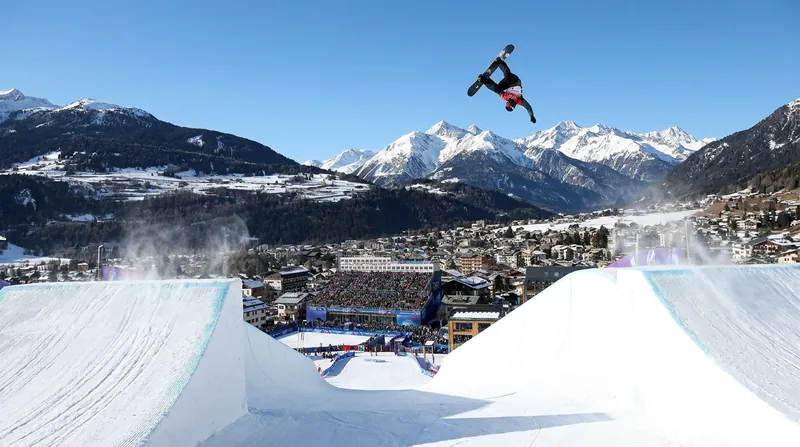
U.S. Ski & Snowboard Unveils Record 13 Domestic World Cup Events for 2026-27 Season
3 sources
Operation Giant Slalom
How 'Operation Giant Slalom' Dismantled a Transnational Cartel Network
4 sources
Standings
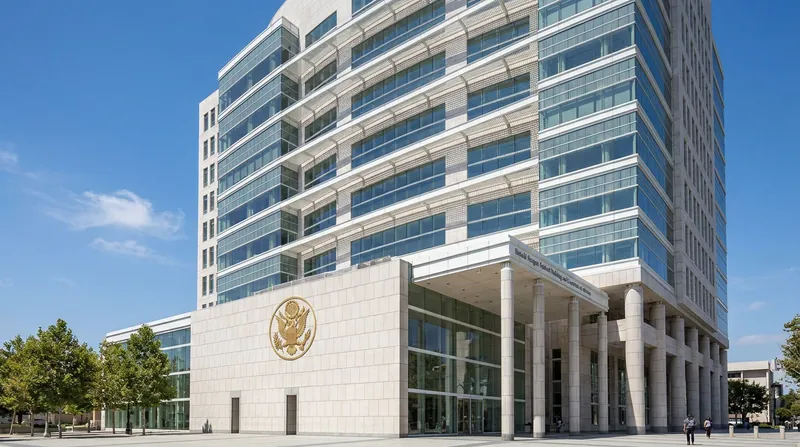
Josie Baff and Adam Lambert Headline the 2026 Australia New Zealand Cup Snowboard Cross Standings Chase
5 sources
Olympic Programming
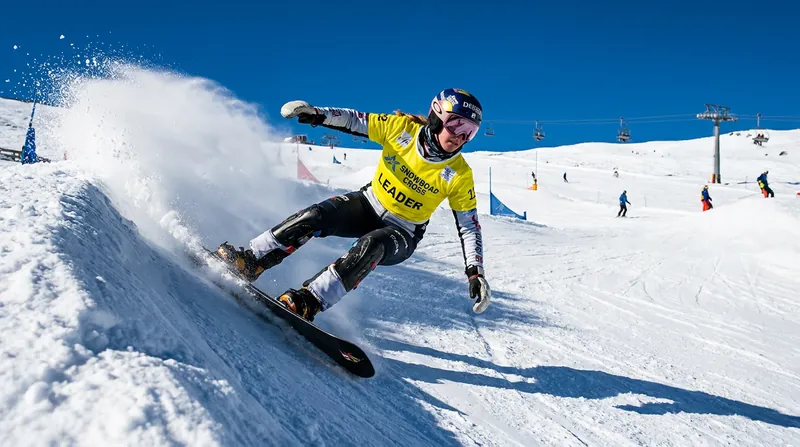
Inside the IOC's Review of Snowboard Parallel Giant Slalom for the 2030 Olympics
2 sources
Comments
Every angle. Every day.
Get Sports stories with full source coverage and perspective breakdowns, free every day.