
NHL Offseason Injury Report: Tippett, Gustavsson, and Danforth Target Training Camp Returns Following Major Surgeries
Several NHL stars, including Owen Tippett and Filip Gustavsson, have undergone successful offseason surgeries and are navigating grueling summer rehabilitation programs to be ready for September's training camps.
By Meera Iyer

Share this story
The NHL offseason is officially underway, shifting the league's focus from the pursuit of the Stanley Cup to the quiet, grueling work of physical rehabilitation. For dozens of players, the summer months are defined by surgical procedures, specialized physical therapy, and strict recovery protocols.[2]
This year's offseason injury report carries a distinctly optimistic tone. Several key contributors who missed significant time—or played through agonizing pain during the postseason—have successfully undergone major surgeries and are currently on track to return for training camp in September.
Among the most notable recoveries is Philadelphia Flyers forward Owen Tippett. Tippett was a vital offensive engine for the Flyers, but his postseason performance was severely hampered by a sports hernia and an associated internal bleeding issue.
Despite the severity of the injury, Tippett managed to play through the pain during the Flyers' first-round series against the Pittsburgh Penguins. However, the internal bleeding eventually forced him out of the lineup during the subsequent series against the Carolina Hurricanes.
In early June, Tippett successfully underwent sports hernia surgery. Medical reports indicate that the internal bleeding has completely healed, removing a significant complication from his recovery process and allowing him to focus entirely on rebuilding his core strength.
The typical recovery timeline for a sports hernia repair ranges from six to twelve weeks. Both Tippett and the Flyers' medical staff have expressed high confidence that he will be fully cleared and ready to participate when training camp opens.[2]
While Tippett's outlook is clear, the situation in the crease for the Minnesota Wild is slightly more ambiguous. Goaltender Filip Gustavsson opted for offseason hip surgery to address chronic wear and tear accumulated over the past several seasons.
Wild General Manager Bill Guerin noted that the procedure was not the result of a single acute injury sustained during the playoffs, but rather a necessary maintenance surgery to prolong Gustavsson's career and restore his lateral mobility.
Gustavsson's readiness for the start of training camp remains in question. Hip surgeries for goaltenders require meticulous rehabilitation to ensure the joint can handle the extreme butterfly movements and explosive pushes required by the position.
If Gustavsson is delayed, the Wild are well-positioned to pivot. Rookie goaltender Jesper Wallstedt, who impressed during his late-season call-ups and playoff appearances, is prepared to shoulder a heavier workload if necessary.
In Columbus, the Blue Jackets are welcoming back a familiar face after a grueling year of rehabilitation. Forward Justin Danforth suffered a broken kneecap in mid-October, an injury that derailed his entire 2025-26 campaign.[1]
The complex fracture required two separate surgeries to properly stabilize the joint. Danforth spent the winter immobilized, watching from the sidelines as his teammates navigated a challenging regular season.[1]
Fortunately, the extensive medical intervention was successful. Former General Manager Jarmo Kekalainen recently confirmed that Danforth is "pretty close to being healthy" and will face no restrictions heading into the 2026-27 season.[1]
A similarly frightening medical situation has been resolved in Buffalo. Sabres forward prospect Jiri Kulich was sidelined in November after doctors discovered a blood clot, a condition that immediately halted his season and required specialized care.[1]
Kulich underwent a medical procedure earlier this spring to completely remove the clot. He was granted access to top specialists at the Mayo Clinic, ensuring he received the highest standard of vascular care.[1]
The 22-year-old has already resumed non-contact skating and is steadily rebuilding his cardiovascular conditioning. Kulich recently told reporters he expects to be a "full-go" for training camp, eager to compete for a permanent roster spot in Buffalo.[1]
Meanwhile, the Edmonton Oilers are monitoring the recovery of veteran forward Mattias Janmark. Janmark had been battling a nagging upper-body issue since the Olympic break, ultimately opting for shoulder surgery in early March.
By choosing to undergo the procedure before the season concluded, Janmark sacrificed his playoff eligibility to ensure his long-term health. Head coach Kris Knoblauch confirmed the surgery was successful and aligned with a six-month recovery window.
Janmark is currently progressing through his physical therapy milestones and is fully expected to join the Oilers on the ice when training camp begins in September.
Across the league, the narrative of the offseason is one of resilience. From complex joint reconstructions to vascular procedures, NHL medical staffs are successfully navigating severe ailments, ensuring that the league's top talent will be ready when the puck drops on a new season.[2]
The essentials
- Flyers forward Owen Tippett underwent successful sports hernia surgery in early June and is expected to be ready for training camp.
- Wild goaltender Filip Gustavsson had offseason hip surgery, leaving his availability for the start of the season in question.
- Blue Jackets forward Justin Danforth is nearing full health after a broken kneecap required two surgeries and cost him the 2025-26 season.
- Sabres prospect Jiri Kulich has resumed non-contact skating after a procedure to remove a blood clot.
Timeline
October 2025
Justin Danforth suffers a broken kneecap, requiring two surgeries and ending his season.
November 2025
Jiri Kulich is sidelined due to a blood clot, halting his development year.
March 2026
Mattias Janmark opts for season-ending shoulder surgery to address a nagging injury.
May 2026
Filip Gustavsson undergoes hip surgery to repair chronic wear and tear.
Early June 2026
Owen Tippett undergoes sports hernia surgery following the Flyers' playoff exit.
September 2026
Target date for recovering players to return for NHL training camps.
- Team Management
- Managing roster construction, goaltending depth, and salary cap implications during summer recoveries.
- Players and NHLPA
- Prioritizing long-term health, quality of life post-hockey, and the mental resilience required to endure months of isolated rehabilitation.
- Sports Medicine Professionals
- Focusing on the advancements in surgical techniques and rehabilitation that allow athletes to return from severe injuries faster.
Perspectives this story doesn't cover
- Minor league players facing similar injuries without NHL resources
Sources
Source coverage
2 outlets
3 viewpoints surfaced


- [1]NHL.comTeam Management
End of season injury updates: Danforth, Kulich progressing
Read on NHL.com → - [2]SportsnetSports Medicine Professionals
NHL Offseason Injury Report: Players targeting training camp returns
Read on Sportsnet →

More in Sports
See all →Preview
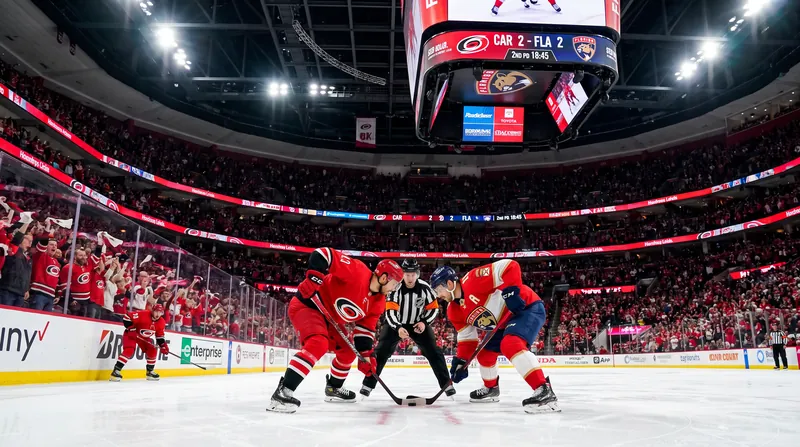
NHL 2026-27 Season Preview: The 84-Game Era Begins Under a New CBA
7 sources
Recap
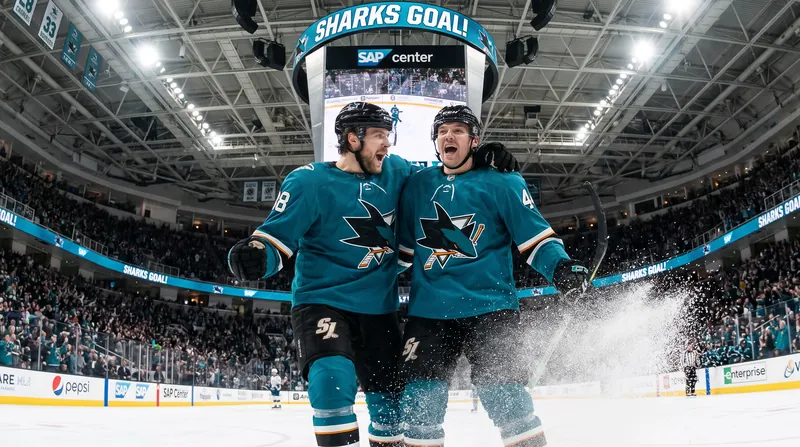
Sharks' Rebuild Ignites in 10-0 Preseason Demolition of Ducks
6 sources
Storyline
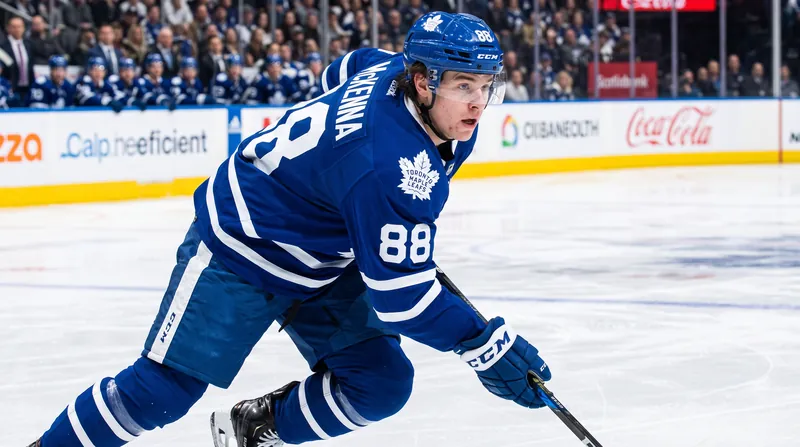
"This is the year we end the drought": Gavin McKenna's Arrival Supercharges the Maple Leafs
7 sources
Injury
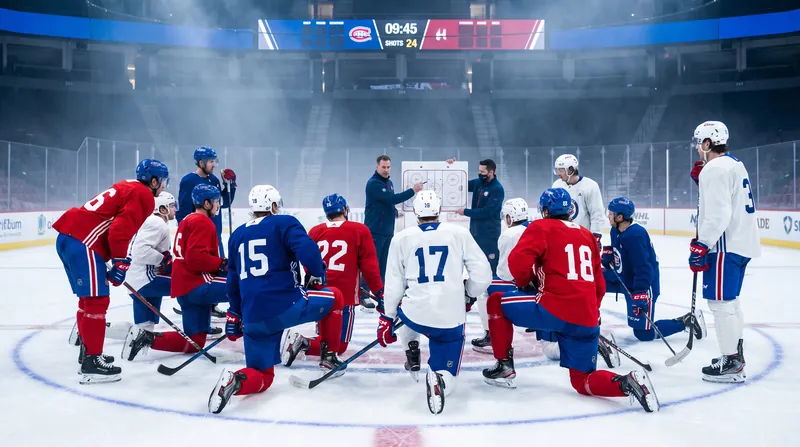
NHL Training Camp Injury Report: Ovechkin Sidelined, Larkin Out, and Engvall's Long-Awaited Return
9 sources
Comments
Every angle. Every day.
Get Sports stories with full source coverage and perspective breakdowns, free every day.