
New Science Suggests Post-Workout Cold Plunges May Inhibit Muscle Growth
While ice baths temporarily reduce soreness, emerging research shows that plunging immediately after resistance training blunts the inflammation and cellular signaling required to build muscle.
By Maya Khalil

Share this story
In short
- Cold plunging immediately after resistance training blunts the natural inflammatory response required for muscle repair.
- A 2024 meta-analysis found a 95.7% probability that post-workout cold water immersion attenuates muscle hypertrophy.
- Cold water immersion suppresses satellite cell activation and the mTOR pathway, which are critical for building new muscle tissue.
Ice baths have transitioned from the esoteric routines of professional athletes to a mainstream wellness obsession. Across social media and in commercial gyms, fitness enthusiasts routinely step out of the squat rack and directly into tubs of freezing water. The pitch is intuitive: lifting weights causes micro-tears and inflammation in the muscles, and cold water quickly flushes out that inflammation, reducing soreness and speeding up recovery. For years, this practice was widely accepted as a universal good for anyone looking to improve their physical fitness.[1]
But a growing body of clinical evidence is forcing a major reevaluation of this post-workout ritual. While cold water immersion (CWI) undeniably makes you feel better in the short term, researchers are discovering that it actively interferes with the body's long-term adaptation to resistance training. By artificially suppressing the natural inflammatory response immediately after a workout, cold plunges blunt the cellular signals that tell muscles to grow larger and stronger.[1][2]
The most definitive evidence arrived in a comprehensive 2024 meta-analysis published in the European Journal of Sport Science. Researchers pooled data from eight controlled trials that directly compared resistance training followed by cold water immersion against training followed by active or passive recovery. The results were striking: the data showed a 95.7% probability that post-workout cold plunges attenuate muscle hypertrophy. The cold water didn't just fail to help muscle growth; it actively got in the way.[2]
To understand why ice baths sabotage gains, we have to look at the microscopic mechanics of how muscle is built. When you lift heavy weights, you create mechanical tension and metabolic stress, which cause microscopic damage to muscle fibers. This damage triggers an acute inflammatory response. Blood rushes to the area, bringing oxygen, nutrients, and immune cells to clear away damaged tissue and begin the repair process. This localized inflammation is not a mistake or a side effect—it is the essential biological trigger for muscle growth.[1][7]
When you submerge your body in water below 60°F (15°C) immediately after this stress, your blood vessels rapidly constrict. This vasoconstriction successfully numbs the area and reduces swelling, which is why you feel less sore the next day. However, it also cuts off the very blood flow required to deliver repair cells. By prematurely shutting down the inflammatory cascade, the cold plunge effectively tells the body that the emergency is over before the rebuilding process has even started.[1][7]
The blunting effect goes all the way down to the cellular level. A landmark study published in The Journal of Physiology tracked athletes who either used active recovery (like light cycling) or cold water immersion after strength training. The researchers found that the cold water significantly reduced the activation of satellite cells—specialized stem cells that fuse to muscle fibers to facilitate growth and repair. Furthermore, the cold suppressed the mTOR pathway, a critical protein complex that acts as the master regulator of muscle protein synthesis.[3]
The physical results of this cellular suppression are measurable. In that same Journal of Physiology study, participants who used active recovery saw their Type II (fast-twitch) muscle fiber cross-sectional area increase by 17% over the training period. In contrast, the group that used post-workout cold water immersion saw no statistically significant growth in those same muscle fibers. They put in the exact same work in the gym, but the ice bath erased the structural reward.[3]
It is important to note that cold plunges do not completely eliminate muscle growth, nor do they destroy existing muscle. The meta-analysis data shows that individuals using cold water immersion still gain some strength and size, but the adaptations are significantly attenuated compared to what they would have achieved without the ice. If your primary goal is maximizing hypertrophy, jumping into an ice bath within 20 minutes of your last set is leaving substantial gains on the table.[2][4]
However, the science does not suggest that cold plunges are useless—it simply clarifies what they are actually good for. While CWI blunts hypertrophy, it is highly effective at reducing delayed-onset muscle soreness (DOMS) and lowering perceived fatigue.
A meta-analysis in PLOS One confirmed that cold water immersion reliably decreases perceived exertion and clears lactate from the blood. If you are a CrossFit competitor with multiple events in a single weekend, or a basketball player in the middle of a playoff series, the immediate reduction in soreness is far more valuable than long-term muscle growth.[5]
Furthermore, the blunting effect appears to be specific to resistance training and neuromuscular adaptations. Studies evaluating endurance athletes have found that post-workout cold plunges have zero measurable negative effect on aerobic capacity or cardiovascular adaptations. For runners, cyclists, and triathletes whose primary goal is building an aerobic engine rather than muscle mass, cold water immersion remains a viable and effective recovery tool.[1][4]
The timing of the cold exposure is the critical variable that dictates whether it helps or hurts. In almost all the studies demonstrating a blunting effect on muscle growth, the cold water immersion was applied within 20 minutes of finishing the workout. This is the exact window when the acute inflammatory response is ramping up. By separating the cold exposure from the training stimulus, fitness enthusiasts can likely enjoy the benefits of both.[2][4]
Sports medicine professionals now recommend a more strategic approach to cold therapy. If your goal is building muscle, you should wait at least one to two hours after your strength workout before getting into a cold plunge, allowing the initial inflammatory signaling to take place. Better yet, schedule your cold plunges for active recovery days or rest days. This ensures that the cold exposure does not interfere with the post-workout anabolic window.[1][7]
Beyond muscle recovery, cold plunging offers systemic benefits that occur independently of exercise. Brief exposure to cold water triggers a massive release of norepinephrine and dopamine, leading to the profound mood boost and mental clarity that many users report. It also activates brown adipose tissue (brown fat) through non-shivering thermogenesis, which can increase metabolic rate and improve insulin sensitivity. These benefits are entirely preserved when the plunge is done on a rest day or first thing in the morning, far removed from the weight room.[1]
Safety remains a crucial consideration, regardless of when you plunge. The American Heart Association warns that sudden immersion in water below 60°F can cause a cold shock response, leading to a rapid spike in heart rate and blood pressure. Individuals with underlying cardiovascular conditions, or those taking beta-blockers, should consult a physician before adopting a cold plunge routine. For healthy individuals, the goal is consistency rather than extreme endurance; benefits are typically seen with just 2 to 5 minutes of exposure.[6]
The evolution of cold plunge science is a classic example of how fitness trends often outpace clinical understanding. What began as a blanket recommendation for 'recovery' is now being refined into a precise, goal-oriented tool. Inflammation is not inherently bad; in the context of lifting weights, it is the architect of progress. By understanding the biological mechanisms at play, athletes can stop fighting their own physiology and use cold therapy when it actually serves their goals.[1][7]
Key terms
- Hypertrophy
- The enlargement of an organ or tissue; in fitness, it refers specifically to the increase in skeletal muscle size achieved through resistance training.
- Cold Water Immersion (CWI)
- The practice of submerging the body in cold water (typically below 60°F) for short periods to promote recovery or systemic health benefits.
- Satellite Cells
- Specialized stem cells located on the surface of muscle fibers that multiply and fuse to the muscle to repair damage and drive growth.
- mTOR Pathway
- A critical cellular signaling pathway that acts as the master regulator of protein synthesis, telling the body to build new muscle tissue.
- Delayed-Onset Muscle Soreness (DOMS)
- The muscle pain and stiffness that typically peaks 24 to 72 hours after unfamiliar or intense exercise.
- Vasoconstriction
- The narrowing of blood vessels, which reduces blood flow to an area; triggered by cold exposure to preserve core body heat.
Frequently asked
Does cold plunging destroy my existing muscle?
No. Cold plunging does not break down existing muscle tissue. It simply blunts the cellular signals that tell your body to build new muscle after a workout.
When is the best time to take an ice bath if I lift weights?
To avoid interfering with muscle growth, wait at least one to two hours after your strength training session, or schedule your cold plunges for your rest days.
Are cold plunges bad for runners and endurance athletes?
Current research shows that cold water immersion does not negatively affect aerobic capacity or cardiovascular adaptations, making it a safe recovery tool for pure endurance training.
How cold should the water be for a cold plunge?
Most clinical benefits are achieved in water temperatures between 50°F and 59°F (10°C to 15°C). Going colder does not necessarily increase the benefits and raises the risk of cardiovascular shock.
Viewpoints in depth
Hypertrophy & Strength Coaches
Prioritize long-term muscle adaptation and view acute inflammation as a necessary mechanism for growth.
For professionals focused on building muscle mass and absolute strength, the post-workout inflammatory response is not a symptom to be treated, but the very mechanism of progress. This camp points to the robust clinical data showing that cold water immersion suppresses satellite cell activation and the mTOR pathway. They argue that the fitness industry's obsession with 'recovery' has led people to systematically undo the hard work they put in at the gym. In their view, if an athlete's primary goal is hypertrophy, they must endure the temporary discomfort of delayed-onset muscle soreness to reap the structural rewards of their training.
Endurance & Multi-Sport Athletes
Prioritize immediate recovery, pain reduction, and the ability to perform repeatedly over maximizing muscle size.
Athletes who compete in endurance sports, CrossFit, or multi-day tournaments view recovery through a different lens. For them, the priority is clearing lactate, reducing perceived exertion, and being physically capable of performing at a high level again the next day. This camp relies on data showing that cold water immersion reliably decreases soreness and has no negative impact on aerobic or cardiovascular adaptations. They argue that the slight blunting of muscle hypertrophy is a worthwhile trade-off if it allows an athlete to maintain a higher overall training volume or survive a grueling competition schedule.
Longevity & Wellness Advocates
Focus on the systemic, non-muscular benefits of cold exposure, such as mood enhancement and metabolic health.
This perspective looks beyond the weight room, viewing cold plunging primarily as a tool for systemic health and mental resilience. Advocates highlight the profound neurochemical effects of cold water, including massive spikes in dopamine and norepinephrine, which can alleviate stress and improve focus. They also point to the activation of brown adipose tissue, which improves metabolic rate and insulin sensitivity. For this camp, the debate over post-workout timing is secondary; they recommend cold plunging as a standalone morning routine or a rest-day practice to capture these broader physiological benefits without interfering with fitness goals.
- Hypertrophy & Strength Coaches
- Argue that maximizing muscle growth requires the body's natural inflammatory response, advising clients to avoid post-workout ice baths entirely.
- Endurance & Multi-Sport Athletes
- Value immediate recovery, pain reduction, and the ability to perform multiple times in a short window over absolute muscle mass.
- Longevity & Wellness Advocates
- Focus on the systemic benefits of cold exposure, such as mood enhancement, brown fat activation, and vagus nerve stimulation, regardless of workout timing.
Perspectives this story doesn't cover
- Manufacturers of commercial cold plunge tubs, who have a financial interest in promoting daily use.
- Physical therapists who use localized cold therapy (like ice packs) for acute injury management rather than whole-body recovery.
Sources
Source coverage
7 outlets
3 viewpoints surfaced






- [1]Factlen Editorial TeamLongevity & Wellness Advocates
Synthesis by Factlen editorial team
Read on Factlen Editorial Team → - [2]European Journal of Sport ScienceHypertrophy & Strength Coaches
Throwing cold water on muscle growth: A systematic review with meta-analysis of the effects of postexercise cold water immersion on resistance training-induced hypertrophy
Read on European Journal of Sport Science → - [3]The Journal of PhysiologyHypertrophy & Strength Coaches
Post-exercise cold water immersion attenuates acute anabolic signalling and long-term adaptations in muscle to strength training
Read on The Journal of Physiology → - [4]Journal of Applied PhysiologyHypertrophy & Strength Coaches
Cold water immersion attenuates anabolic signaling and skeletal muscle fiber hypertrophy, but not strength gain, following whole-body resistance training
Read on Journal of Applied Physiology → - [5]PLOS OneEndurance & Multi-Sport Athletes
Effects of cold water immersion on muscle soreness and recovery
- [6]American Heart AssociationLongevity & Wellness Advocates
Cold Water Immersion and Cardiovascular Risks
- [7]DISC Sports & Spine CenterEndurance & Multi-Sport Athletes
Cold Plunging Hype: What the Science Says
More in Fitness
See all →Recovery Science
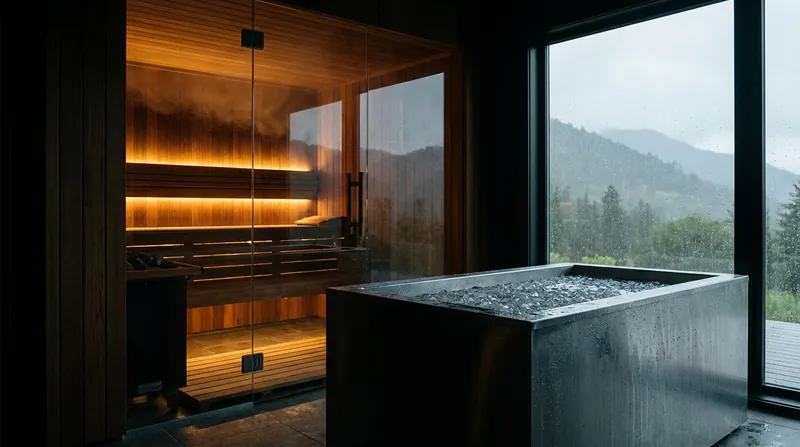
The 24-Hour Window: Why Cold Water Immersion Immediately Post-Workout Blunts Muscle Protein Synthesis
6 sources

Recovery Science
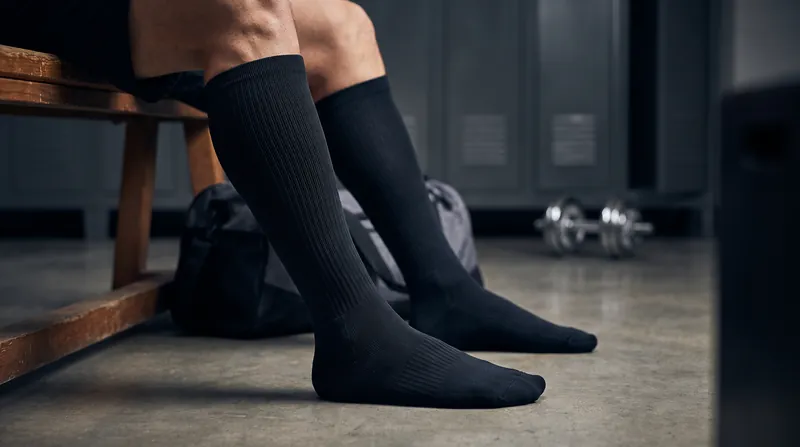
The 20-30 mmHg Pressure Gradient: How Compression Garments Accelerate Waste Removal Without Impairing Arterial Blood Flow
8 sources
Peptide Regulation
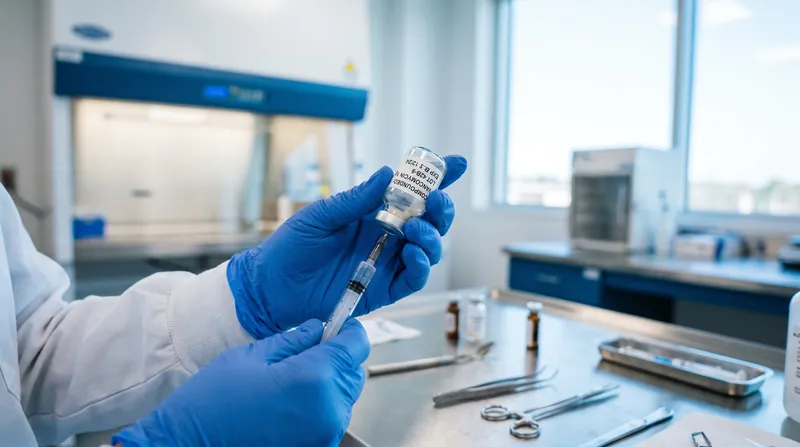
FDA Advisory Committee Recommends BPC-157 and TB-500 for Compounding Access
7 sources
Sarcopenia Research
Novel Compound LASSS Identified to 'Supercharge' Muscle Repair and Combat Sarcopenia
7 sources

Comments
Every angle. Every day.
Get Fitness stories with full source coverage and perspective breakdowns, free every day.