
Man Wei Chong Pioneers Non-Surgical ACL Recovery Ahead of Japan Open Return
Malaysian men's doubles star Man Wei Chong is set to return to the court at the Japan Open after successfully treating an ACL tear using an innovative non-surgical bracing protocol.
By Xia Wu
Share this story
Man Wei Chong’s return to the BWF World Tour at the upcoming Japan Open marks more than just a personal comeback; it represents a medical milestone in the sport of badminton. After suffering a severe anterior cruciate ligament (ACL) injury earlier this year, the 25-year-old Malaysian men's doubles specialist is returning to elite competition without having undergone reconstructive surgery, pioneering a new approach to joint recovery on the international circuit.[1]
Wei Chong initially sustained the right knee injury in February 2026. He battled through the pain during Malaysia’s Thomas Cup campaign in Horsens, Denmark, before the condition significantly worsened. Subsequent MRI scans revealed a multi-layered issue, including an ACL tear, meniscus damage, and chondral defects. The severity of the diagnosis forced his immediate withdrawal from the Malaysia Masters, Singapore Open, and Indonesia Open, leaving his season in jeopardy.[1][4]
Faced with a career-altering diagnosis, Wei Chong had a critical decision to make. Rather than opting for traditional reconstructive surgery—which involves grafting a tendon to replace the torn ligament and typically sidelines athletes for nine to 12 months—Wei Chong and the National Sports Institute medical team chose an emerging treatment known as the Cross-Bracing Protocol (CBP). This decision bypassed the operating table entirely in favor of natural healing.[1]
The Cross-Bracing Protocol involves immobilizing the acutely injured knee in a functional rigid brace locked at a strict 90-degree angle shortly after the trauma occurs. Over an eight-to-twelve-week period, medical staff gradually adjust the brace to allow the knee to straighten incrementally. Recent clinical studies published in leading sports medicine journals have demonstrated that this specific immobilization reduces the distance between the torn ACL fibers, allowing them to bridge the gap and heal naturally, restoring structural continuity without the need for invasive surgical grafts.[1][3]
Sports medicine physician Dr. Hazwan Khair noted that for eligible athletes, the non-surgical route can effectively halve the recovery timeline, allowing a return to the court in just four to six months. However, the process is far from easy. It requires intense, strict rehabilitation to rebuild the severe quadriceps atrophy that occurs during the prolonged immobilization period. The athlete must undergo grueling physical therapy to ensure the joint has the muscular support necessary to handle the explosive jumping and twisting movements inherent to badminton.[1][3]
After two months of rigorous off-court physical therapy and strength conditioning, Wei Chong returned to full on-court training at the Academy Badminton Malaysia (ABM) in early July. Men's doubles head coach Herry Iman Pierngadi has been managing his physical load carefully, noting that the shuttler is currently operating at about 70 to 75 percent of his peak fitness as his body re-acclimates to the demands of the sport.
“He's still not at 100 percent and there are still several areas that need improvement,” Herry explained to the press. To bridge the gap, the coaching staff is administering specific situational drills designed to sharpen Wei Chong’s reaction times. Because his reflexes naturally slowed during the extended layoff, these targeted exercises are crucial for ensuring he can handle the rapid-fire, flat exchanges at the net that define modern men's doubles.
Wei Chong’s return to the court coincides with a massive structural shakeup within the Malaysian national team. In a bold bid to challenge for gold at the 2028 Los Angeles Olympics, the Badminton Association of Malaysia (BAM) and coaching director Rexy Mainaky have decided to split several established pairs. As part of this strategic overhaul, Wei Chong will now partner with Olympic bronze medallist Soh Wooi Yik.
Despite the severe injury and the ranking volatility that inherently comes with forming a scratch pairing, the duo has retained their spot in the nation's elite Road to Gold (RTG) program. Wei Chong expressed immense relief that the administration is providing them a grace period to rebuild their world ranking, allowing the new pair to focus entirely on developing their on-court chemistry rather than stressing over immediate qualification points.[2]
The newly formed partnership will face their first major international test at the Daihatsu Japan Open in Tokyo. They have been drawn against Taiwan’s Lee Fang-jen and Lee Fang-chih in the opening round, a match that will serve as a crucial barometer for both Wei Chong's knee stability and the pair's tactical synergy under tournament pressure.
Wei Chong’s successful navigation of the Cross-Bracing Protocol could significantly influence how other badminton federations handle the sport’s growing ACL crisis. With the BWF calendar demanding an unprecedented physical toll on players' lower bodies, non-surgical recovery pathways offer a vital, career-saving lifeline for shuttlers facing severe joint injuries, proving that going under the knife is no longer the only option.[1][3]
Key points
- Malaysian men's doubles player Man Wei Chong is returning to competition at the Japan Open after recovering from an ACL tear without undergoing surgery.
- He utilized the Cross-Bracing Protocol, which immobilizes the knee at 90 degrees to allow the ligament to heal naturally.
- The non-surgical approach effectively halved his recovery time from the traditional 9-to-12 months down to just four to six months.
- Wei Chong will debut alongside Olympic bronze medallist Soh Wooi Yik as part of a national team reshuffle aimed at the 2028 Los Angeles Olympics.
How we got here
February 2026
Wei Chong initially sustains a multi-layered right knee injury, including an ACL tear.
May 2026
The injury worsens after playing through pain at the Thomas Cup, forcing his withdrawal from the Malaysia Masters.
June 2026
BAM announces a major doubles reshuffle, pairing Wei Chong with Soh Wooi Yik for the LA2028 cycle.
Early July 2026
Wei Chong returns to full on-court training at Academy Badminton Malaysia after completing his non-surgical rehab.
July 14, 2026
The new pairing is set to debut at the Daihatsu Japan Open in Tokyo.
- Sports Medicine Specialists
- Medical experts view the Cross-Bracing Protocol as a paradigm shift in treating acute ligament tears without surgery.
- National Coaching Staff
- Coaches are focused on carefully managing the player's physical load while building a new Olympic-caliber partnership.
- The Players
- Athletes are balancing the relief of avoiding the operating table with the pressure of meeting elite performance targets.
Perspectives this story doesn't cover
- Traditional Orthopedic Surgeons
Sources
Source coverage
4 outlets
3 viewpoints surfaced



- [1]The StarThe Players
Wei Chong may not even need surgery due to other treatment options
Read on The Star → - [2]The StarThe Players
Wei Chong relieved to stay on RTG track despite change in pairing
Read on The Star → - [3]British Journal of Sports MedicineSports Medicine Specialists
Healing of acute anterior cruciate ligament rupture on MRI and outcomes following non-surgical management with the Cross Bracing Protocol
Read on British Journal of Sports Medicine → - [4]BernamaNational Coaching Staff
Malaysia Masters: Wei Chong's Status Still Uncertain
Read on Bernama →
More in Sports
See all →Japan Open
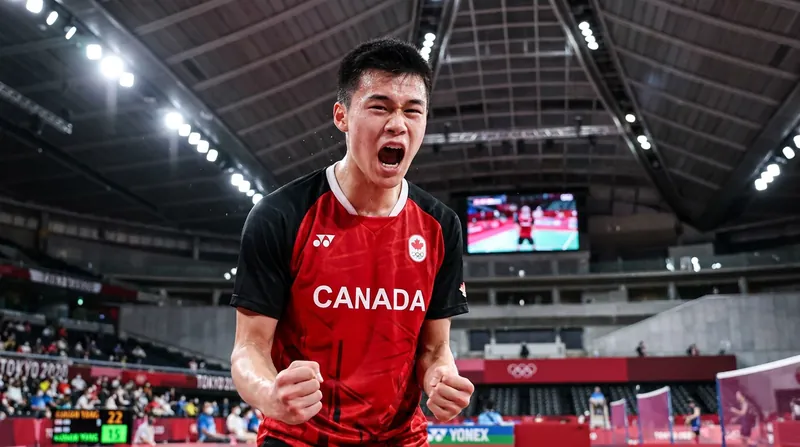
Brian Yang Stuns Former World Champion Loh Kean Yew in Japan Open First Round
5 sources
Japan Open
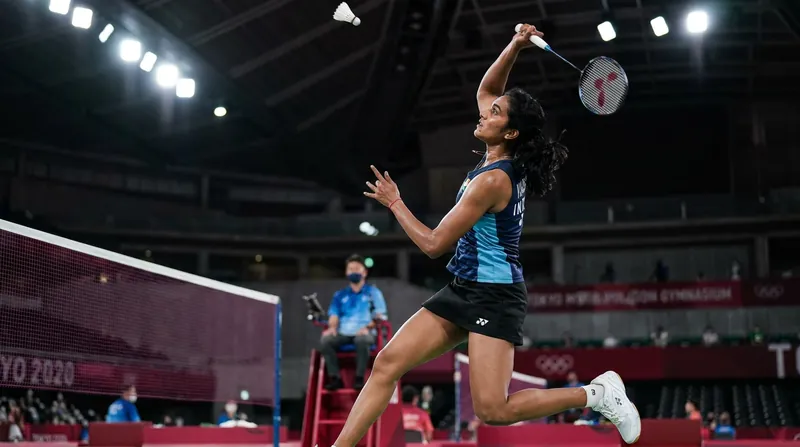
PV Sindhu Cruises Past Wong Ling Ching in Japan Open 2026 Opener
3 sources
Japan Open
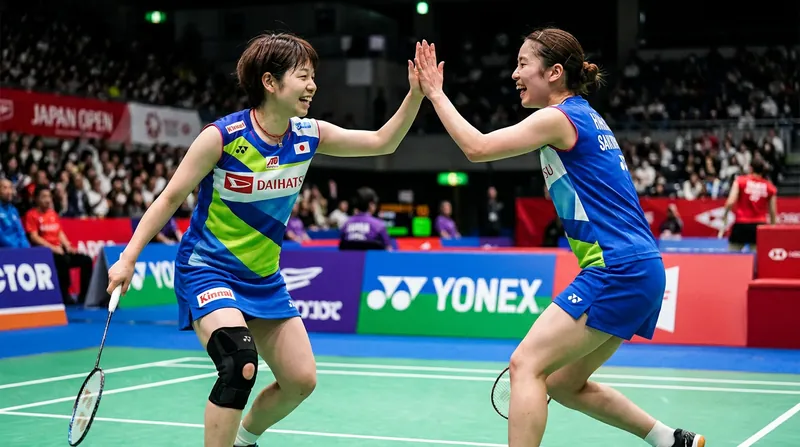
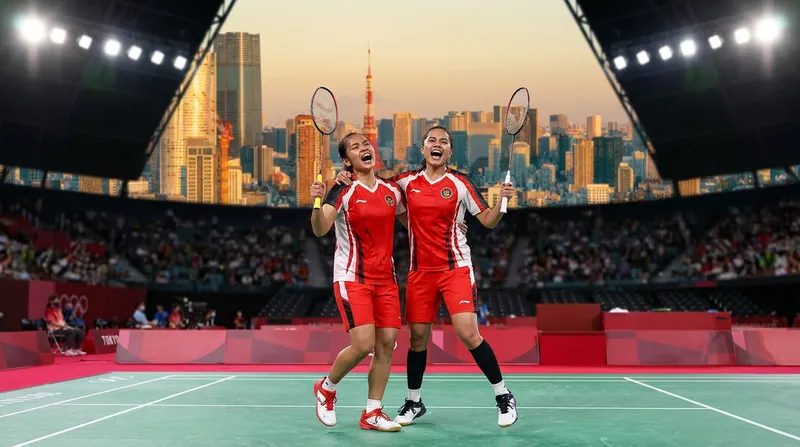
Kusuma and Puspitasari Mount Stunning Comeback to Advance at Japan Open
4 sources
Injury
Kong Hee Yong Caps Knee Surgery Comeback With Dramatic 30-29 Japan Open Title Victory
6 sources
Comments
Every angle. Every day.
Get Sports stories with full source coverage and perspective breakdowns, free every day.