
La Liga Implements Sweeping Anti-Time-Wasting Rules for 2026-27 Season to Maximize Active Play
Spain's Technical Committee of Referees has introduced strict new protocols—including a 10-second substitution limit and penalties for goalkeeper injuries—to eliminate deliberate delays and improve match flow.
By Xia Wu

- The Referees' Committee
- Focused on improving match flow and providing officials with concrete tools to punish cynical delays.
- The Fans and Broadcasters
- Thrilled by the prospect of more active playing time and a more entertaining, continuous product.
- Tactical Managers
- Concerned that strict injury and substitution penalties could compromise player welfare or be exploited defensively.
Perspectives this story doesn't cover
- Players' Union (AFE)
- Goalkeepers
Fast facts
- La Liga is introducing strict new anti-time-wasting rules for the 2026-27 season, which begins on August 15.
- Substituted players must leave the pitch within 10 seconds, or their replacement will be delayed by one minute of active play.
- A new trial requires teams to temporarily remove an outfield player if their goalkeeper requires medical treatment.
- Referees will use a visible five-second countdown for throw-ins and goal kicks, with delays resulting in turnovers or corner kicks.
- The Video Assistant Referee (VAR) system has been expanded to correct mistaken identity and clearly incorrect second yellow cards.
Why this matters
For years, fans have been frustrated by the shrinking amount of actual playing time in top-flight football due to tactical delays and exaggerated injuries. These aggressive new rules represent a major victory for the viewing experience, ensuring that the clock is respected and the focus remains on active, uninterrupted gameplay.
The 2026-27 La Liga season kicks off on August 15 with a radical transformation in how matches are officiated across Spain's top flight. Spain's Technical Committee of Referees (CTA) has unveiled a comprehensive package of rule changes designed to eradicate deliberate time-wasting and maximize the ball's time in play. Following similar initiatives tested internationally and in the Premier League, the sweeping updates aim to fundamentally change how teams manage the clock, introducing severe, immediate consequences for cynical delays that have long frustrated supporters and broadcasters alike.[1][3]
The most striking change targets the slow, tactical substitutions that routinely plague the final minutes of close matches. Under the new protocols, a substituted player has exactly 10 seconds to leave the pitch once the electronic board is raised or the referee signals the change. Referees will strictly monitor this window, eliminating the traditional slow walk to the touchline that managers use to break the opponent's momentum, issue last-minute instructions, and bleed crucial seconds off the clock during high-stakes finales.[1][2]
If the departing player fails to exit within that strict 10-second window, their team faces a severe and immediate consequence on the pitch. The replacement player will not be allowed to enter the match until the next stoppage after one full minute of actual playing time has elapsed. This effectively forces the offending team to play with ten men for a crucial 60-second stretch, turning a cynical time-wasting tactic into a dangerous numerical disadvantage that opponents can actively exploit.[2][6]
Goalkeeper injuries, long a source of frustration for opposing fans and a reliable tool for coaches seeking an unofficial timeout, are also facing a controversial but innovative trial. Historically, goalkeepers going down with minor knocks provided a free window for managers to call players over to the touchline and issue tactical instructions while the clock remained stopped, knowing the referee could not force a specialized shot-stopper off the pitch for medical treatment without pausing the entire match.[3][5]
Now, if a match is halted for a goalkeeper injury that did not result from a sanctionable foul or a direct collision, the team's head coach must immediately designate an outfield player to leave the pitch for one minute once play resumes. If the coach fails to choose a player within the first 10 seconds of the stoppage, the team captain is automatically sidelined. This ensures that the team utilizing the stoppage pays a temporary price in personnel.[1][5]
If the coach fails to choose a player within the first 10 seconds of the stoppage, the team captain is automatically sidelined.
Outfield players are not exempt from the league's aggressive new medical crackdown. Any player requiring medical assessment or treatment on the pitch must leave the field and remain on the sidelines for a minimum of one minute of actual playing time. This specific metric—actual playing time rather than simply elapsed time—is designed to heavily discourage players from going down simply to break the opponent's attacking rhythm or create an unofficial hydration break before immediately sprinting back onto the grass.[4][6]
Restarts are also being strictly policed with a highly visible five-second countdown administered directly by the match official. If a referee determines that a team is deliberately delaying a throw-in, they will raise their hand and visibly count down five seconds. If the throw is not taken by the end of the count, possession is immediately awarded to the opposition, eliminating the tedious standoffs that often occur along the touchline when teams are protecting a narrow lead.[2][4]
The penalty for delaying a goal kick is even more severe and carries massive defensive risks for the offending side. If a goalkeeper fails to restart play within the referee's five-second countdown, the opposing team is automatically awarded a corner kick. This unprecedented rule turns a routine defensive restart into an immediate, high-danger goal-scoring opportunity for the opposition, providing the ultimate deterrent against goalkeepers who casually arrange the ball, converse with defenders, and slowly back away to waste time.[3][4]
Beyond the aggressive time-wasting measures, the CTA has also expanded the powers of the Video Assistant Referee (VAR) to address lingering controversies. The video system can now intervene to correct mistaken identity regarding any card, and crucially, it can overturn clearly incorrect second yellow cards. This closes a frustrating loophole that previously only allowed video review for straight red cards, ensuring that players are not unfairly sent off due to a referee's misjudgment on a second bookable offense.[2][6]
The sweeping changes arrive just in time for a highly anticipated season, which was officially cleared to start in mid-August following an arbitration ruling that favored La Liga over the players' union regarding World Cup calendar congestion. With the new rulebook now officially in place and referees fully empowered to enforce it without hesitation, Spanish football is poised to deliver a faster, more continuous, and ultimately more entertaining product for fans worldwide who have long demanded a return to active gameplay.[7]
Sources
Source coverage
7 outlets
3 viewpoints surfaced







- [1]Tribal FootballThe Fans and Broadcasters
LaLiga confirm new rules to crackdown on timewasting in 2026/27 season
Read on Tribal Football → - [2]The VAR VerdictThe Fans and Broadcasters
La Liga New Rules for 2026/27: VAR Expands and Time-Wasting Faces New Punishments
Read on The VAR Verdict → - [3]beIN SPORTSThe Referees' Committee
Spanish football is preparing for a transformation that will affect players, coaches, and referees
Read on beIN SPORTS → - [4]ComuniateThe Referees' Committee
Spanish football will face the new season with major changes to how the regulations are applied
Read on Comuniate → - [5]SI FCThe Fans and Broadcasters
New 2026–27 La Liga Rules: How Barcelona, Real Madrid Will Be Affected
Read on SI FC → - [6]Sports BuzzfeedTactical Managers
La Liga adopts some major IFAB rule changes for 2026-27
Read on Sports Buzzfeed → - [7]BeSoccer
LaLiga 2026-27 will start on the weekend of 15-16 August after an arbitration ruling
Read on BeSoccer →
Comments

More in Sports
See all →Standings
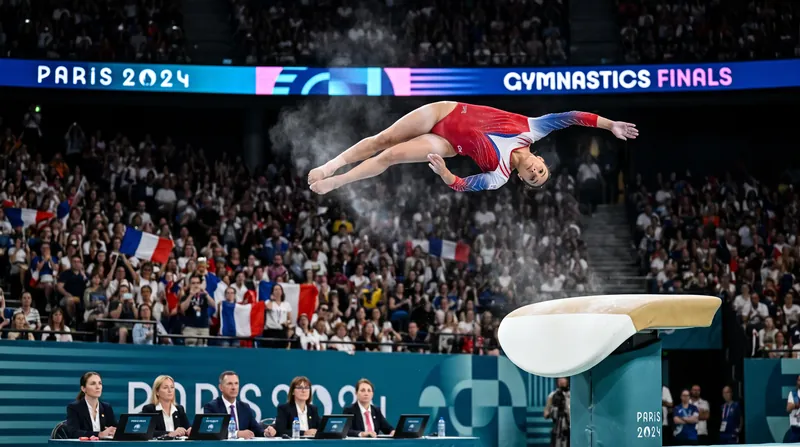
Asian Games Gymnastics Standings: Yeo Seojeong Tops Vault Qualifications as Medal Race Heats Up in Nagoya
5 sources
Injury
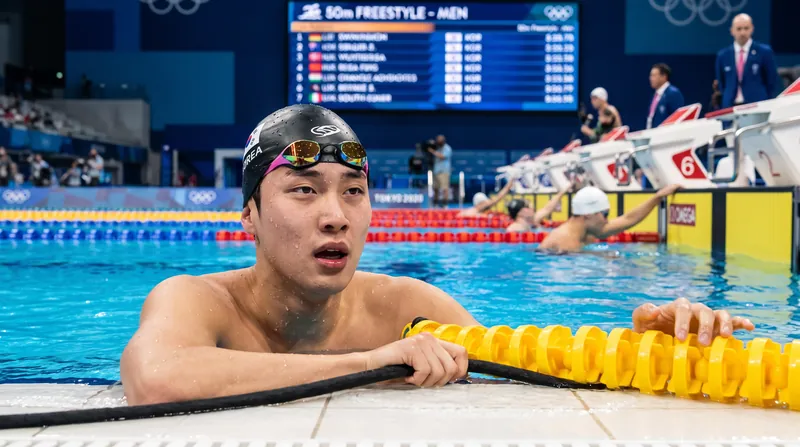
Asian Games Injury Report: Kim Woo-min Battles Through Shoulder Tear, Tong Yu Jing Out After Surgery
5 sources
Trade
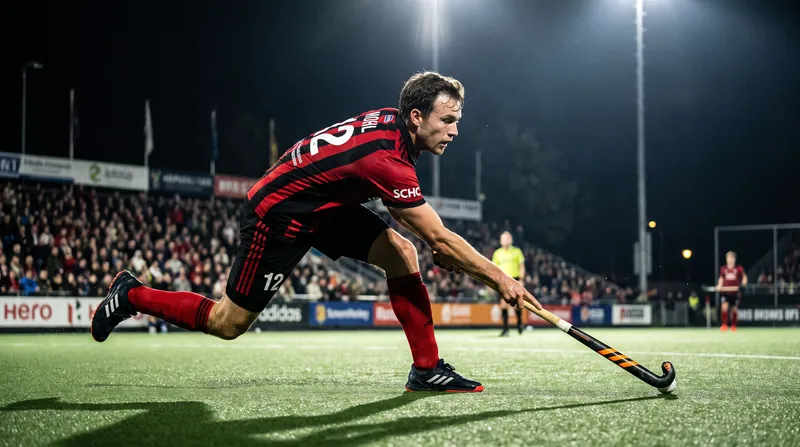
Marlon Landbrug Comes Out of Retirement to Join SCHC in Late Hoofdklasse Transfer Flurry
3 sources
Trade
San Francisco Signal Land International Star Jaja Santiago as LOVB Expansion Franchise Takes Shape
5 sources

Every angle. Every day.
Get Sports stories with full source coverage and perspective breakdowns delivered to your inbox.