
Global Sailing Injury Report: Boucher Battles Setback as SailGP and Olympic Fleets Navigate Midseason Toll
As the 2026 sailing calendar hits its summer stride, athletes across SailGP, ILCA, and Formula Kite are battling back from high-speed crashes and off-water accidents. From Leo Boucher’s gritty European Championship performance to Chris Draper’s resilient return, here is the latest on who is recovering and the on-water impact.
By Omar Haddad

Share this story
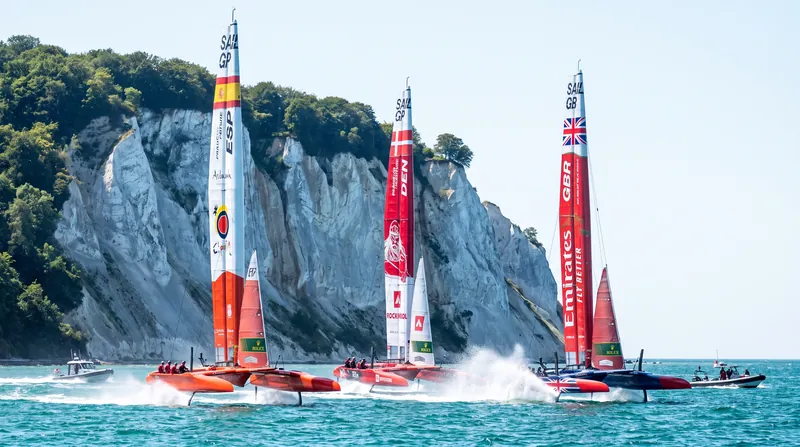
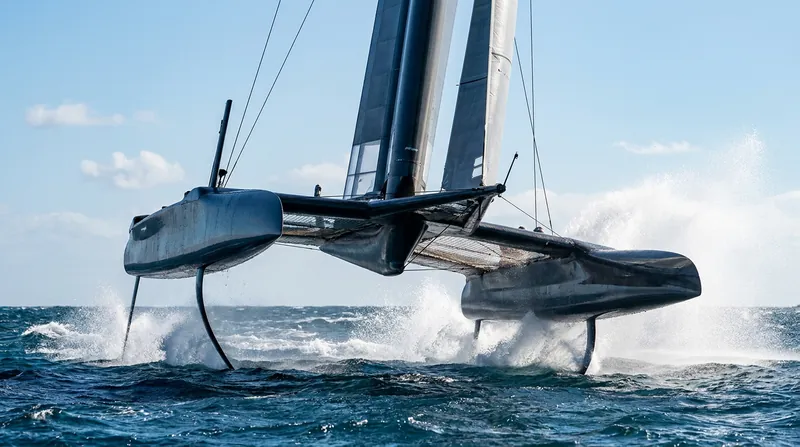
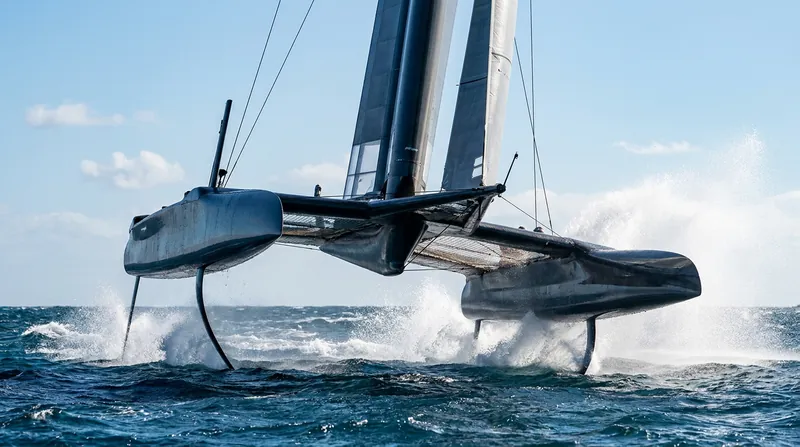
Modern competitive sailing has officially entered the extreme sports arena, trading traditional tactical drifting for foiling catamarans that hit 100 kilometers per hour and grueling Olympic dinghy campaigns that demand peak physical endurance. As the 2026 global sailing calendar hits its summer stride, the physical toll of the sport is becoming increasingly apparent.
However, the defining narrative of the midseason is not the crashes themselves, but the remarkable resilience of the athletes battling back to the water. From the high-octane SailGP circuit to the tactical battles of the ILCA fleet, sailors are navigating painful setbacks, adapting their techniques, and proving that the drive to compete consistently outweighs the inherent risks of the ocean.
The most recent testament to this grit comes from the ILCA dinghy fleet, formerly known as the Laser class. United States sailor Leo Boucher is currently preparing to return stateside this July for comprehensive medical evaluations following a harrowing off-water accident in Croatia. Boucher had traveled to Europe to compete in the highly competitive ILCA European Championship, aiming to test his speed against the world's best in the notoriously shifty and strong offshore breezes of the Mediterranean coast.
Just four minutes into a morning training bike ride ahead of the regatta, Boucher's campaign was violently derailed. He was struck by an inattentive driver, a collision that left him with a severe shoulder injury. The timing could not have been worse, forcing him to take four crucial days off from training just to regain enough basic mobility to consider stepping back into his boat.
Faced with the frustrating prospect of flying home early, Boucher opted instead to race through the pain. The injury forced him to drastically adapt his sailing style; his compromised shoulder prevented him from properly sheeting in, making it nearly impossible to execute S-turns and connect waves on the downwind legs. Despite these severe physical limitations and the resulting hit to his overall placement, Boucher completed the European Championship and is now focused on rehabilitation ahead of his upcoming Olympic-class training blocks in California.
Over in the high-octane SailGP circuit, the physical toll of foiling has been quantified by medical professionals. A recent sports medicine study tracking SailGP athletes found an overall injury rate of 9.96 per 1,000 hours, which skyrockets to 26.5 injuries per 1,000 hours during foiling activities. The data revealed that lower limb injuries, particularly to the ankle and knee, are the most common, with grinders taking the brunt of the positional damage as they power the F50 catamarans.[4]
That statistical reality hit the Artemis Racing team hard during the SailGP season opener in Perth. Wing trimmer Chris Draper suffered severe facial injuries when he was violently thrown across the F50's trampoline during a high-speed maneuver. The incident occurred in the notoriously brutal "Fremantle Doctor" winds, which whipped up steep faces and short chop that punished even the slightest miscalculation by the Swedish team.[2][3]
Draper sustained deep lip punctures that required numerous stitches, an injury typical of heavy contact sports but increasingly common in modern foiling. However, showcasing the gritty culture of the SailGP paddock, Draper missed only a single day of practice. He returned to the water wearing a protective face mask, quietly but effectively helping the Artemis squad integrate into the fleet and proving his durability to the rest of the championship.[2]
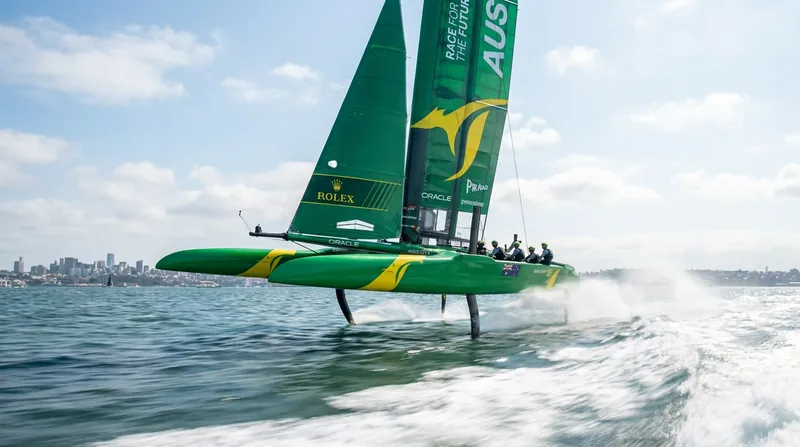
The powerhouse Australian team, the Bonds Flying Roos, also navigated an early-season medical scare when wing trimmer Iain "Goobs" Jensen injured his knee during a late practice gybe in Perth. The injury immediately sidelined Jensen, forcing the defending champions to scramble their roster just hours before the official racing window opened on the Waitematā Harbour.[3]
To fill the critical gap, the Australians flew in America's Cup veteran Glenn Ashby as an emergency super-sub, allowing the team to maintain their tactical composure. Jensen has since made a full recovery and reclaimed his spot on the F50, allowing the Flying Roos to stabilize their campaign and maintain their formidable position at the top of the Season 6 leaderboard as the fleet heads into the summer stretch.[1][3]
Meanwhile, the ROCKWOOL Denmark SailGP team is breathing a collective sigh of relief following a terrifying incident during the Bermuda Sail Grand Prix. Trainee sailor Pearl Lattanzi was thrown overboard during a pre-race warm-up when she was caught off guard by the immense G-forces generated during a sharp turn-up maneuver.[5]
Lattanzi was recovered quickly by the safety boats, suffering bruises and understandable shock but miraculously avoiding any catastrophic trauma. Team management confirmed she is recovering well and will be back on the Danish F50 soon, undeterred in her mission to log the necessary hours to earn her official SailGP racing license.[5]
In the Olympic Formula Kite class, the reigning Olympic Champion from Austria, Valentin Bontus, has successfully completed his own highly anticipated return to top-flight competition. Bontus had missed a significant chunk of the previous season due to a lingering injury, leaving a noticeable void at the front of the fiercely competitive men's kiteboarding fleet.
Bontus made his official comeback at the prestigious Trofeo Princesa Sofía in Palma de Mallorca, the traditional European curtain-raiser for the Olympic classes. His healthy return restores a key rivalry with Singaporean prodigy Max Maeder and Italian standout Riccardo Pianosi, setting the stage for a thrilling battle as the athletes build their campaigns toward the Los Angeles 2028 cycle.
Across all classes and disciplines, the throughline of the 2026 season remains the same: the margins for error are shrinking, and the physical stakes are rising in tandem with the speeds. Yet, as athletes like Boucher, Draper, and Bontus continuously demonstrate, the drive to return to the water and push the limits of the sport consistently outweighs the risks.
Key points
- US sailor Leo Boucher raced the ILCA European Championship with a severe shoulder injury after being hit by a car.
- A recent medical study revealed that SailGP injury rates spike to 26.5 per 1,000 hours during foiling activities.
- Artemis Racing's Chris Draper returned to the water with a protective mask just one day after suffering facial punctures in a crash.
- Austrian Formula Kite Olympic Champion Valentin Bontus successfully returned to competition following a lingering injury.
How we got here
January 2026
Chris Draper and Iain Jensen suffer injuries during bruising SailGP practice sessions in the high winds of Perth.
March 2026
Valentin Bontus makes his highly anticipated return to Formula Kite competition at the Trofeo Princesa Sofía.
May 2026
Trainee sailor Pearl Lattanzi is thrown overboard by extreme G-forces during SailGP Bermuda warm-ups.
June 2026
Leo Boucher is struck by a car in Croatia, suffering a shoulder injury just days before the European Championship.
- Elite Competitors
- Athletes who prioritize maintaining their championship rankings and are willing to adapt their techniques to race through significant pain.
- Medical & Safety Officials
- Professionals focused on the rising statistical injury rates in foiling and the necessity of strict recovery protocols.
- Team Tacticians & Management
- Leadership focused on the logistical nightmare of replacing highly specialized crew members on short notice without losing competitive momentum.
Perspectives this story doesn't cover
- Grassroots sailing instructors managing the trickle-down safety expectations for youth sailors entering high-speed foiling classes.
Sources
Source coverage
5 outlets
3 viewpoints surfaced





- [1]SailGPTeam Tacticians & Management
A game of two halves: the 2026 Season so far
Read on SailGP → - [2]Sail-WorldElite Competitors
SailGP: Artemis Racing crew member Chris Draper injured in training incident
Read on Sail-World → - [3]Boating NZTeam Tacticians & Management
SailGP Perth 2026 season opener brings damage, injuries and early pressure
Read on Boating NZ → - [4]Sports HealthMedical & Safety Officials
Injuries in Sail GP Season 4
Read on Sports Health → - [5]SailGP BroadcastTeam Tacticians & Management
SailGP Bermuda 2026: Day 1 Racing and Incident Reports
More in Sports
See all →Injury
SailGP Fleet Heals: France Reunites Full Crew as Black Foils Press Forward After Auckland Crash
6 sources
Standings
Spain's Los Gallos Claim Back-to-Back SailGP Victories, Narrowing Australia's Championship Lead
3 sources
Injury
SailGP Injury Report: Sinclair Begins Recovery as Fleet Confronts the Physical Toll of Foiling
3 sources
Injury
SailGP Injury Report: Jensen Returns to Australian Lineup as Ashby Suffers Setback
4 sources
Comments
Every angle. Every day.
Get Sports stories with full source coverage and perspective breakdowns, free every day.