
FIDE Suspends Former World Champion Vladimir Kramnik Over Cheating Accusations
The International Chess Federation (FIDE) has suspended former World Champion Vladimir Kramnik for at least a year following his repeated, unsubstantiated cheating allegations against fellow grandmasters. The unprecedented ruling against a former titleholder marks a major escalation in chess's ongoing struggle to police online play and public conduct.

Share this story
The International Chess Federation (FIDE) has handed down a landmark suspension to former World Champion Vladimir Kramnik, banning him from all FIDE-rated events for at least one year. The ruling, issued by the FIDE Ethics and Disciplinary Commission, stems from Kramnik's persistent and public accusations of cheating against numerous top-level players, which the commission deemed unsubstantiated and damaging to the sport's reputation.[1][2][3]
Kramnik, who held the classical World Championship title from 2000 to 2007, has become increasingly vocal in recent years regarding his suspicions of foul play in online chess. His allegations have primarily targeted younger grandmasters who have achieved rapid rating gains or exceptional results in online tournaments, often relying on statistical anomalies he claims to have identified in their play.[1][2]
The FIDE Ethics Commission's decision focused not on whether cheating occurred, but on Kramnik's method of addressing his concerns. The commission found that Kramnik bypassed established channels for reporting suspected cheating, instead opting to broadcast his accusations on social media and streaming platforms. This public airing of grievances, the commission concluded, violated FIDE's Code of Ethics by baselessly impugning the integrity of fellow competitors.[2][3]
The suspension marks a significant escalation in FIDE's efforts to maintain decorum and protect players from unfounded allegations in an era where online play has blurred the lines of traditional chess etiquette. While FIDE has previously sanctioned players for cheating, penalizing a former World Champion for making unsubstantiated claims is an unprecedented move that underscores the governing body's commitment to due process.[1][4]
The controversy surrounding Kramnik's accusations highlights the complex challenge of policing online chess, where the absence of physical arbiters and the potential use of powerful chess engines create an environment ripe for suspicion. Major online platforms employ sophisticated algorithms and statistical analysis to detect cheating, but these methods are often opaque to players, leading to skepticism and independent investigations by figures like Kramnik.[1][4]
Kramnik's supporters argue that his stature and experience lend weight to his concerns, and that his willingness to speak out is necessary to protect the integrity of the game. They contend that the statistical anomalies he has highlighted warrant serious investigation, and that FIDE's suspension is a heavy-handed attempt to silence a prominent critic.[2][4]
However, many within the chess community have condemned Kramnik's actions, arguing that his public accusations create a toxic atmosphere and unfairly damage the reputations of young players. They emphasize that statistical analysis alone is rarely sufficient to prove cheating, and that allegations must be supported by concrete evidence and handled through proper channels.[1][2]
The FIDE ruling specifies that Kramnik's suspension will remain in effect for a minimum of one year, after which he may apply for reinstatement. The commission also mandated that Kramnik issue a public apology and refrain from making further unsubstantiated allegations. It remains unclear whether Kramnik will comply with these conditions or appeal the decision.[3]
The long-term impact of this suspension on Kramnik's legacy and the broader chess landscape remains to be seen. While it serves as a stark warning against reckless accusations, it also underscores the urgent need for transparent and robust anti-cheating measures that can satisfy both the governing bodies and the players themselves.[4]
The essentials
- FIDE has suspended former World Champion Vladimir Kramnik for at least one year.
- The suspension is due to Kramnik's repeated, unsubstantiated public accusations of cheating against other players.
- The FIDE Ethics Commission ruled that his actions violated the Code of Ethics and damaged the sport's reputation.
- Kramnik must issue a public apology and refrain from further baseless allegations to be considered for reinstatement.
Timeline
2000-2007
Vladimir Kramnik holds the classical World Chess Championship title.
Recent Years
Kramnik increasingly voices suspicions of cheating in online chess, targeting specific players with statistical arguments.
July 2026
The FIDE Ethics Commission suspends Kramnik for at least one year for making unsubstantiated public accusations.
- FIDE Ethics Commission
- Argues that Kramnik's public, unsubstantiated accusations violate the Code of Ethics and damage the sport's reputation, necessitating a severe penalty to deter future misconduct.
- Online Chess Platforms
- Emphasize the effectiveness of their proprietary anti-cheating algorithms and condemn independent, statistically flawed accusations that undermine trust in their systems.
- Traditionalist Skeptics
- Share Kramnik's concerns about the prevalence of cheating in online chess and believe that statistical anomalies warrant serious investigation, even if the methods of raising those concerns are controversial.
Perspectives this story doesn't cover
- The specific players accused by Kramnik
- Independent statisticians analyzing Kramnik's claims
Sources
Source coverage
4 outlets
3 viewpoints surfaced




- [1]Chess.comOnline Chess Platforms
FIDE Suspends Former World Champion Vladimir Kramnik
Read on Chess.com → - [2]The GuardianTraditionalist Skeptics
San Francisco archdiocese to pay $395m to settle over 500 child sexual abuse claims
Read on The Guardian → - [3]FIDE OfficialFIDE Ethics Commission
FIDE Ethics Commission ruling on Vladimir Kramnik
Read on FIDE Official → - [4]Factlen Editorial Team
Synthesis by Factlen editorial team
Read on Factlen Editorial Team →

More in Sports
See all →Injury
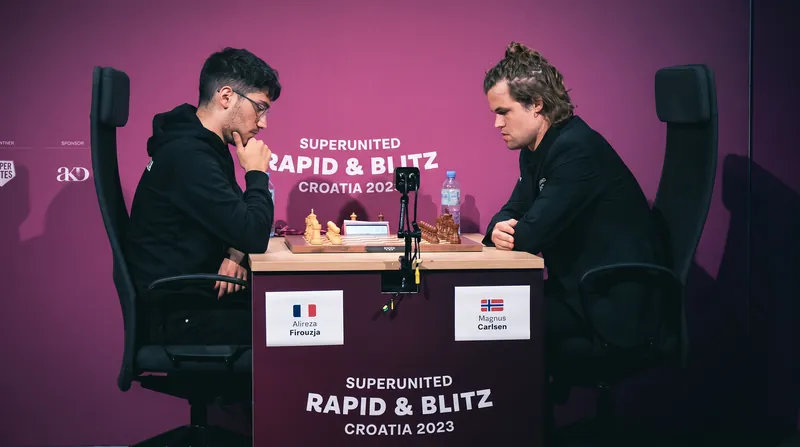
Chess Medical Report: Firouzja's Ankle Injury and the Grand Chess Tour's Wave of Withdrawals
5 sources
Standings
FIDE Circuit Standings: Sindarov Overtakes Abdusattorov as Firouzja Surges Into Top 10
6 sources

Injury
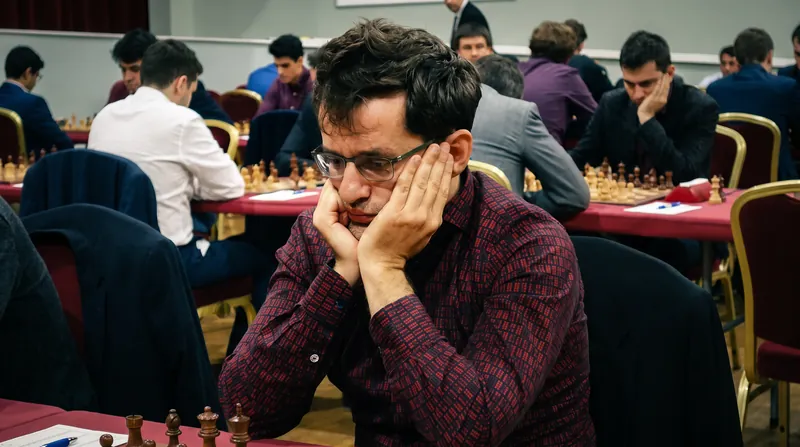
Levon Aronian Returns to the Board at Saint Louis Following Pneumonia Recovery
7 sources
Standings
August 2026 FIDE Ratings: 15-Year-Old Erdoğmuş Claims Junior No. 1 as Firouzja Returns to Top 10
7 sources

Comments
Every angle. Every day.
Get Sports stories with full source coverage and perspective breakdowns, free every day.