
BWF Injury Report: M. Thinaah Prioritizes Partner Pearly Tan's Health Ahead of Japan Open
As Malaysian badminton star Pearly Tan manages an ankle issue ahead of the Japan Open, her doubles partner M. Thinaah is publicly championing a health-first approach to her recovery.

Share this story
The grueling, relentless pace of the BWF World Tour often tempts elite athletes to rush their recovery timelines, risking long-term damage for the sake of immediate ranking points. However, Malaysian women's doubles star M. Thinaah is publicly championing a refreshingly different and highly supportive approach.
As her partner Pearly Tan manages a frustrating ankle issue ahead of the highly anticipated Japan Open, Thinaah has delivered a clear, unwavering message to both her teammate and the broader badminton community: health must always come first. In a highly competitive environment where the pressure to perform is immense, Thinaah's vocal advocacy for patience and complete rehabilitation stands out as a testament to the strength of their partnership and a positive shift in modern sports culture.
The dynamic duo, who captured the attention of the badminton world by reaching the finals of last year's Japan Open, are currently navigating a delicate and uncertain preparation period for the 2026 edition, which is scheduled to take place from July 14 to 19.
While the external pressure to defend their finalist points and maintain their elite world ranking is undoubtedly immense, Thinaah has actively worked to remove the burden of a rushed timeline from her partner's shoulders. By publicly stating that there is no expectation for an immediate return, she has provided Tan with the psychological space necessary to focus entirely on her physical healing, rather than the looming dates on the tournament calendar.[2]
Speaking candidly at a recent Yonex product launch event in Shanghai, Thinaah emphasized that her primary role right now extends far beyond on-court tactics; it is to provide unwavering emotional and professional support.
"She is a hardworking player and I always tell her that health comes first before anything else," Thinaah stated firmly to the press, noting that she has never pressured Tan to accelerate her rehabilitation process. This profound level of mutual respect highlights the deep bond required to succeed in elite doubles play, where trust and communication are just as critical as technical skill and physical endurance.
To accommodate Tan's ongoing recovery while ensuring she maintains her competitive edge, the Badminton Association of Malaysia has implemented innovative and adaptive training methods at their national facility. National doubles coaching director Rexy Mainaky revealed that Tan has been actively participating in court sessions while seated on a specialized training chair. This highly targeted drill is specifically designed to allow her to maintain her upper-body reflexes, swing speed, and hand-eye coordination without bearing any weight on her compromised lower body, effectively bridging the gap between rehabilitation and active practice.
"I deliberately asked her to sit down and only work on her upper body because she was feeling a bit of discomfort in her ankle," Mainaky explained when discussing the modified training regimen. This cautious, highly tailored approach highlights a growing institutional awareness of player welfare within the Malaysian setup.
By keeping the athlete engaged in the sport's mechanics while strictly protecting the injured area, the coaching staff ensures that minor discomforts do not escalate into career-threatening structural injuries, reflecting a sophisticated understanding of modern sports science and long-term athletic development.
Tan's current ankle discomfort follows a particularly challenging and physically demanding start to the 2026 season, which was heavily disrupted by a completely separate injury. Earlier this year, a severe back muscle tear forced the standout player to make the heartbreaking decision to withdraw from the prestigious Uber Cup Finals in Denmark. That withdrawal was not made lightly; it came only after extensive consultations with the national medical staff and her family, all of whom recognized the severe risks associated with playing through complex spinal and muscular trauma.
The back injury brought back incredibly difficult memories for Tan, who suffered a similarly severe and career-threatening setback three years prior. Acknowledging the extreme complexity and inherent dangers of spinal and core injuries compared to standard joint sprains, she opted for a highly conservative rehabilitation process. This cautious strategy meant she had to miss not only the Uber Cup but also the subsequent Malaysia Masters, a beloved home tournament where the pair had been expected to lead the host nation's campaign in front of a passionate local crowd.[1]
During that extended period of rehabilitation, Tan openly discussed the heavy emotional toll of sitting out major team events, admitting to the press that the agonizing decision had caused her several sleepless nights. However, she ultimately recognized that forcing a premature return to the court could jeopardize her entire professional future. That hard-won realization regarding her back injury has clearly informed her current, mature approach to managing her ankle discomfort, proving that she has learned to listen to her body and prioritize longevity over the immediate thrill of competition.[1]
Despite the early-season setbacks, Tan and Thinaah did manage to make a brief and highly anticipated return to the international circuit in late May and early June, competing in both the Singapore Open and the Indonesian Open. While they faced early exits in those tournaments as they worked diligently to shake off the competitive rust and regain their match rhythm, their mere presence on the court was a highly promising sign. It demonstrated that Tan's underlying structural recovery was progressing well, even if her match fitness required further refinement.
Now, as the prestigious Japan Open looms on the horizon, the pair's collective focus has decisively shifted from immediate tournament results to long-term athletic sustainability. Thinaah's vocal and public advocacy for her partner's well-being reflects a deeply rooted partnership that extends far beyond the physical boundaries of the badminton court. It is a powerful reminder that behind the intense rallies and the pursuit of medals, these athletes are human beings who rely on profound mutual support to navigate the extreme physical and mental demands of their chosen profession.
This supportive and patient dynamic is becoming increasingly vital in modern badminton, where the relentless, globe-trotting tournament calendar leaves athletes with remarkably little room for natural physical recovery. By publicly prioritizing health over the frantic chase for ranking points, Thinaah and the Malaysian national coaching staff are setting a highly positive precedent. They are demonstrating to younger players and rival federations alike that elite programs can—and should—manage their top-tier talent with compassion, foresight, and a strict adherence to medical best practices.
By publicly prioritizing health over the frantic chase for ranking points, Thinaah and the Malaysian national coaching staff are setting a highly positive precedent.
Whether Tan is ultimately cleared by the medical team to compete under the bright lights in Tokyo, or the pair decides to extend her rehabilitation period further into the summer, their unified front remains their absolute greatest asset.
As Thinaah eloquently summarized, the ultimate goal is not simply to rush back to the court for a single event, but to return fundamentally stronger. By taking the time to heal properly now, they are ensuring that their world-class partnership can endure the grueling rigors of the sport for many successful years to come.[1]
Key points
- M. Thinaah has publicly urged her doubles partner Pearly Tan to prioritize her recovery over rushing back for the Japan Open.
- Tan is currently utilizing adaptive training methods, practicing while seated to protect an ankle issue.
- The cautious approach follows a challenging season for Tan, who missed the Uber Cup earlier this year due to a back muscle tear.
- National coaching staff are fully supporting the health-first strategy, emphasizing long-term career sustainability.
How we got here
April 2026
Pearly Tan withdraws from the Uber Cup Finals due to a severe back muscle tear.
May 2026
Tan misses the Malaysia Masters to continue her conservative rehabilitation process.
June 2026
The duo makes a brief return to competition at the Singapore and Indonesian Opens.
July 2026
Managing a new ankle issue, Tan adopts seated training as Thinaah advocates for a health-first approach.
- Player Welfare Advocates
- Emphasize that long-term health and complete rehabilitation must take precedence over tournament schedules.
- National Team Management
- Focus on balancing tournament readiness with medical caution, employing adaptive training methods to keep players engaged safely.
- Competitive Analysts
- Monitor how injury absences impact world rankings, Olympic qualification cycles, and tournament seeding.
Perspectives this story doesn't cover
- Sports Psychologists
- Tournament Organizers
Sources
Source coverage
2 outlets
3 viewpoints surfaced


- [1]The SunNational Team Management
Pearly Tan targets a comeback at the Malaysia Masters after recovering from a back muscle tear
Read on The Sun → - [2]BWF World TourCompetitive Analysts
BWF World Tour Calendar 2026
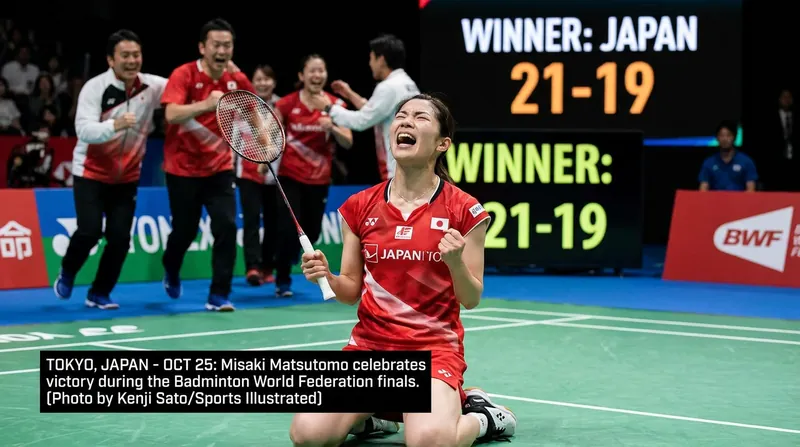
More in Sports
See all →Standings
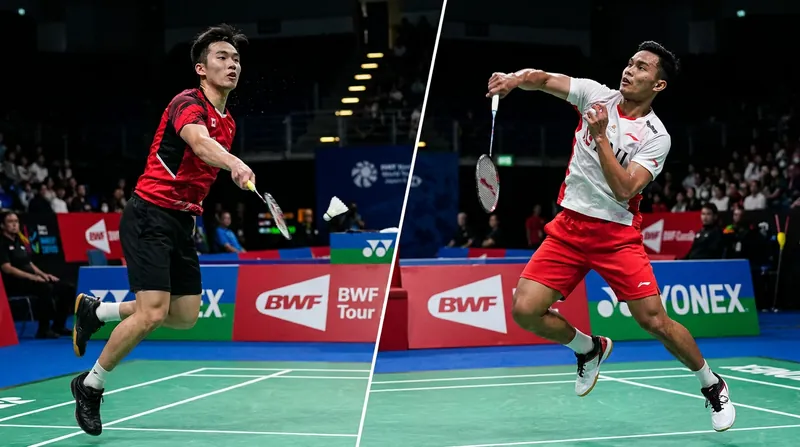
Victor Lai and Alwi Farhan Crack Top 10 in Latest BWF Men's Singles Standings
6 sources
Standings
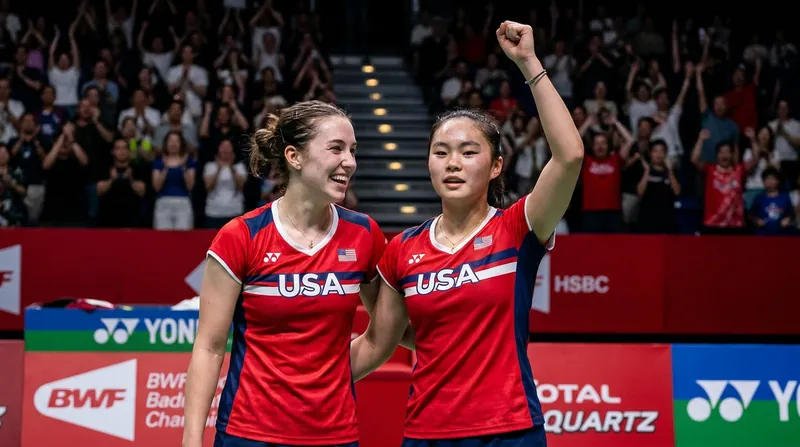
USA Badminton Pairs Surge in BWF Race to Finals Standings Following Historic Japan Open Quarterfinal Runs
4 sources
Injury
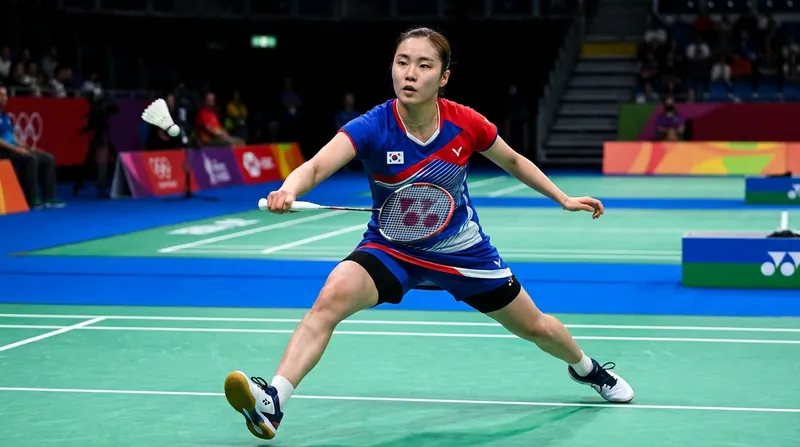
BWF Injury Report: An Se-young's Precautionary Japan Open Withdrawal Highlights Shift Toward Long-Term Health
6 sources
Standings
Yudai Okimoto and Japanese Contingent Surge in BWF Race to Finals Standings Following North American Sweep
6 sources
Comments
Every angle. Every day.
Get Sports stories with full source coverage and perspective breakdowns, free every day.